Nas Daily’s Nas.com raises $27M to turn anyone into a one-person brand with AI
Funding and the founder’s pivot
It has been reported that Nuseir Yassin — better known as content creator Nas Daily — raised $27 million in a Series A led by Khosla Ventures to scale Nas.com, his new AI platform for solo entrepreneurs. Yassin, who left a full-time job in 2016 to make short, high-energy videos and built roughly 70 million followers, says that chapter is closing; his next act is about enabling entrepreneurship on the internet. The emotional pitch is simple and human: Nas.com exists to help the “mom in Wisconsin” who would otherwise never wrestle with Meta Business Suite, he says. Big promise. Big pivot.
What the product actually does
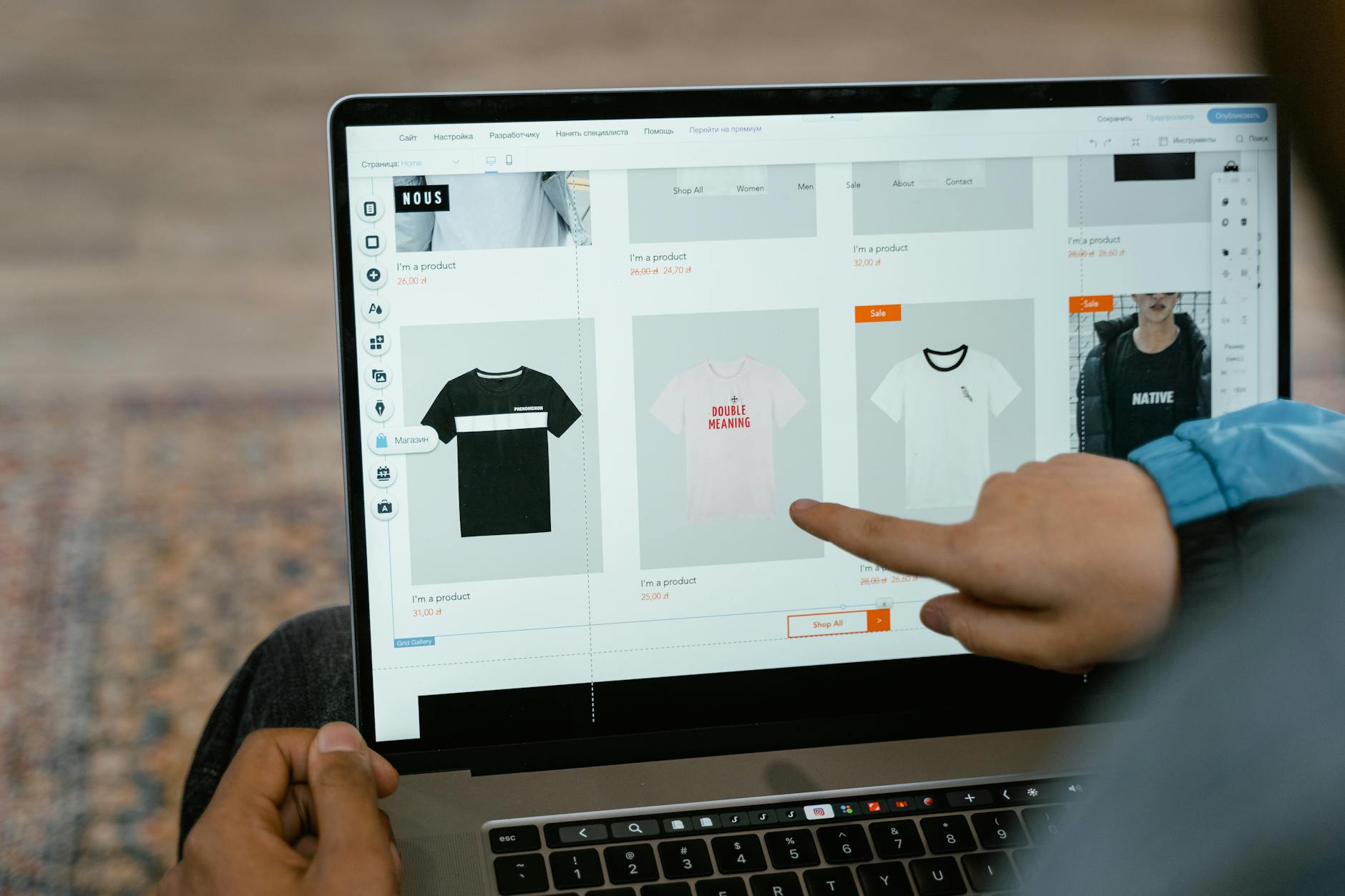
The platform asks users to snap a photo of a product — a T‑shirt, say — and then spins up a full storefront: logos, product descriptions, branding, even ad copy. Users can tweak the AI outputs, or generate plain-English ad campaigns and run them on Facebook through the platform. It has been reported that Nas.com now hosts more than 350,000 businesses, that 3.5 million people have bought products from its merchants, and that annual recurring revenue jumped from $1 million to $8 million in 2025. Pricing starts at $6 a month, plus a 5% cut of marketing spend made through the service, it has been reported.
Competition, investors, and what’s next
Nas.com is entering an already crowded space — think Shopify, Etsy, every no‑code storefront tool in between — but Yassin argues simplicity and AI-first automation can win where incumbents are too cautious to overhaul familiar feature sets. The round included investors such as 500 Global and angels like Tim Ferriss, Stanley Tang, and Shuo Wang, it has been reported, and Vinod Khosla framed the bet as one that “could not have existed five years ago” and will be inevitable soon. The startup plans to use the capital to grow a roughly 30-person team, speed product development, and expand — essentially trying to turn the mass-creator era into a mass-entrepreneur era. Will it democratize commerce or just create more micro‑stores in a noisy marketplace? Stay tuned.
Sources: businessinsider.com
Comments