Voice actors mobilize worldwide to defend livelihoods and “voice” as studios push AI dubbing
What’s happening
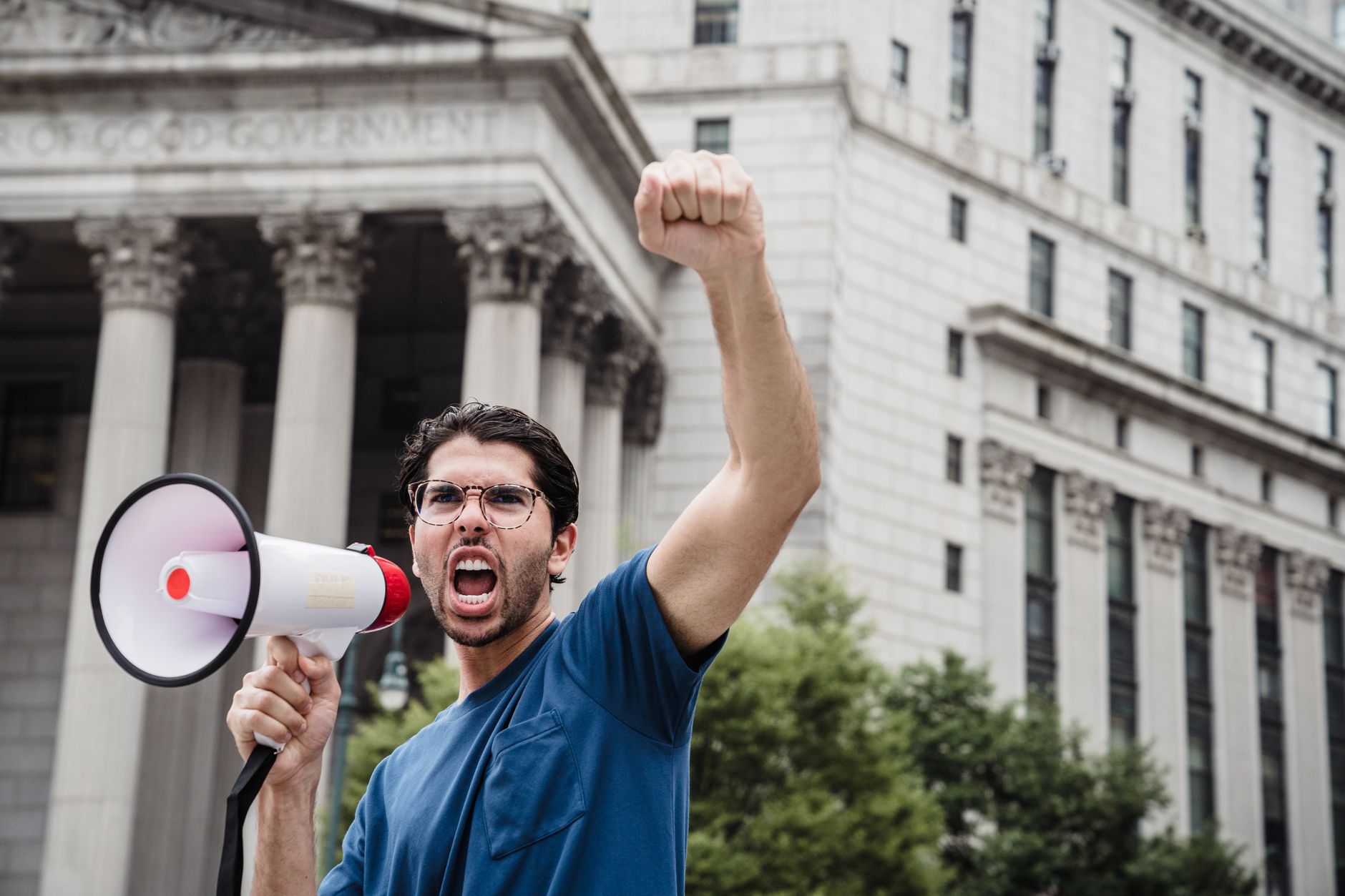
It has been reported that Hollywood studios are increasingly experimenting with AI dubbing tools that can generate localized speech without hiring local performers. The promise is tempting: faster turnaround, lower costs, and the ability to clone a single performance across dozens of languages. Voice actors around the globe have pushed back, staging coordinated campaigns, demanding contract protections, and warning that automated dubbing could hollow out an industry built on human nuance and personality.
What’s at stake
Who owns a voice? That’s the emotional heart of the fight. Actors say this is about more than paychecks — it’s about personality rights, consent, and cultural authenticity. It has been reported that some performers allege studios are moving toward AI replacements or licensing voice models without clear disclosure; such claims are being described as a threat to both livelihoods and the creative labor that localizes media. The industry’s tug-of-war pits shareholder spreadsheets against artists’ livelihoods, and the stakes feel existential for many performers.
The wider angle and next steps
Unions, guilds, and grassroots groups are pushing for transparency, specific contract language, and regulatory guardrails — think: explicit consent, fair compensation, and limits on how voice likenesses are used. Meanwhile, studios argue AI dubbing can expand reach and reduce barriers to distribution. Expect legal fights, bargaining-table showdowns, and new policy proposals. Cultural touchstones matter here too: after all, a line read by a human can carry a thousand subtexts that an algorithm might flatten. The next few months could set a precedent for how creative labor is valued in the age of synthetic media.
Sources: restofworld.org
Comments