How Quince built a $10B+ fashion empire by marrying data and factory friendships
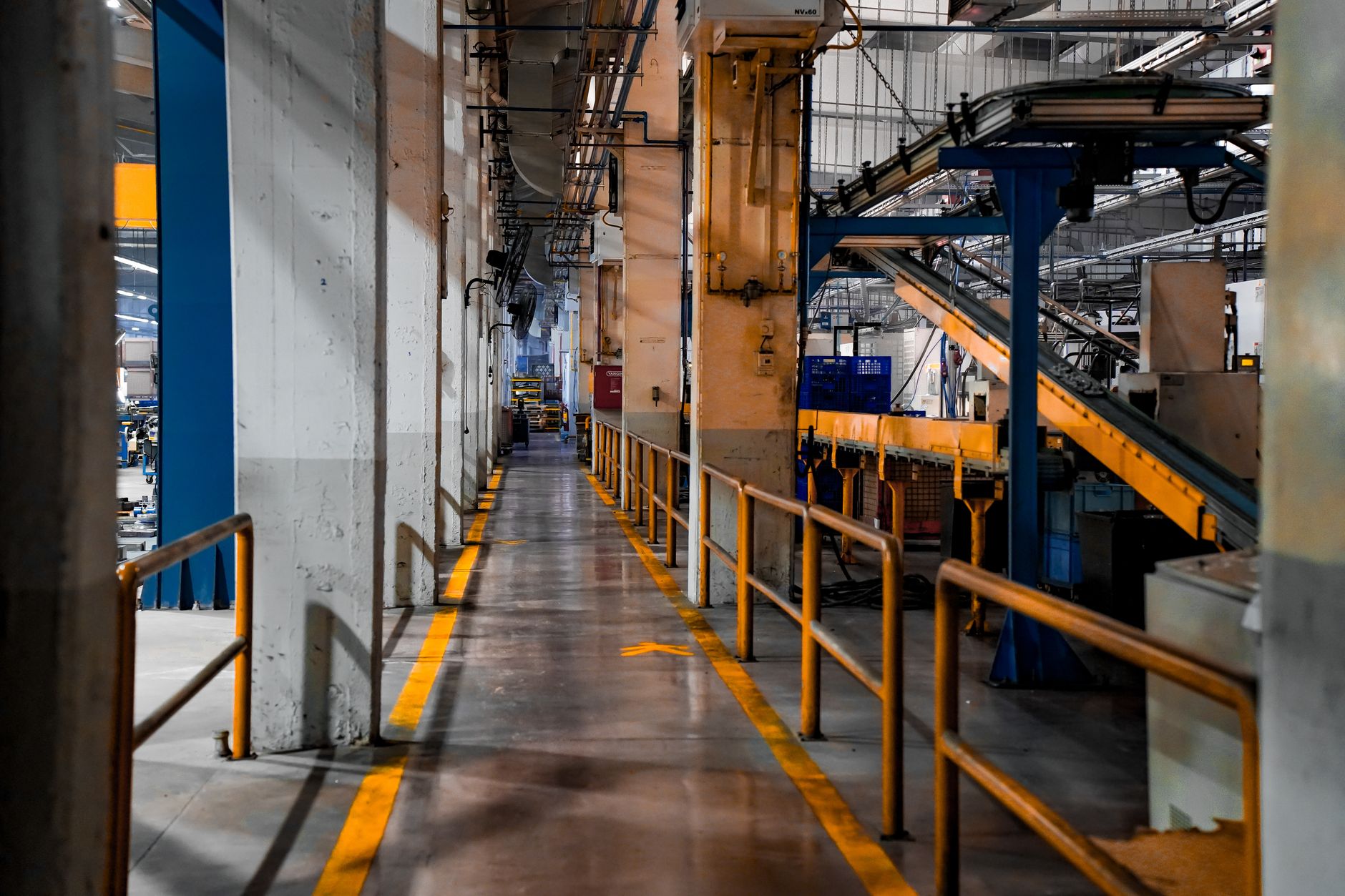
Quince has quietly become a DTC darling. It has been reported that the online luxury brand — selling everything from cashmere sweaters to sofas — is now valued at more than $10 billion. The pitch is simple and irresistible: high-end materials, low prices, and a brand-forward storefront. Consumers win. Competitors squirm.
How they do it
It has been reported that Quince leans heavily on data analysis to decide what to make and when to make it — fewer guesses, fewer markdowns. Equally crucial: close, sometimes exclusive, relationships with manufacturers. By contracting directly with factories, committing to larger volumes, and trimming middlemen, the company reportedly locks in lower unit costs and tighter quality control. The result? Products that look and feel premium but are priced like everyday staples. Smart, but not magic.
Why it matters
This model plugs neatly into a larger trend: digitally native brands scaling through vertical integration and supply-chain know-how rather than flashy ad budgets alone. Investors have chased it hard. It has been reported that the valuation reflects both growth and faith that Quince can sustain margins against fast-fashion giants and luxury incumbents alike. The emotional core is obvious — shoppers want luxe without the sticker shock — and Quince's strategy gives them that thrill.
Is this the future of retail? Maybe. Or maybe it’s just the next chapter in a long playbook: data, scale, and supplier leverage win out. Either way, one lesson is clear: the brand that knows its numbers and its factories will be the one shaping prices — and expectations — for everyone else.
Sources: bloomberg.com
Comments