Cisco’s Chuck Robbins on data centers in space, an AI bubble, and AI writing Cisco code
The conversation
Chuck Robbins, CEO of Cisco, sat down with Nilay Patel on The Verge’s Decoder to talk about the future of infrastructure — and it was frank. Cisco, the plumbing behind much of the internet, is squarely in the middle of debates over where data lives, how much power it should use, and who gets to build the next wave of AI-capable data centers. Robbins navigated questions about chip strategy, a global memory shortage, layoffs, and whether AI is already shaping Cisco’s own engineering work.
Data centers, orbit, and supply chains
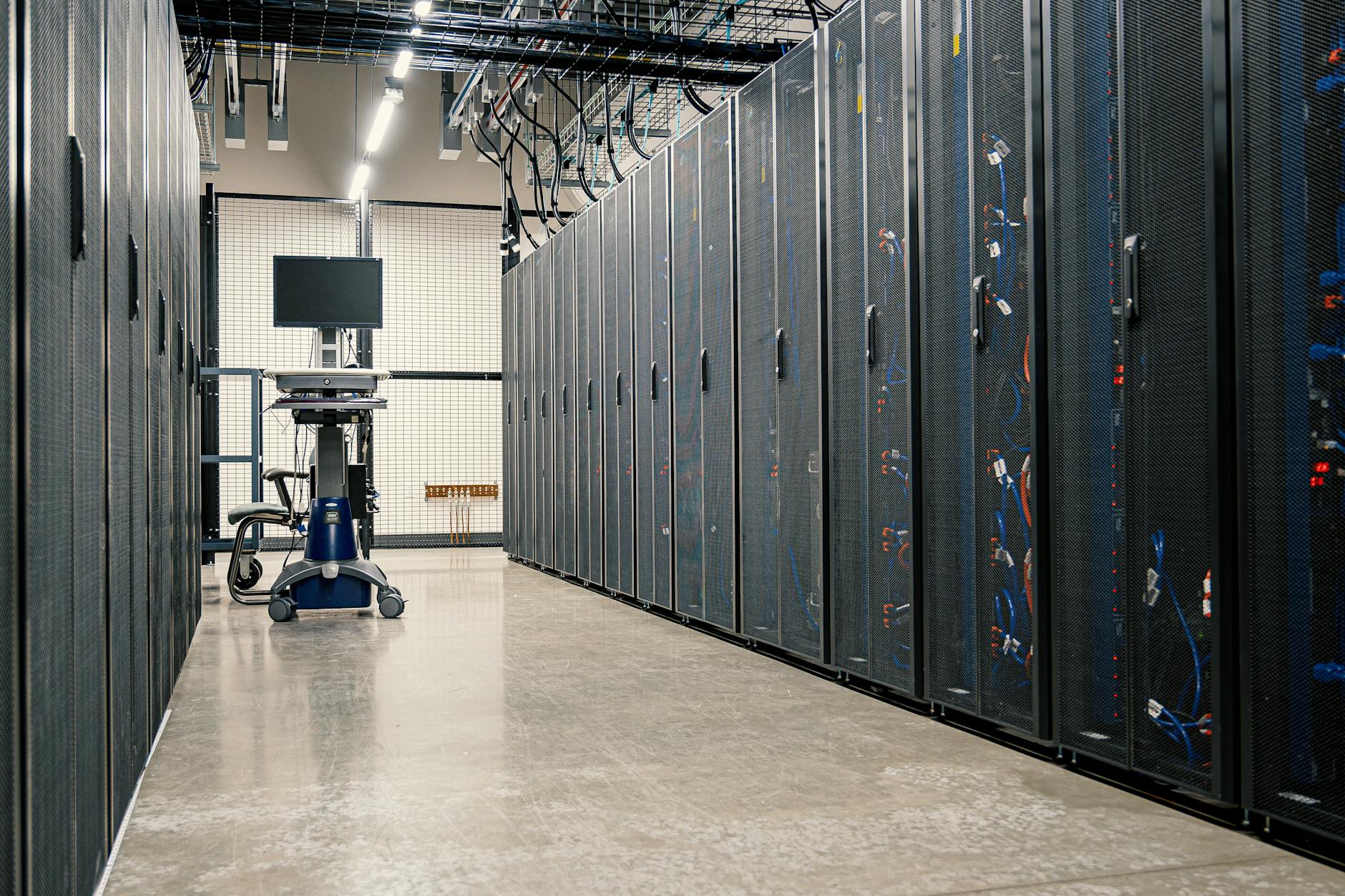
Data centers on Earth are unpopular neighbors: noisy, power-hungry, and politically contentious. Data centers in space? It has been reported that Elon Musk is pushing SpaceX toward that vision, while others — including engineers and industry leaders — say cooling, radiation, and economics make it premature. Robbins answered the space question quickly and emphatically on the podcast; he also dove into practical problems closer to home, highlighting chip investments Cisco has made to stay “leading edge — not bleeding edge,” and discussing how a global memory shortage is complicating equipment rollouts.
AI, the bubble, and the emotional moment
Here’s the headline-grabber: Robbins told Patel he thinks AI is a bubble. Short and blunt. He’s no stranger to tech bubbles — Cisco itself once briefly topped the market during the dot-com boom — and that history shaped his skepticism. At the same time, he described real, immediate uses of AI inside Cisco, including tooling that helps write code. So it’s complicated: he sees hype and structural fragility, yet the technology is already changing how his company engineers its products.
Why it matters
This isn’t just corporate theater. The stakes are national, economic, and environmental: where we build compute affects communities, grids, and geopolitics. Robbins’ mix of caution about hype, investment in chips, and willingness to use AI tools internally gives a useful snapshot of how a legacy infrastructure giant is trying to pivot without getting swept up in the frenzy. Question is: can the industry balance realism with urgency — or will the next big build end up chasing a mirage?
Sources: theverge.com
Comments