Memory shortage set to linger until 2027 as DRAM makers chase AI demand
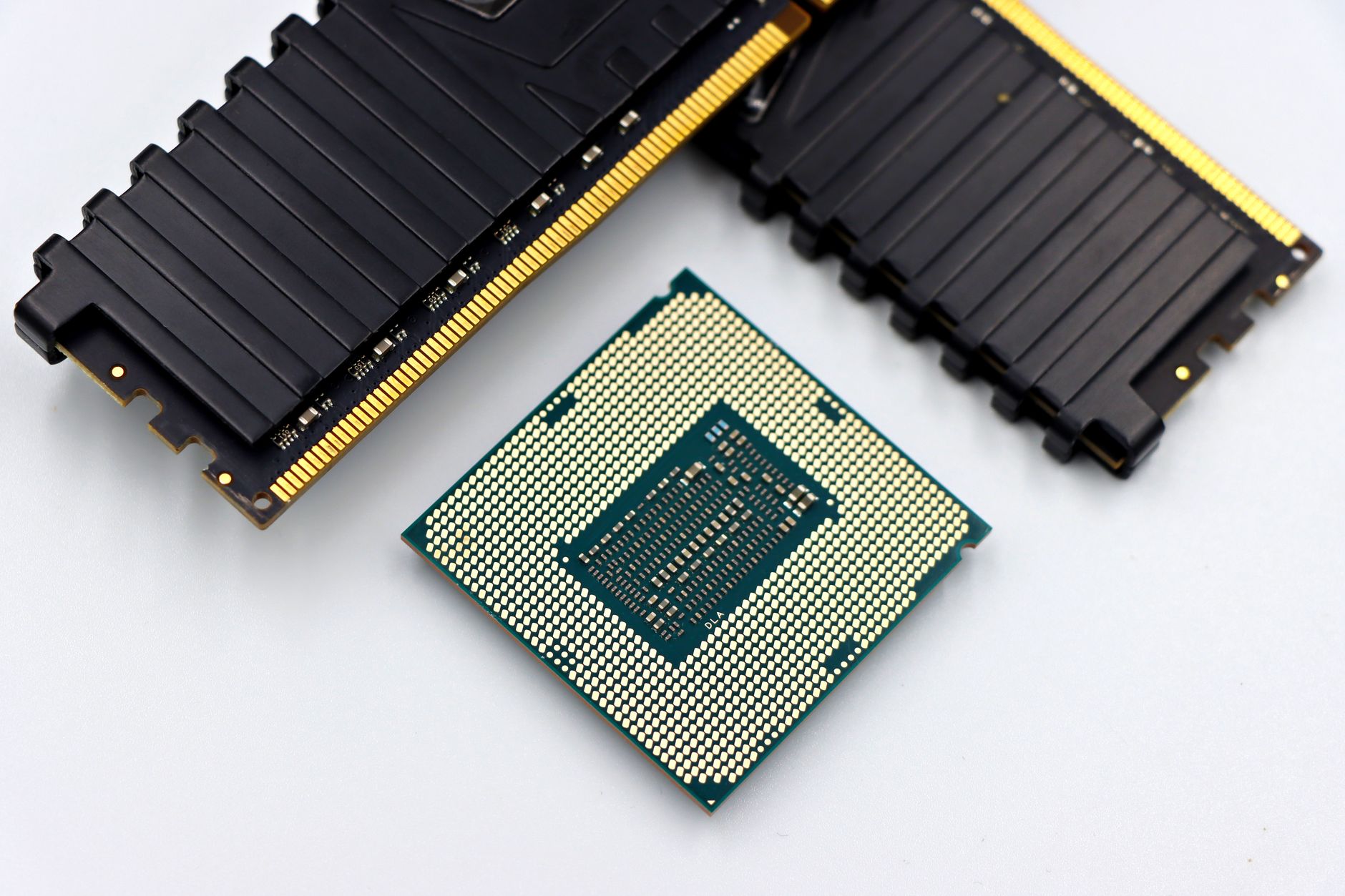
it has been reported that global DRAM supply will meet only about 60% of demand through 2027, leaving a sizable shortfall as smartphone makers and other device manufacturers scramble for parts. Samsung, SK Hynix and Micron are pouring money into capacity expansion, but production hikes take time. Top suppliers are allegedly prioritizing high-end memory chips for AI servers and data centers, not the commodity DRAM that powers budget phones.
Why supply can’t catch up fast enough
Building memory fabs isn't like flipping a switch. New lines take months to qualify, yields must be tuned, and the most lucrative contracts today are for HBM and other advanced memory used in AI accelerators — high margins, high priority. The mismatch is stark: demand is surging across multiple markets while manufacturers tilt investments toward where the money is. So yes, companies are adding capacity. But added capacity often lands late in the game.
Pain at the low end — and for consumers
it has been reported that memory could account for roughly 40% of a low-end smartphone’s manufacturing cost by mid-2026, up from about 20% now. That’s a brutal squeeze on OEM margins and a clear signal that entry-level phones will feel more expensive. Who pays? Usually the buyer. If history is any guide — think back to the COVID-era component crunch — price increases and tighter inventories follow. Consumers and smaller brands should brace for sticker shock.
Sources: asia.nikkei.com
Comments