South Korea rolls out ChatGPT-enabled care robots as population ages
Rollout and scale
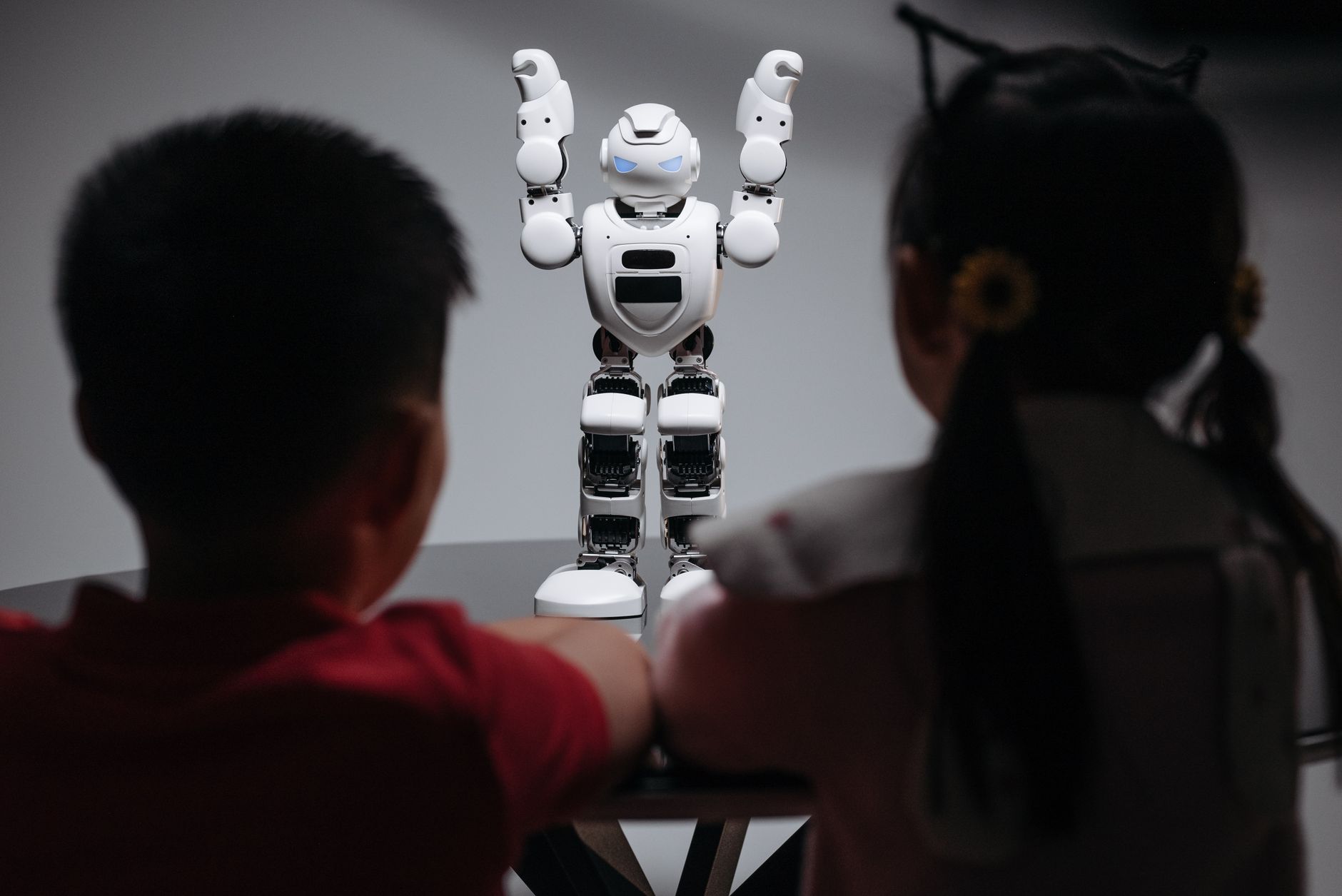
It has been reported that South Korea is deploying thousands of ChatGPT-enabled social care robots to assist elderly people across the country. The move comes as over-65s now account for roughly 20% of the nation's 51 million population — an ageing curve that has pushed policymakers and companies to look for high-tech solutions. Think of it as a hedge against a shrinking workforce and an overstretched social-care system.
Why now?
Why start now? Simple: demand. Fewer young people, more seniors, and the rising cost of traditional care. Robots can remind people to take medicine, offer conversation, and free up human carers for tasks that truly need a warm human touch. It has been reported that officials hope the machines will reduce loneliness and ease pressure on families — allegedly shortening waiting lists and trimming costs in the process.
The human side and the caveats
There’s an emotional chord here. Many elderly people live alone; a friendly voice can be a lifeline. But will algorithmic companionship fill the gap? Skeptics point to privacy concerns, data security, and the risk of substituting gadgetry for genuine human contact. Think Japan’s decades-long flirtation with eldercare robots — promising, controversial, and not a silver bullet.
What comes next
Expect more pilots, more debate, and more headlines. This is part of a wider trend: aging societies leaning into AI and robotics to shoulder social burdens. The real test won’t be whether a robot can recite a poem or dispense pills — it will be whether technology can preserve dignity, not just efficiency. Can code replace a caring hand? That’s the question policymakers, families and engineers will have to answer together.
Sources: ft.com
Comments