Peace President's Iran war piles more pain on already battered PC market
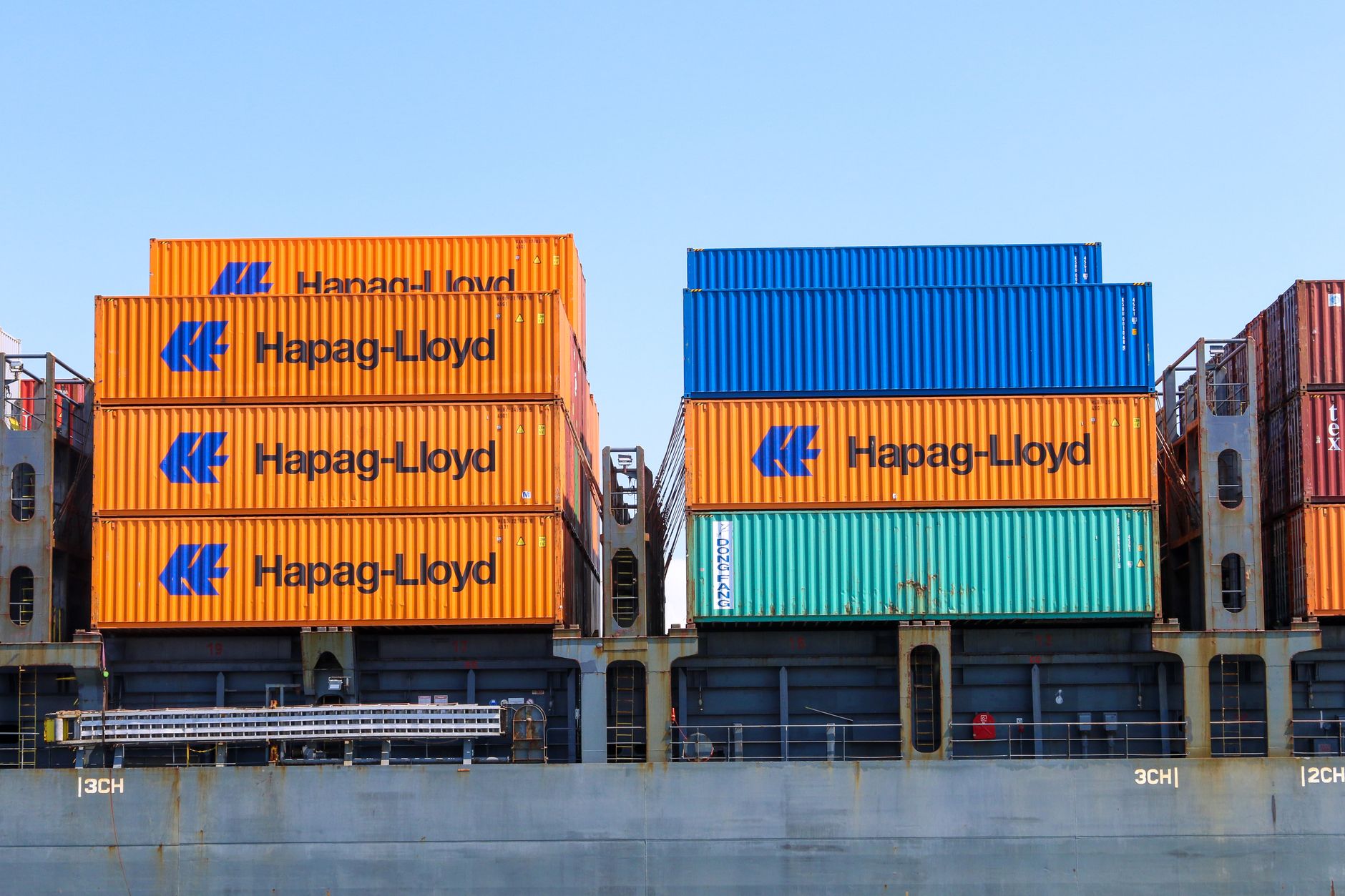
The new twist: freight, fuel and fear
It has been reported that America's war with Iran is jacking up pressure on an already fragile PC market, injecting fresh volatility into global logistics and driving up costs for vendors and buyers alike. IDC's Isaac Ngatia warns that sea corridors linking Asia and EMEA are being disrupted while a shift to air freight is making transportation far more expensive — premiums that are, unsurprisingly, trickling down the chain. It has also been reported that President Trump's 2025 tariff moves further destabilised the industry, leaving margins paper-thin and supply lines twitchy.
Components pinch and shipment blips
Memory costs were already soaring; analysts say DRAM and NAND prices have doubled or quadrupled in some segments, and it has been reported that those prices could increase by another 130 percent by the end of 2026. That expectation prompted a Q1 buying rush — IDC put shipments up 2.5% to 65.6 million units, while Omdia recorded a 3% rise to 64.8 million — as vendors and corporate buyers pulled orders forward. But forecasters from Omdia and IDC agree: Q1 is likely the high-water mark. With memory, storage and even CPUs (Intel and AMD are eyeing 10–25% price rises) squeezing margins, the trend points down for the rest of the year.
Why it matters: cheap PCs on life support
The human bit? Entry-level systems — the cheap Chromebooks and $300–$500 laptops families, students and small businesses rely on — are at risk of extinction. It has been reported that memory now makes up a larger share of the bill of materials, leaving builders unable to absorb further hikes without passing costs on to consumers. So what do you do when the bargain bin disappears? You tighten your belt, or you delay purchases — which only makes the market gloomier. Either way, buyers should brace for higher prices and less choice as freight, insurance and component shocks do their slow, painful work.
Sources: The Register
Comments