Microsoft hints at bit bunkers for war zones
Rewriting the blueprint
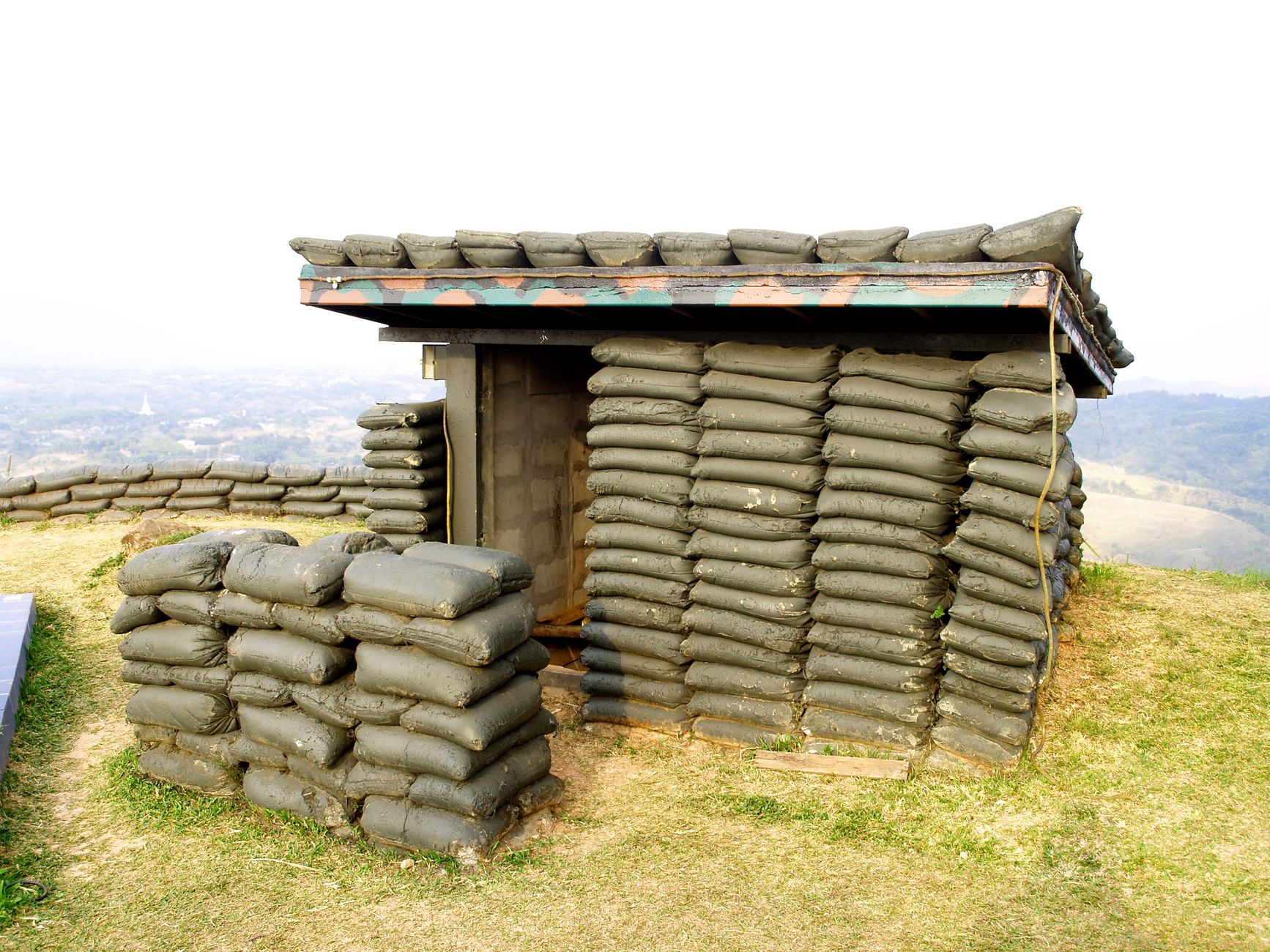
Microsoft's president Brad Smith told Nikkei Asia the company is rethinking how it designs datacenters in areas at risk of kinetic attack. It has been reported that Iran began targeting datacenters in the Middle East after US military action, and Smith said those strikes "will have some influence over time on the design and construction of datacenters and it may not be the same everywhere." Armored datacenters? Bit bunkers? The imagery writes itself.
Civilian infrastructure in the crosshairs
Smith also urged "strong international rules to promote the protection of civilian infrastructure," arguing datacenters should be included. This is the emotional core: infrastructure we treat as neutral — the cloud, your photos, payroll systems — suddenly feels fragile. Who protects the pipes and the servers when geopolitics gets personal? And who pays for the fallout?
Regional reality and alleged strikes
Microsoft already runs facilities in the UAE, Qatar and Israel, and plans operations in Saudi Arabia — all within striking distance of Iran. It has been reported that Iranian strikes hit datacenters in the UAE and Bahrain, and Iranian state media allegedly justified the attacks by claiming some facilities supported US military or intelligence operations. Iran has also reportedly threatened OpenAI's Stargate datacenters in the UAE. Microsoft says it has yet to suffer kinetic hits to its infrastructure.
The broader consequences
Hardening datacenters is not just a construction problem; it's a legal, political and commercial one. Expect higher costs, tighter location choices, and a push for new international norms — think Geneva-style protections for servers rather than soldiers. Could we be entering a post-Cold War datacenter arms race? It sounds like science fiction, but the bills will arrive in real dollars. The cloud may stay pervasive, but it might also get a little heavier.
Sources: The Register
Comments