Artemis II snaps eclipse, Earthset shots on first crewed lunar flyby since Apollo
Images that stop you in your tracks
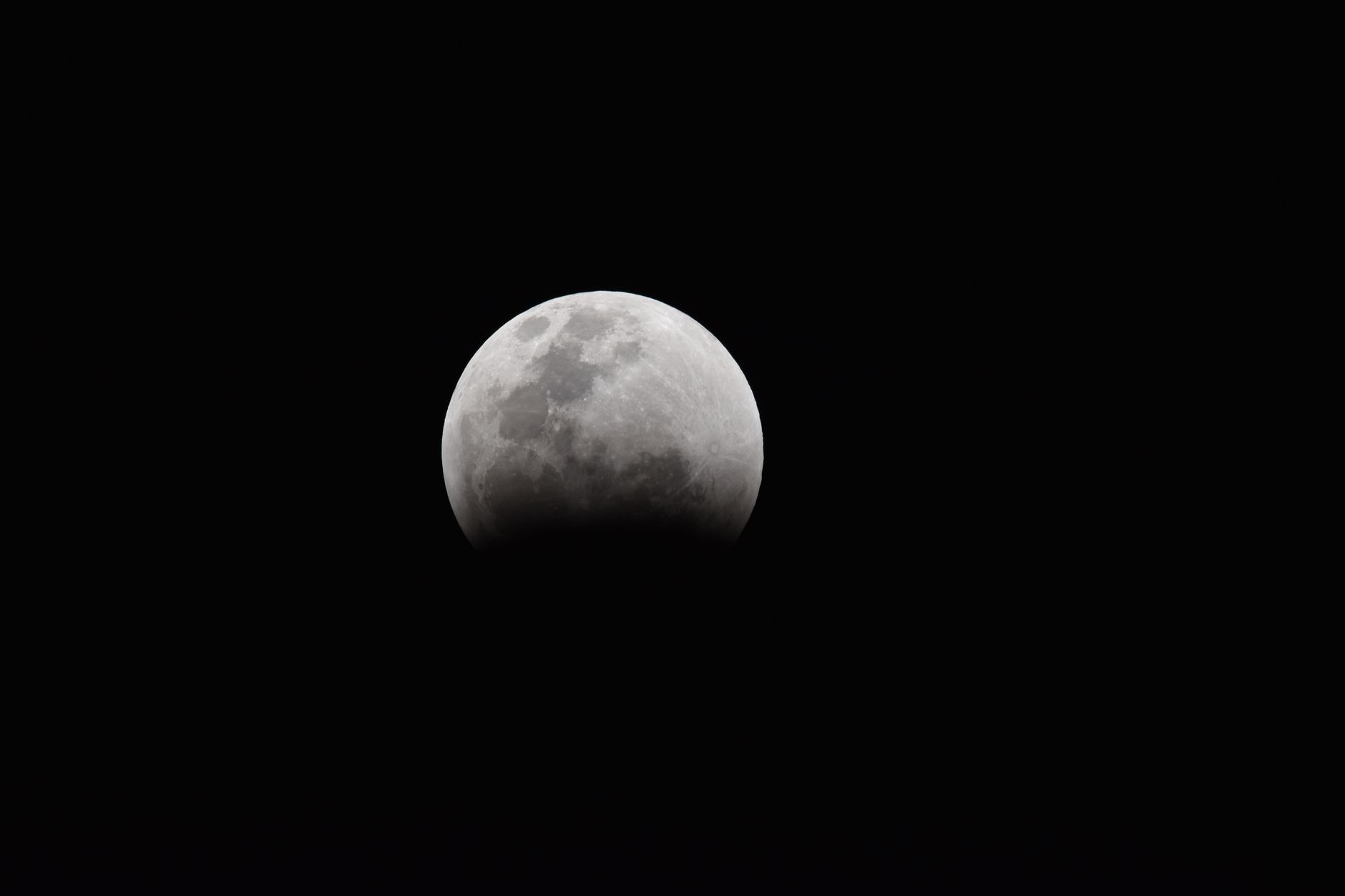
Artemis II is sending back pictures that make you forget your phone’s filters. It has been reported that the spacecraft captured a total lunar eclipse from deep space — almost 54 minutes of totality — with the Sun’s corona haloing the lunar disk and stars suddenly popping into view, normally too faint to see alongside the Moon. NASA called the vantage “unique,” and honestly: the photos and live descriptions from aboard Orion carry a blunt, old-school kind of wonder. One astronaut said on a broadcast, “It is blowing my mind what you can see with the naked eye from the Moon right now.” Yep. No AI needed.
A throwback record, and a tether to Apollo
This flyby is the first crewed venture so far into deep space since Apollo. The mission has already broken the distance record set by Apollo 13, and it has been reported that recorded messages from Apollo veterans — including a clip from the late Jim Lovell — were sent to the crew to mark the moment. Artemis II is due to exit lunar influence imminently and to re-enter Earth’s atmosphere on April 10. If all goes well, mission control will be able to breathe easy and, as NASA’s official language implied, pop the champagne corks.
Why these photos matter
Beyond the headlines and record books, the emotional core here is simple: humans, looking back at home and out at the cosmos, still get goosebumps. In an era awash with AI-generated imagery and memes, these raw, human-taken shots feel like a corrective. They’re not just pretty; they’re proof — of distance traveled, of eyes and instruments tuned together, of exploration that still manages to surprise. Who knew deep space could make the internet look a little quieter for a moment?
Sources: The Register
Comments