New solar telescope turns sunspots into exoplanet-finding weapons
The scoop
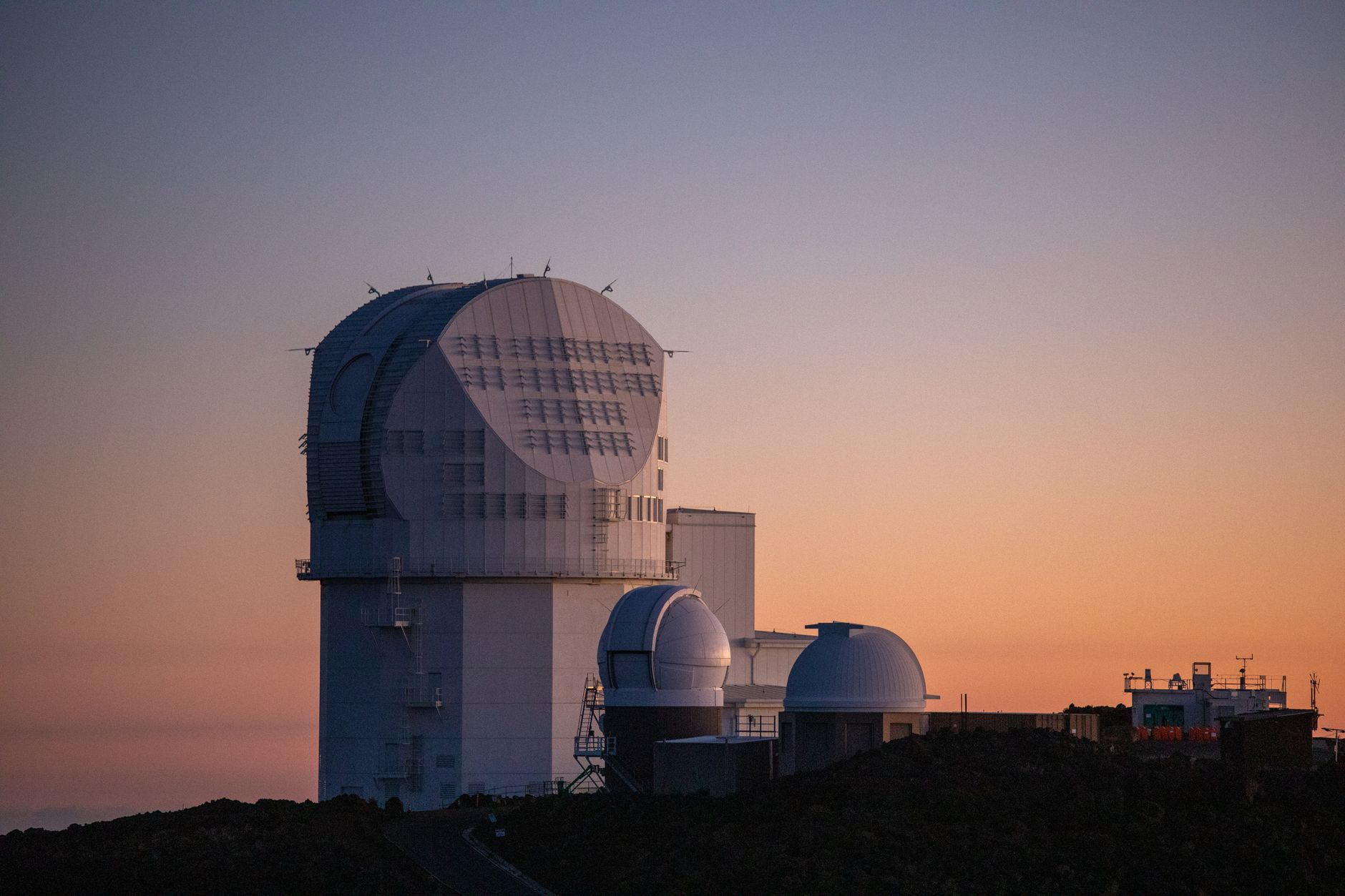
It has been reported that a new solar telescope is being used to flip a nuisance into a tool: researchers are allegedly mapping sunspots and solar activity at unprecedented detail so those same features can be used to sharpen exoplanet searches. The story surfaced on Reddit, where commenters highlighted how high-resolution, Sun-as-a-star observations can help model the noise that starspots introduce into planet-hunting data. Clever, right? Turn the thing that hides planets into the thing that helps you find them.
How it works
Stellar activity — spots, flares, and plages — masquerades as planet signals in both radial velocity and photometric surveys. By observing our own star up close and then translating that knowledge into corrections for distant Sun-like stars, astronomers can better distinguish a wobble caused by a small planet from one caused by a passing spot. Think of it as using a known headache to learn how to treat a stranger’s symptoms. It’s not magic; it’s pattern recognition at solar-system scale.
Why it matters
If the approach proves robust, it could improve sensitivity to Earth-like planets in habitable zones. Better models of stellar noise mean fewer false positives and smaller planets becoming detectable. And in an era where every fraction of a meter per second in radial-velocity precision counts, that’s a big deal. The payoff is practical: more reliable planet catalogs and fewer red herrings.
There’s a note of caution. The primary report comes via Reddit and the details remain light; it has been reported that teams are testing techniques, not claiming definitive discoveries. Still, the idea taps into a broader trend — use the Sun as a laboratory to solve exoplanet puzzles. Turning lemons into lemonade, solar-style.
Sources: reddit
Comments