New self-healing material can repair itself over 1,000 times, extend the lifespan of cars and aircraft
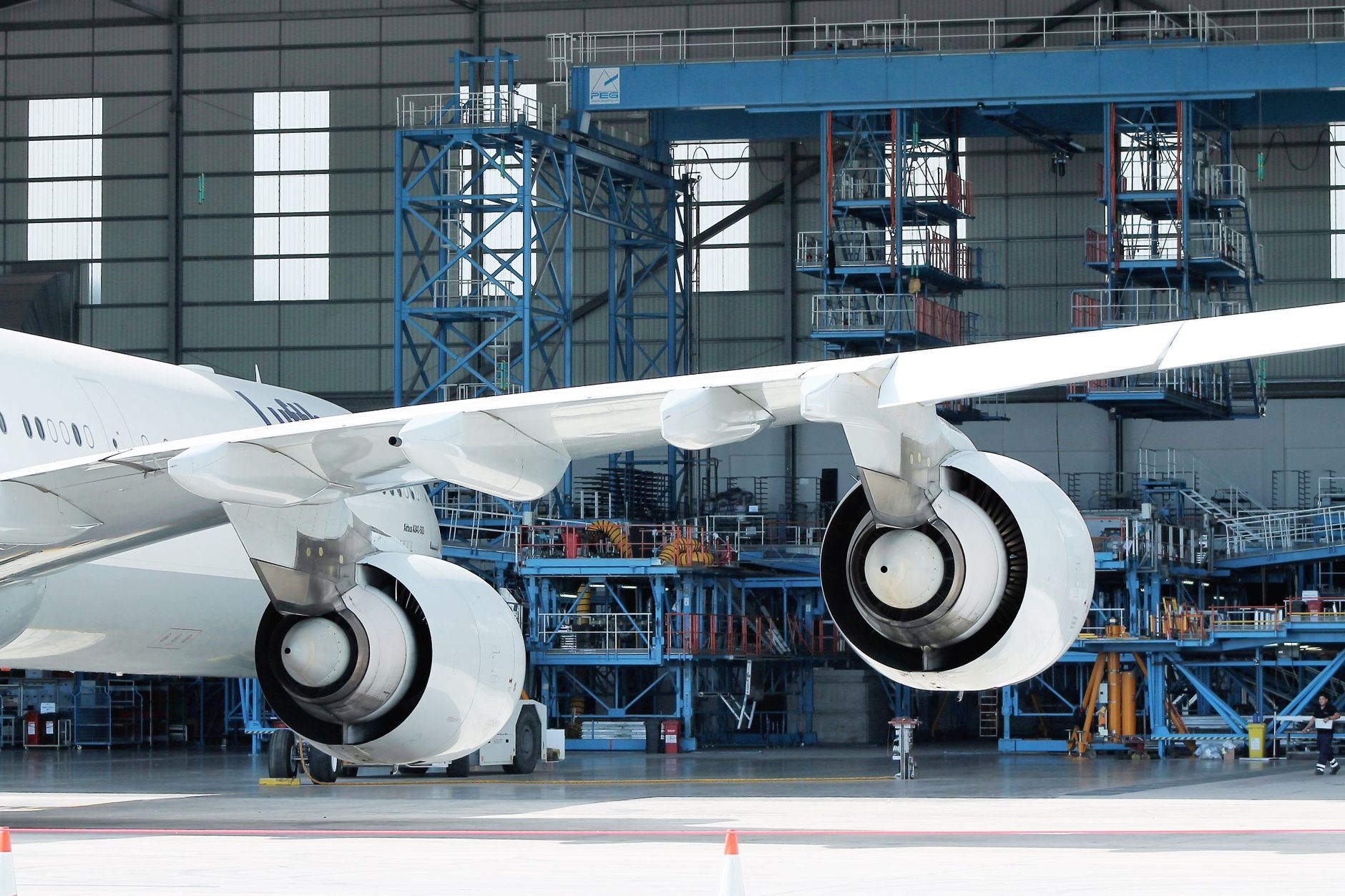
It has been reported that a team has developed a new self-healing material that can repair damage more than 1,000 times, a claim that landed on Reddit and quickly grabbed attention for its potential to cut maintenance and extend the working life of cars and aircraft. The post alleges repeated autonomous healing under lab conditions, and users on the thread pointed to images and summary data that paint a striking picture: scratches and small fractures closing up again and again. Exciting? Absolutely. Verified? Not yet.
How the material allegedly works
According to the report, the material relies on reversible chemical bonds — think dynamic crosslinks that break under stress and reform afterward — allowing the structure to restore itself without external intervention. The post reportedly includes microscopy showing repeated closure of cracks; it has been reported that the researchers demonstrated healing cycles under controlled temperatures and stresses. That mechanism would put this work in the same family as other polymer-based self-healers, but with claimed endurance far beyond most prior demonstrations.
Why industry should pay attention
If the results hold up, the implications are big. Imagine body panels that patch hundreds of small dings, or aircraft composites that heal microcracks before they grow. Fewer repairs, lighter safety margins, longer service lives, and potentially lower lifecycle emissions. For fleet operators and manufacturers wrestling with high maintenance costs and supply-chain drama, a material that “heals itself” sounds like a no-brainer. Who wouldn’t want a car that behaves like it has a tiny mechanic living in the paint?
Caveats and next steps
Allegedly promising, yes — but there are mileposts to clear. It has been reported that the work is currently on Reddit, not yet widely vetted in peer-reviewed journals; independent replication, long-term fatigue testing, environmental resilience (UV, heat, cold), manufacturability at scale, and certification for automotive or aerospace use remain open questions. Real-world parts face complex stresses far beyond lab scratches. So enjoy the headline — and watch for formal papers, independent tests, and industrial pilots before anyone starts slapping "self-healing" stickers on new cars.
Sources: reddit
Comments