China tests deep-sea electro-hydrostatic actuator that can cut undersea cables at a depth of 3,500 meters — state hails successful trial and hints at deployment readiness
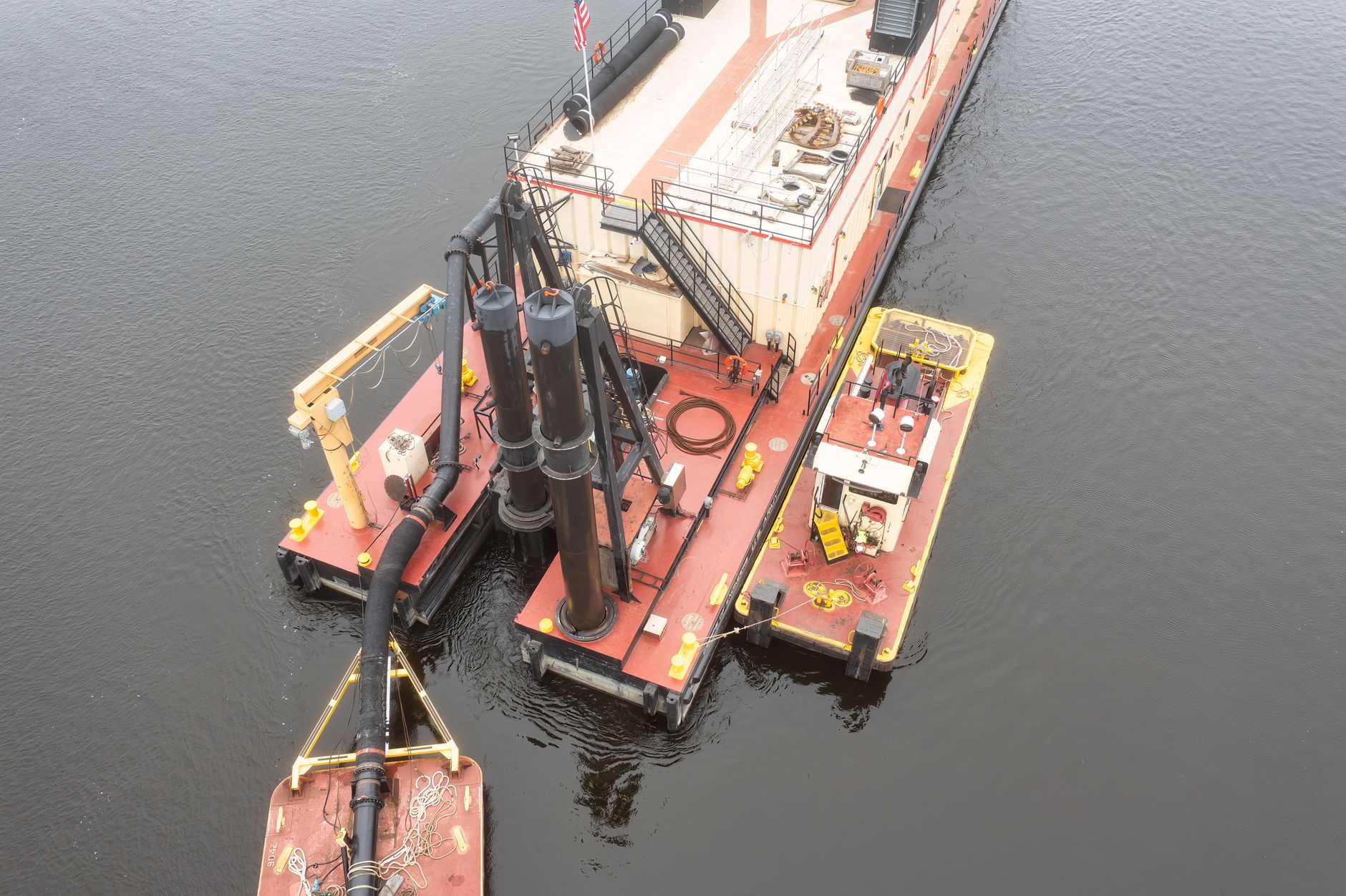
The claim
It has been reported that Chinese state-linked outlets announced a successful trial of a deep-sea electro-hydrostatic actuator that can allegedly sever undersea communications cables at depths up to 3,500 meters. Video and screenshots of the device circulated on Reddit and other social platforms, prompting fresh debate about vulnerability beneath the waves. Details remain sketchy and independent verification is currently lacking.
What that means — and why depth matters
Electro-hydrostatic actuators convert electrical signals into hydraulic motion, a compact way to get force down where you need it. Why mention 3,500 meters? Because that’s far beyond the continental shelf and well into the deep ocean where many major trunk cables lie — roughly 95% of international data traffic rides these fiber-optic lines. Cut a few of them and you don’t just lose Instagram; entire financial, governmental and emergency systems can wobble. Scary? You bet.
Geopolitics and the undersea arms race
If the claims hold up, this isn’t just a technical demo — it’s a strategic signal. Western analysts have warned for years about the militarisation of the seabed, and state praise of “deployment readiness,” it has been reported, will raise eyebrows in capitals that rely on undersea cables for connectivity. No one wants an escalator on the ocean floor. At the same time, accidents happen — cables have been damaged by trawlers and anchors — but the possibility of a purpose-built cutter adds a darker twist.
What comes next
Verification is the immediate question. Independent observers and naval authorities will be listening for evidence; transparency (or the lack of it) will shape the response. Will this spark tighter protection for cables — or a deeper, quieter contest beneath the waves? Either way, the incident highlights a messy truth: much of the internet’s plumbing is shockingly fragile, and we may be closer to a new front line than we thought.
Sources: reddit
Comments