Big Tech puts financial heft behind next‑gen nuclear power as AI demand surges
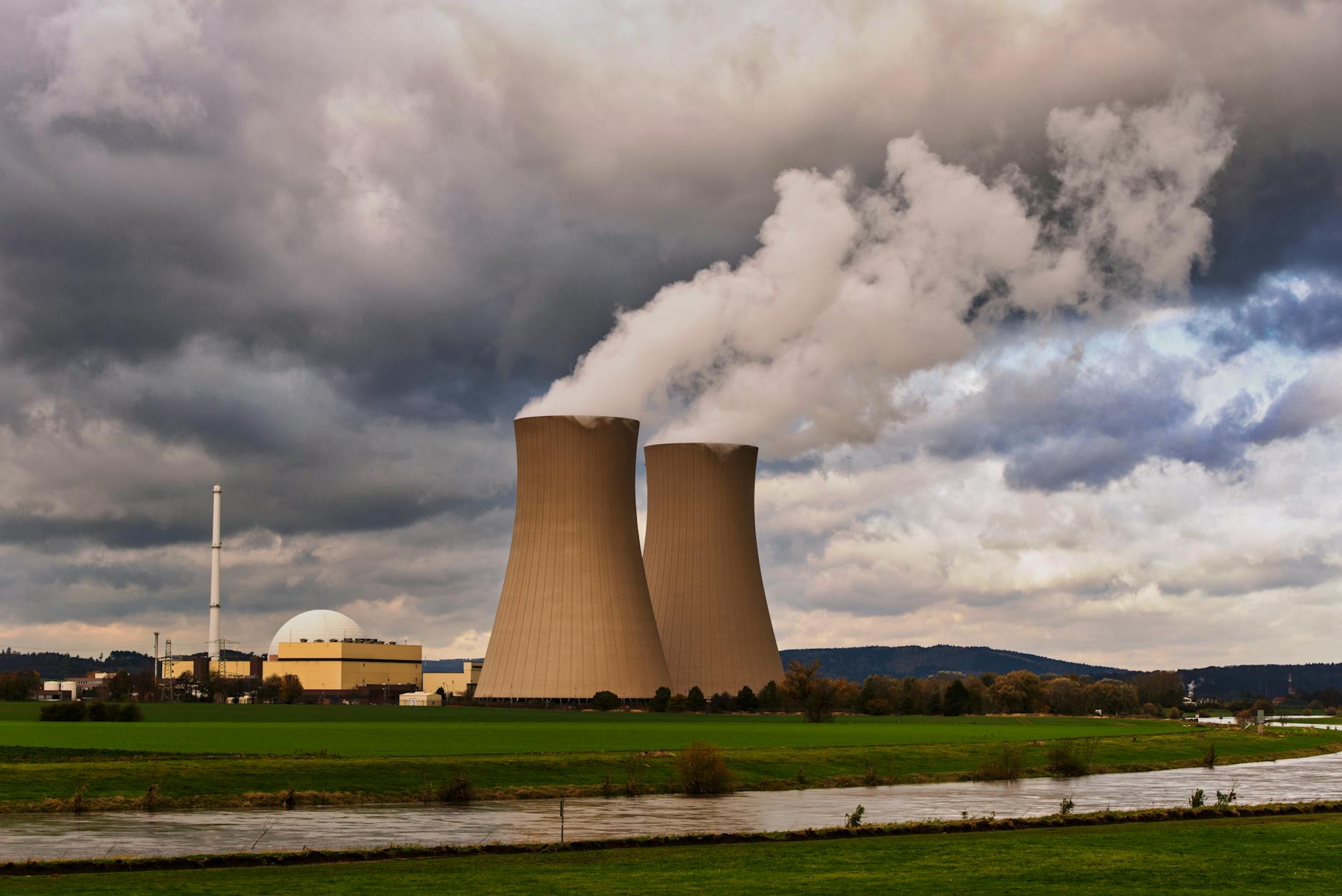
Silicon Valley’s money is heading to the reactor room. It has been reported that major cloud and AI companies are quietly funneling capital into advanced nuclear technologies — small modular reactors, microreactors and other “next‑gen” designs — as a way to secure reliable, carbon‑free baseload power for ever‑hungrier compute centers. The move feels like a plot twist: tech firms that once chased rooftop solar and long‑distance renewables are now betting on splitting atoms at scale.
Why now?
AI training runs are voracious. More models, bigger datasets, denser GPUs — and a need for power that is constant, predictable and low‑carbon. Renewables are great, but the sun sleeps and the wind lies down. Enter reactors that promise 24/7 capacity without the intermittency headache. It has been reported that the urgency of keeping AI infrastructure running, paired with corporate climate pledges and volatile grid prices, is accelerating interest and investment in reactors that were until recently niche, experimental, and capital‑intensive.
Risks and implications
There are big hurdles. Licensing, construction timelines, public acceptance and the heavy regulatory hand around nuclear remain problematic. Allegedly, some deals tie tech capital to long development horizons and government partnerships — a classic win‑stay scenario: tech bankrolls development now to lock in power decades from now. The emotional core here is striking: for communities that have opposed new reactors for years, the idea of a tech giant underwriting a plant nearby is likely to feel like progress to some and a raw deal to others. Who gets the power, and who bears the risk?
This is more than an engineering pivot; it’s a strategic one. If big tech successfully anchors advanced nuclear projects, it could change the economics of the industry, speed deployment, and reshape debates about energy sovereignty and decarbonization. Or it could end up as another expensive bet that underestimates the slow grind of permitting and construction. Either way, the next few years will tell whether cash plus code can finally make next‑gen nuclear the backbone of an AI‑powered future.
Sources: reddit
Comments