Linux devs begin pruning support for 37-year-old Intel 486 — Linus: "zero real reason" to keep it
What happened
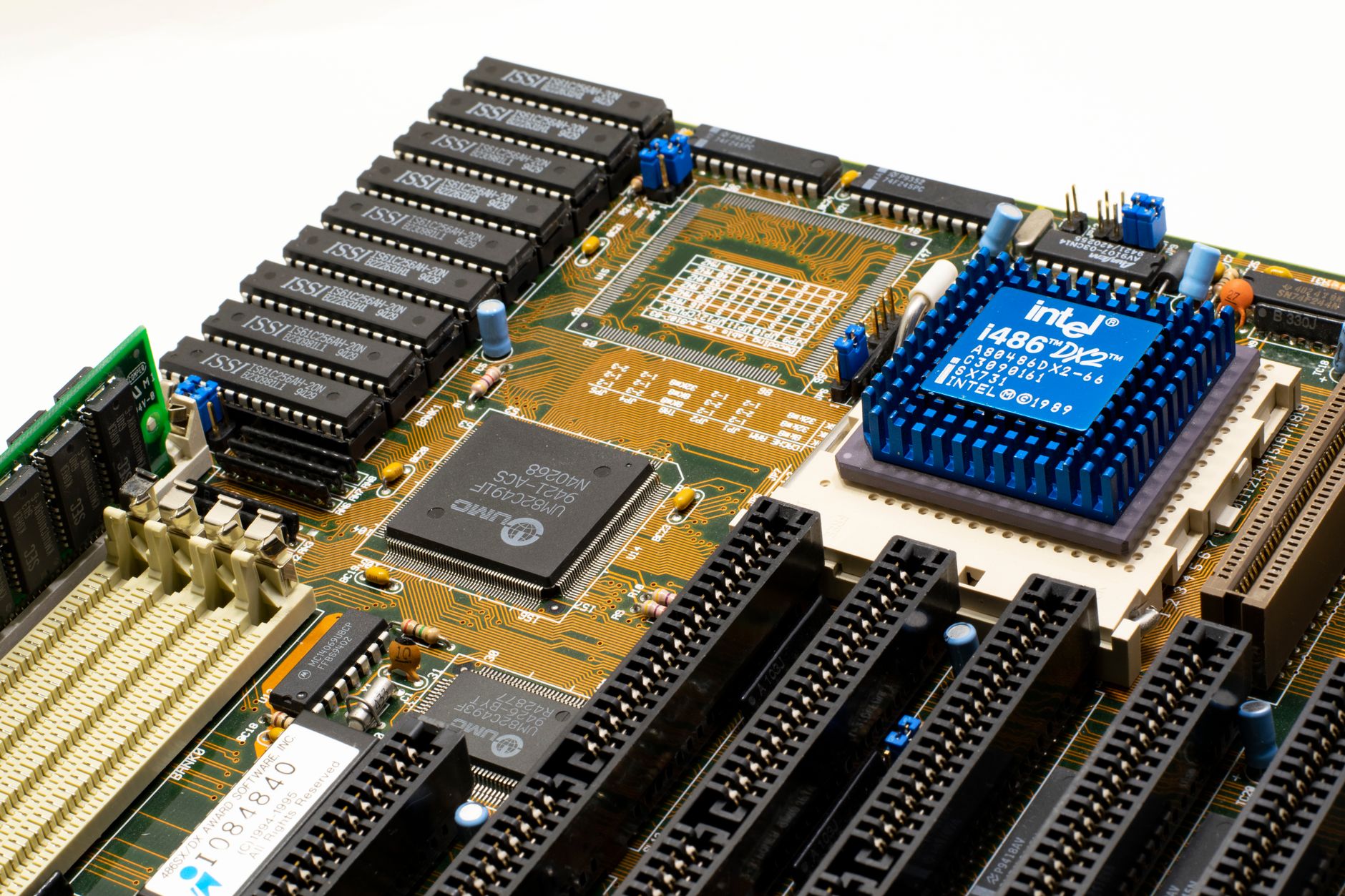
It has been reported that Linux kernel developers have started removing legacy support for the Intel 486 (i486) CPU, a chip first introduced more than three decades ago. The move was flagged on Reddit and in developer discussions, where maintainers argued that keeping ancient CPU-specific code adds maintenance overhead with almost no user benefit. It has been reported that Linus Torvalds allegedly commented there is "zero real reason" to continue supporting the platform.
Why it matters
Why care about a CPU most people haven’t touched since the early 1990s? For developers, this is about code hygiene. Old architecture cruft increases testing surface, complicates optimizations and sometimes prevents modernizing the kernel. For hobbyists and retro-computing fans, it’s an emotional moment — a small, tangible sign that the world is moving on. But in practical terms, very few production systems rely on i486-class silicon today.
Real-world impact
Most users won’t notice a thing. Embedded and legacy-critical environments tend to migrate on long timelines, and vendors usually maintain custom kernels if needed. Still, removing decades-old support clears the path for cleaner, faster code and fewer potential security blind spots. Think of it like finally taking the training wheels off a bike that no one rides anymore.
Looking ahead
Pruning legacy support is a recurring theme in open-source maintenance: keeping the tree lean so it can evolve. It has been reported that developers will continue evaluating other ancient bits of code the same way — cost versus benefit. Nostalgia aside, this is maintenance work: boring to write about, hugely important for the health of a project used by millions.
Sources: reddit
Comments