Element web client and matrix.to returning Cloudflare 451 — "Unavailable For Legal Reasons"
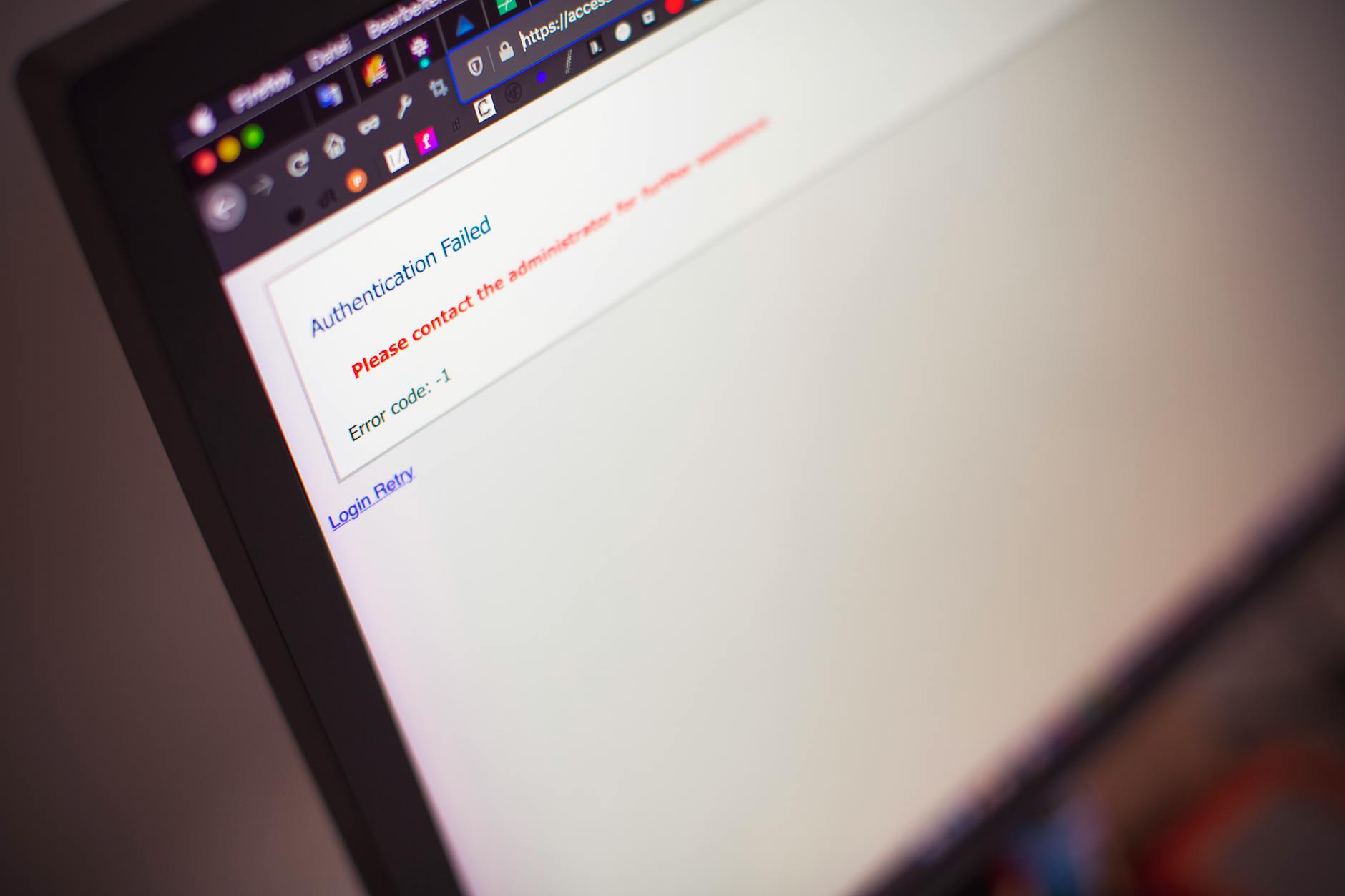
It has been reported that visitors to app.element.io and matrix.to are being greeted by a Cloudflare "451 — Unavailable For Legal Reasons" page, displaying the Cloudflare Ray ID 9ece0e391d665098 and the terse notice "This website is unavailable for legal reasons." Users discussing the issue on Lobsters say the block appears at the Cloudflare edge rather than on the Element servers themselves, but the specifics of any legal request remain unclear.
What happened — and what 451 means
Element is the flagship web client for Matrix, a decentralized open messaging network, and matrix.to is the simple permalink resolver used across Matrix rooms. A 451 response usually signals a legal compulsion: a court order, government takedown, or other jurisdictional restriction that Cloudflare — as the CDN and edge provider — is enforcing. Who issued any such order, in which jurisdiction, and on what grounds? That part is murky. It has been reported that affected users are seeing Cloudflare's standard takedown page rather than a service-level outage.
Why it matters — the community reaction
For a community that prizes decentralization and resilience, this is a raw moment. People are frustrated. Some called it censorship; others noted the irony — 451, anyone? Fahrenheit 451 has never felt closer. The immediate impact is practical: web access to Element and matrix.to is interrupted for some users, which complicates onboarding and link-following across the Matrix ecosystem. It also raises questions about transparency: will Cloudflare, Element, or the operator behind matrix.to disclose the nature of the legal request? So far, public details are sparse.
What users can do — and what to watch for
If you need immediate access, alternatives include using native Matrix clients, connecting directly to a homeserver, or visiting other Element frontends that may be hosted independently. Some users may try VPNs or alternate DNS to determine whether the block is regional; proceed with caution and local law in mind. More broadly, this is a story to watch: if a legal demand can be applied at the CDN edge to disrupt access to core tooling for an open protocol, the consequences go beyond one downtime message. Who will explain it? And how will the decentralised messaging world respond?
Sources: app.element.io, Lobsters
Comments