Native IPv6 Kubernetes for true edge routing
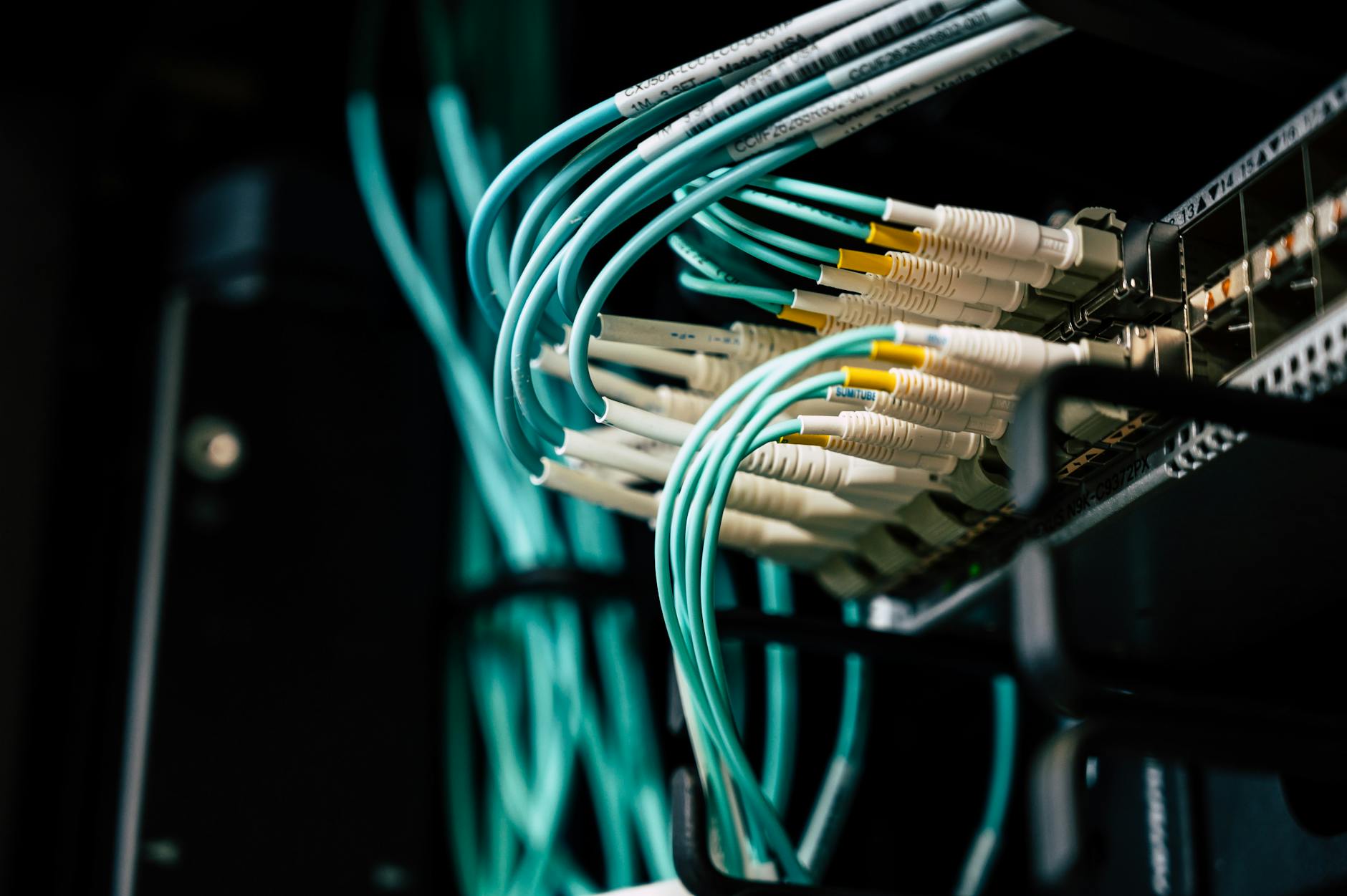
Kubernetes + IPv6: finally a sensible pairing?
A recent blog post argues that Kubernetes and IPv6 should be friends — and not just acquaintances. It has been reported that IPv6 just hit roughly 50% of traffic, according to Google data, after nearly three decades of slow adoption. Kubernetes, by contrast, exploded in a decade. Why not use IPv6’s enormous address space to simplify cluster networking, especially at the edge?
Two easy ways in — link‑local for dev, global for production
The piece shows practical options. For quick testing you can bootstrap a cluster with link‑local addresses, e.g. kubeadm init --pod-network-cidr=fe80:10:32::/56 --service-cidr=fe80:10:64::/112, which behaves much like IPv4 overlay networks. For real deployments the advice is to use your provider’s global unicast prefix — kubeadm init --pod-network-cidr=2a01:10:32::/56 --service-cidr=2a01:34:e393::/112 — and let pods get routable addresses. Simple idea. Huge payoff.
Less NAT, simpler routing — but plan carefully
The author recommends shrinking the default per‑node allocation (--node-cidr-mask-size-ipv6) away from wasteful /64s to something like /96–/112 so you don’t burn entire address blocks. Do that and routing flattens: pods can be natively reachable without services, NAT, or extra proxies — which is music to an operator’s ears. Caveat emptor: those same clouds of simplicity mean pods are internet‑reachable unless you add firewalls. Security and prefix allocation planning still matter.
Edge use cases: scattered CIDRs, unified routing
Where this gets interesting is at the edge. Kubernetes itself is mostly agnostic about IP numbers, and the post argues you can run nodes with scattered, location‑specific IPv6 prefixes while the CNI handles routing. That makes multi‑region, multi‑cloud, and genuinely distributed edge clusters more natural. It’s not magic — you need proper prefix delegation and routing — but if you’ve been dreaming of flatter, native networks for the edge, this is a neat, practical blueprint.
Sources: henrikgerdes.me, Lobsters
Comments