Returning to work after a year-long illness — what AI tools & workflows are you using nowadays?
The post
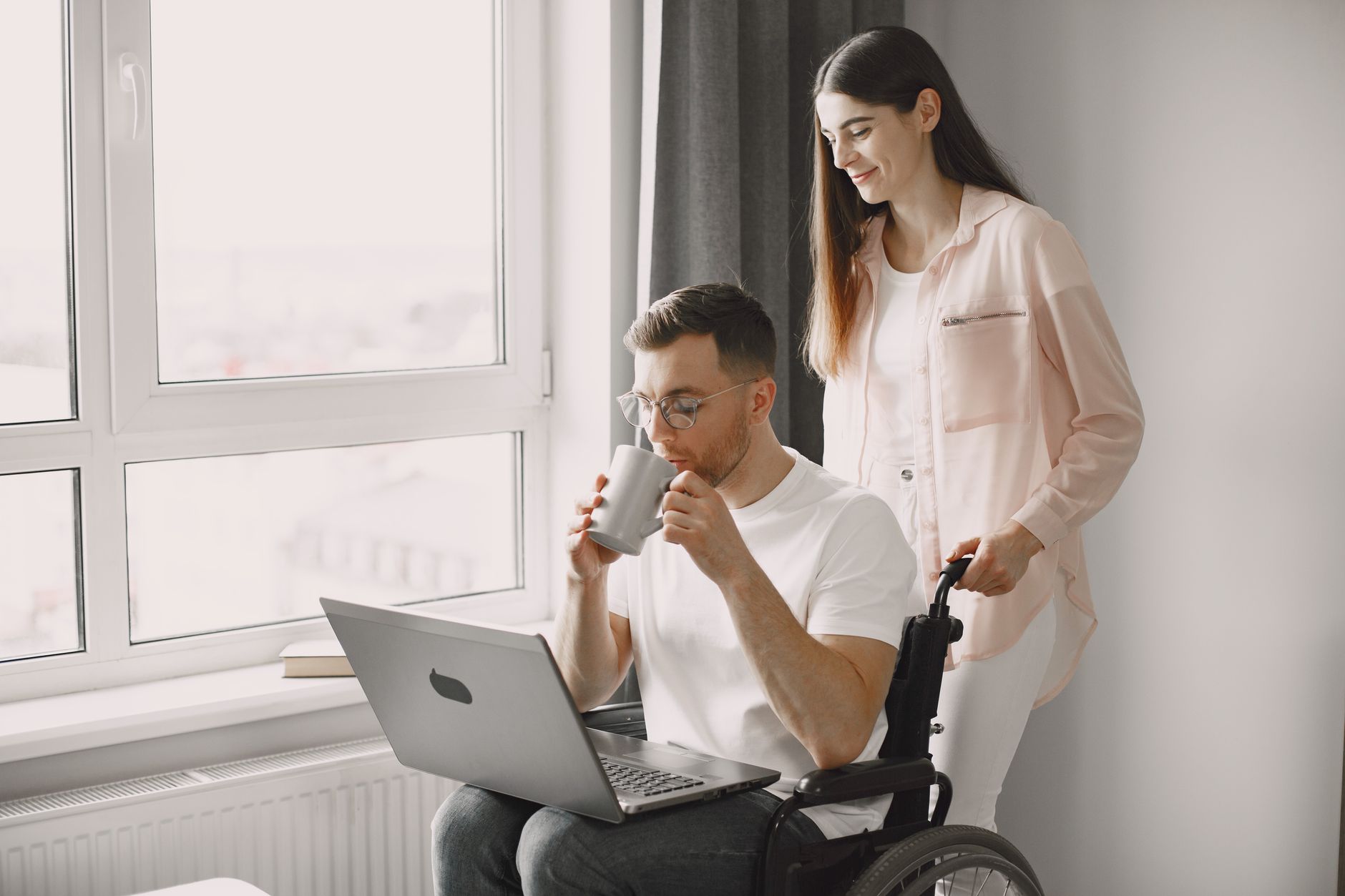
A Lobsters user preparing to return to work after a year off has sparked a practical thread. They said last May they were diagnosed with Guillain-Barré Syndrome, spent months in a wheelchair and nearly a year in rehab, and are now recovering — even back to running, though their hands remain weak. Rather than a feel‑good fluff piece, this is a direct ask: what AI tools and workflows are people actually using now? The poster named Claude Code and Cursor and asked for as much detail as possible.
Industry shift and toolset
The poster admits they tried to keep up while out, but the landscape kept changing. It has been reported that some developers feel they “barely write code” anymore except for unusual problems — a broad claim, but one that captures how fast AI-assisted development has moved from novelty to everyday tool. Popular options people mention across the industry include GitHub Copilot and Copilot-like extensions, Claude Code, Cursor, Tabnine, and tightly integrated LLM plugins inside editors such as VS Code or JetBrains. Workflows trending alongside these tools emphasize iterative prompt-driven generation, small focused PRs, automated testing, and rapid verification rather than monolithic hand-coding.
Accessibility, ergonomics and workflow tweaks
This isn’t just about shiny models. For someone coming back with weaker hands, ergonomics and alternative input matter as much as model selection. Voice coding, keyboard macros, trackballs and programmable mice, and tools that minimize typing (Cursor’s UI, code-completion-heavy setups, and voice-to-text tuned for code) reduce friction. Pair the AI assistant with robust CI, unit tests, and linting so you can validate suggestions quickly — think of the model as a turbocharged research partner, not a replacement for good review and tests.
Community call
The original poster offered to answer questions about their recovery and wants detailed, practical advice — not marketing copy. What would you recommend to someone whose hands are still recovering and who wants to be effective on day one back? Share specific tools, prompt patterns, and accessibility hacks. Small wins matter here: the emotional moment isn’t just returning to work, it’s doing it in a way that lasts.
Sources: Lobsters
Comments