IEA: Solar overtakes all energy sources in a major global first
A sunny shock to the system
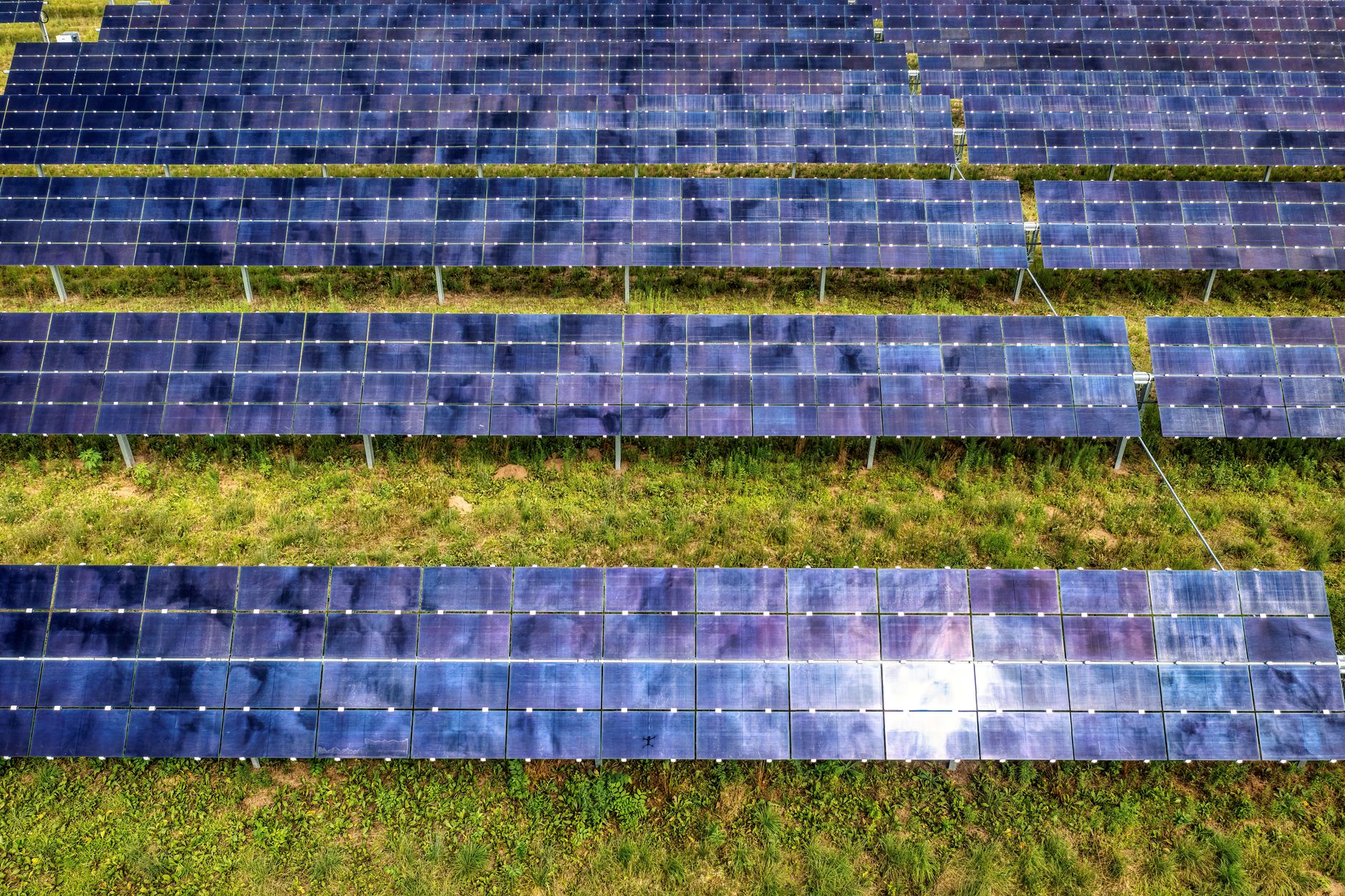
Solar just did something nobody expected so soon. According to the IEA’s 2026 Global Energy Review, solar was the single biggest contributor to global primary energy growth in 2025, accounting for more than 25% of the increase — the first time a modern renewable has led global energy growth. That’s not a footnote. It’s a landmark. Solar added about 600 terawatt-hours of generation in a single year, the largest annual jump ever recorded for any power technology.
Electricity is eating the growth curve
Overall energy demand rose a modest 1.3% in 2025, but electricity demand surged roughly 3% — more than twice the growth of total energy. Why? Electrification of buildings and industry, a boom in data-centre load, and rising EV adoption. Electric car sales jumped over 20% to more than 20 million vehicles, making up about one in four new cars sold globally. Natural gas still chipped in (about 17% of growth), but renewables plus nuclear met nearly 60% of new energy needs, meaning clean power more than covered the additional electricity demand.
Winners, losers, and ugly trade-offs
Not everything is rosy. Coal’s fate diverged by region: China’s coal-fired generation fell as renewables scaled up, while some U.S. utilities leaned back on coal when natural gas prices spiked. Oil demand crept up just 0.7% — EVs are clearly biting into gasoline and diesel growth. Battery storage also surged, with roughly 110 GW of new capacity added in 2025, the fastest growth of any power technology.
The mood and the math
“Electricity consumption is growing much faster than overall energy demand — and one energy source [solar] is growing much faster than any other,” IEA Executive Director Fatih Birol said. Emissions growth eased — about +0.4% globally — with China actually seeing a decline and India’s emissions flat. But advanced economies bucked the trend, seeing emissions rise faster than developing ones. So: a hopeful pivot toward cleaner power, yes. But with geopolitical risks, economic churn, and uneven regional progress, the next few years will decide whether this is a turning point or just an opening act.
Sources: electrek.co, Hacker News
Comments