Islamic medicine’s Golden Age: Baghdad, books and the birth of modern practice
A quick sweep of history
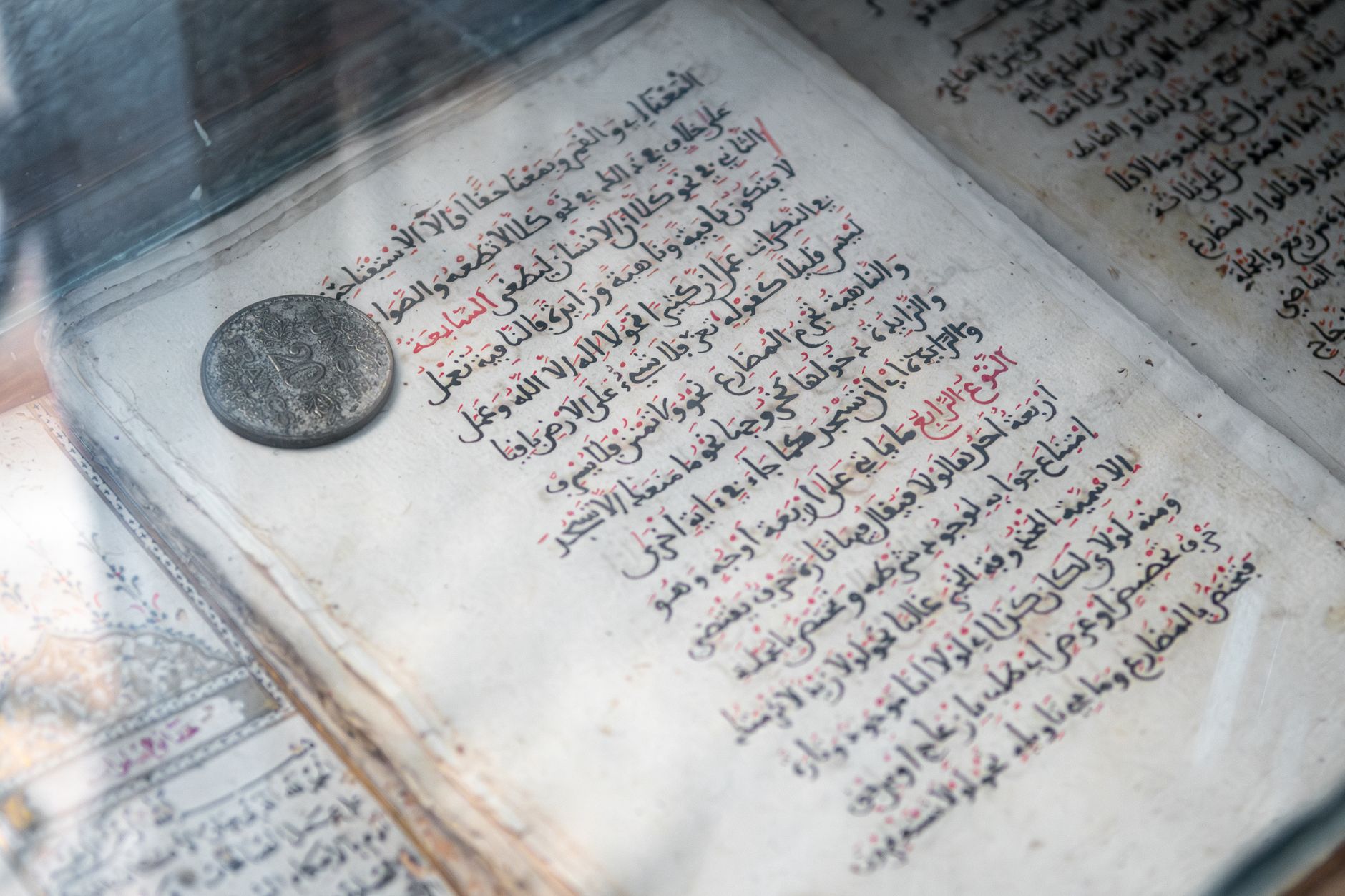
During the expansion of the early Islamic empires, medicine didn't just survive — it went on a tear. From Spain to Samarkand, physicians revived Greek texts, refined ideas, and added new practices that would ripple across continents. It has been reported that institutions like the Academy of Jundi-Shapur and the hospitals of Baghdad — especially under Harun al‑Rashid and his successors — became hubs where theory met bedside care.
The heavy hitters
Who were the giants? Mesua (Yahya ibn Masawaih) ran a Baghdad hospital and wrote a well‑known anatomy text. Hunayn ibn Ishaq allegedly translated more than a hundred Greek manuscripts and was nicknamed “the sheikh of the translators.” Al‑Razi (Rhazi) distinguished smallpox from measles and compiled an eight‑volume medical encyclopedia; Avicenna’s Canon codified centuries of knowledge. Surgeons like Albucasis produced 30‑volume manuals on cautery and bone‑setting, while Al‑Hazen pushed optics and experimental proof — it has been reported that medieval Europe hailed him as a “Second Ptolemy.”
Lasting impact
This wasn’t dusty scholarship. These physicians built hospitals, pharmacies, diagnostic scales, and surgical toolkits — practical stuff that saved lives. Their texts became standard references in both the Islamic world and later in Europe. The emotional core of the story? A multicultural, multilingual network decided curiosity and care were worth the work. Imagine entire libraries translating and testing knowledge in an age before Zoom conferences. Pretty impressive.
Why it still matters
Why look back now? Because the era shows how knowledge flows when cultures collide and institutions prioritize evidence and training. Modern medicine’s roots are multicultural and messier than many narratives allow. Remembering that history isn’t a party trick — it’s a reminder that progress often comes from exchange, not isolation. Want a more hopeful origin story for science? Here it is.
Sources: hekint.org, Hacker News
Comments