Dad brains: How fatherhood rewires the male mind
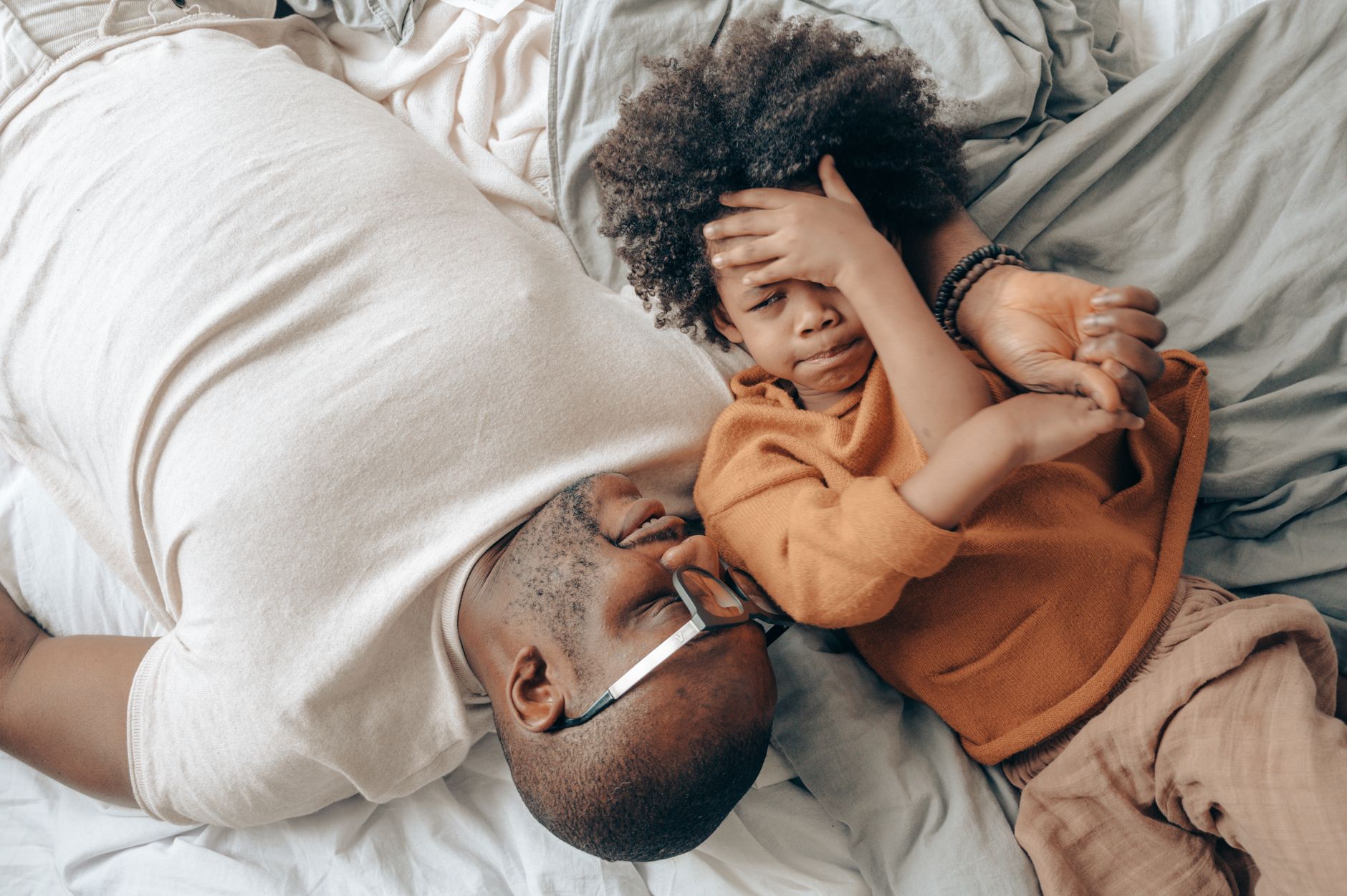
A mental makeover begins at home
Becoming a dad can feel like a plot twist in slow motion. One day you’re you; the next, your priorities — and apparently your biology — rearrange. It has been reported that recent research points to real, measurable changes in men's bodies and brains around the time they become caregivers: hormones shift, neural circuits reconfigure, and responsiveness to infant cues increases. This isn’t just sentiment and Pinterest boards; scientists are starting to map how fatherhood sculpts the male mind.
Hormones, neurons and a new reward map
Studies suggest testosterone levels typically fall and oxytocin and prolactin can rise in new fathers, tilting the hormonal balance from competition toward caregiving. Neural imaging shows changes too — not a wholesale brain swap, but shifts in networks that process reward, empathy and threat. The ventral striatum and prefrontal systems that help value and regulate behavior appear more responsive to baby faces and cries, while circuits involved in stress and vigilance adjust as well. Animal work and longitudinal human studies hint at plasticity: the brain adapts to make caring feel worth the effort. Caveats remain — causality and the precise mechanisms are still being worked out — but the pattern is consistent.
Behavior follows biology (and culture nudges it)
Hands-on caregiving amplifies these changes. Fathers who change diapers, soothe, and sleep near their infants are more likely to show hormonal and neural signs of engagement. Culture matters too: societies that expect involved dads generally see more paternal investment and different physiological profiles. So is it nature or nurture? Both. Biology primes, experience shapes, and social norms steer the outcome. The emotional moment is obvious: many fathers report a sudden, fierce protectiveness and tenderness that feels both biological and existential. Powerful stuff.
Why this matters beyond baby photos
Understanding the “dad brain” reframes parenting policy, mental health and family support. If fatherhood rewires reward systems and stress responses, then paid leave, accessible parenting education, and support for paternal mental health aren’t just nice extras — they could influence child development and family wellbeing at a biological level. We’ve been talking about involved fathers as a social good for years; now the science is catching up and adding a physiological why. Who knew neuroscience would give new meaning to “sleep when the baby sleeps”?
Sources: bbc.com, Hacker News
Comments