Focused microwaves allow 3D printers to fuse circuits onto almost anything
What they built
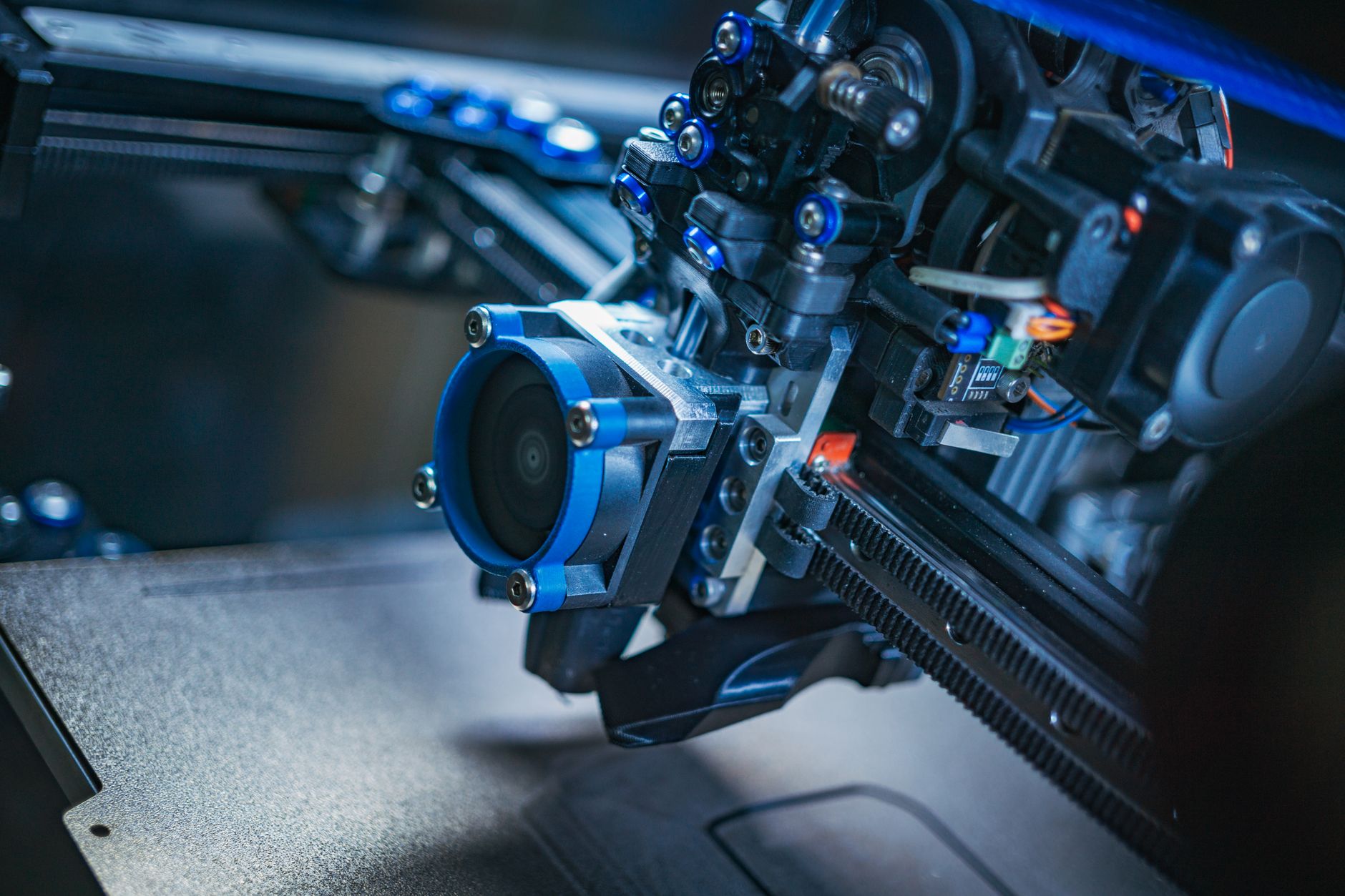
It has been reported that engineers at Rice University have developed a tiny device — the Meta-NFS — that concentrates microwave energy into a zone smaller than 200 micrometers, hot enough to sinter conductive ink (>160 °C) without roasting the substrate beneath. Think of it as a magnifying glass for microwaves: a split‑ring resonator with a tapered tip that traps and squeezes electromagnetic energy. Using graphene as an intermediary, the team allegedly boosts microwave absorption dramatically, letting them heat the printed material from the inside out while keeping surrounding tissue, paper or polymer cool.
Why it matters
Why should anyone care? Because printed electronics have been bottlenecked by heat. Furnaces and lasers scorch everything in their path, locking us out of biomedical and living‑matter applications. The Meta‑NFS reportedly transfers a far higher fraction of microwave power into the target than conventional probes — enabling real‑time fusing while a microextrusion nozzle lays down ink. The result: a single desktop‑sized printer can program electrical and mechanical properties on the fly, varying silver‑ink resistivity by orders of magnitude and approaching bulk silver conductivity. Yes, you could print a circuit on a leaf or bone. The team demonstrated wireless strain sensors on a bovine femur and conductive traces on living plant tissue. Creepy? Fascinating? Both.
Hurdles and context
This feels like a step straight out of a sci‑fi toolkit, but there are caveats. It has been reported that the work appears in Science Advances and comes from a controlled lab setup — scaling, biocompatibility, long‑term stability and regulatory hurdles remain. Also: concentrated microwaves and living tissue raise questions about safety and unintended effects; extensive testing will be needed before anyone implants or farms with this tech. Still, for makers, medtech and wearable electronics, the promise is clear: freeform, substrate‑friendly circuitry could rewrite how and where we place intelligence — from surgical implants to smart plants. Who said hardware had to be stubbornly rigid?
Sources: newatlas.com, Hacker News
Comments