The noise we make is hurting animals. Can we learn to shut up?
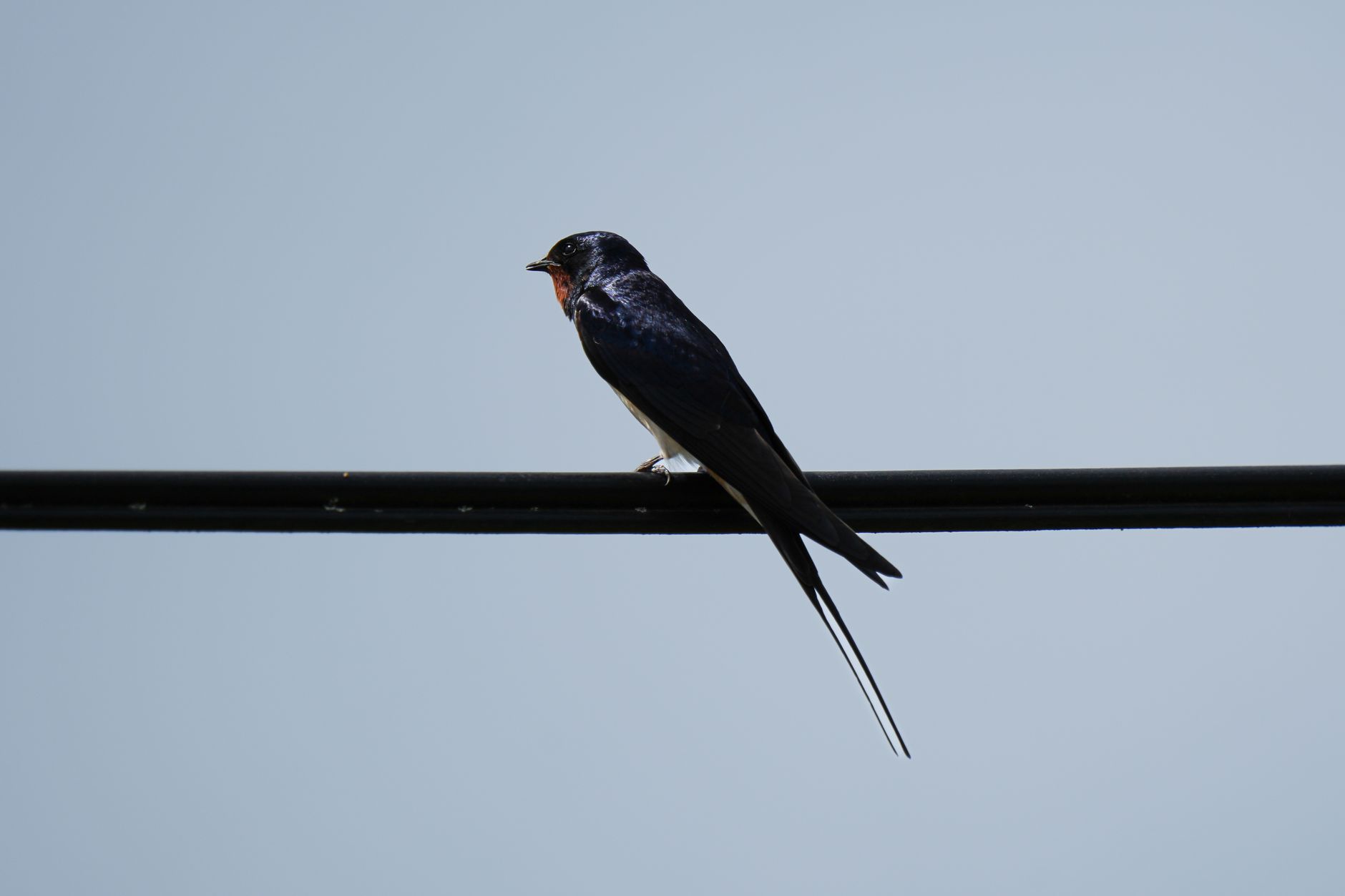
When cities fell quiet during the pandemic, something surprising happened: birds sounded different. Jennifer Phillips, who has spent years studying how animals respond to “anthropogenic noise,” rushed to the Presidio in San Francisco when traffic dropped and the world went mute. It has been reported that the park was seven decibels quieter and that white-crowned sparrows shifted from loud, high-pitched trills back to richer, lower-frequency songs that carried farther. It was an eerie, hopeful reversal — as if the soundtrack of urban life had been rewound and the damage briefly undone.
A sudden experiment in silence
Animals rely on sound for everything: courting, warning, navigating. It has been reported that, as traffic and industrial noise rose over decades, some sparrow “dialects” vanished and males began singing higher and louder so mates could hear them. Female birds, researchers say, often prefer less frantic calls — it has been reported that high-pitched shouting can reduce mating success and stress birds physically, thinning them and upping conflict between neighbors. The pandemic pause was a natural experiment that underlined how fragile acoustic ecosystems really are.
Quiet is pollution — and also fixable
Noise is pollution without a smokestack. It’s invisible, persistent, and, crucially, reversible. It has been reported that the Presidio example shows what’s possible: reduce the racket and wildlife behavior rebounds quickly. Solutions are already on the table — electrification of transport, smarter urban design, quieter pavement, traffic-calming measures — and they dovetail with climate and public-health goals. So what’s stopping us? Habit, infrastructure inertia, policy gaps. We can turn the volume down, if we choose.
Can we learn to shut up? The emotional moment here isn’t just nostalgia for nicer bird songs. It’s the recognition that human activity has rewritten the rules of whole ecosystems — and that, once we stop yelling over each other, those ecosystems might begin to heal. Want proof? The sparrows handed it to us during the quietest year in recent memory. Now it’s on us to listen.
Sources: technologyreview.com, Hacker News
Comments