Ancient DNA suggests pervasive directional selection reshaped West Eurasian genomes
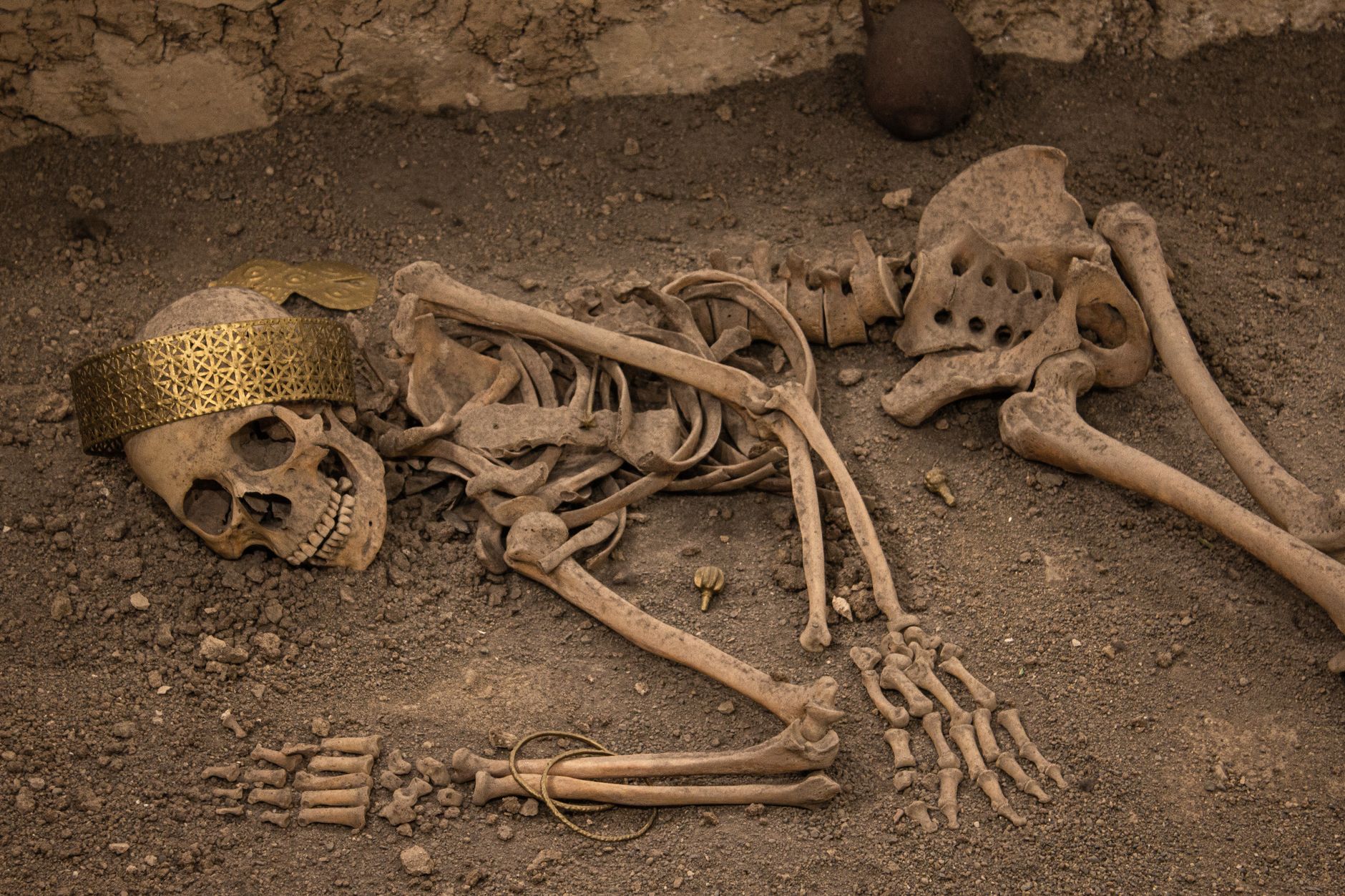
A new analysis of ancient human genomes has it been reported that directional natural selection was far more common across West Eurasia than previously appreciated. The study, led from the Reich lab at Harvard, allegedly leverages time-stamped DNA from prehistoric and historic individuals to trace allele-frequency changes through the Holocene, arguing that selection repeatedly nudged the gene pool in predictable directions as environments and cultures shifted. Short bursts, long trends — evolution in motion.
What the team did and found
It has been reported that the authors assembled a large temporal dataset of ancient genomes and applied allele-frequency trajectory methods to detect selection acting over centuries to millennia. The paper allegedly identifies widespread signals across many loci and polygenic traits — with patterns most consistent with directional selection rather than random drift — and highlights shifts linked to immunity, metabolism, and appearance among others. The approach treats the past as a time-lapse: instead of inferring selection from present-day patterns, you watch the alleles rise or fall.
Why this matters — and why to be cautious
Why should you care? Because this work reframes how often and how strongly humans genetically adapted to changing diets, pathogens, and lifestyles in recent prehistory. It also sharpens a toolset for connecting ancient trajectories with modern health differences. But selection signals are tricky. It has been reported that the authors discuss confounders and the limits of interpreting adaptive stories from allele shifts — correlation does not equal a tidy, single-cause narrative. And as always, such findings must be communicated carefully to avoid deterministic headlines or social misreads.
This study paints a vivid, sometimes unsettling picture: our genomes carry a record of repeated, directional responses to the world our ancestors made and endured. It’s like watching evolution on fast-forward — messy, contingent, and deeply human.
Sources: hms.harvard.edu, Hacker News
Comments