Stealth TV signals are slipping past Iran’s internet blackout
What happened
It has been reported that on 8 January 2026 the Iranian government imposed a near-total communications blackout, severing most citizens from the global internet, mobile networks, and even many landlines. The shutdown coincided with one of the largest anti-government protests since 1979, and it has been reported that officials later tightened restrictions again after U.S. and Israeli airstrikes in late February. The scale was jarring: people across 31 provinces suddenly found themselves cut off from news, social media, and one another. Panic, rumor and silence filled the same space where daily life used to hum.
The workaround
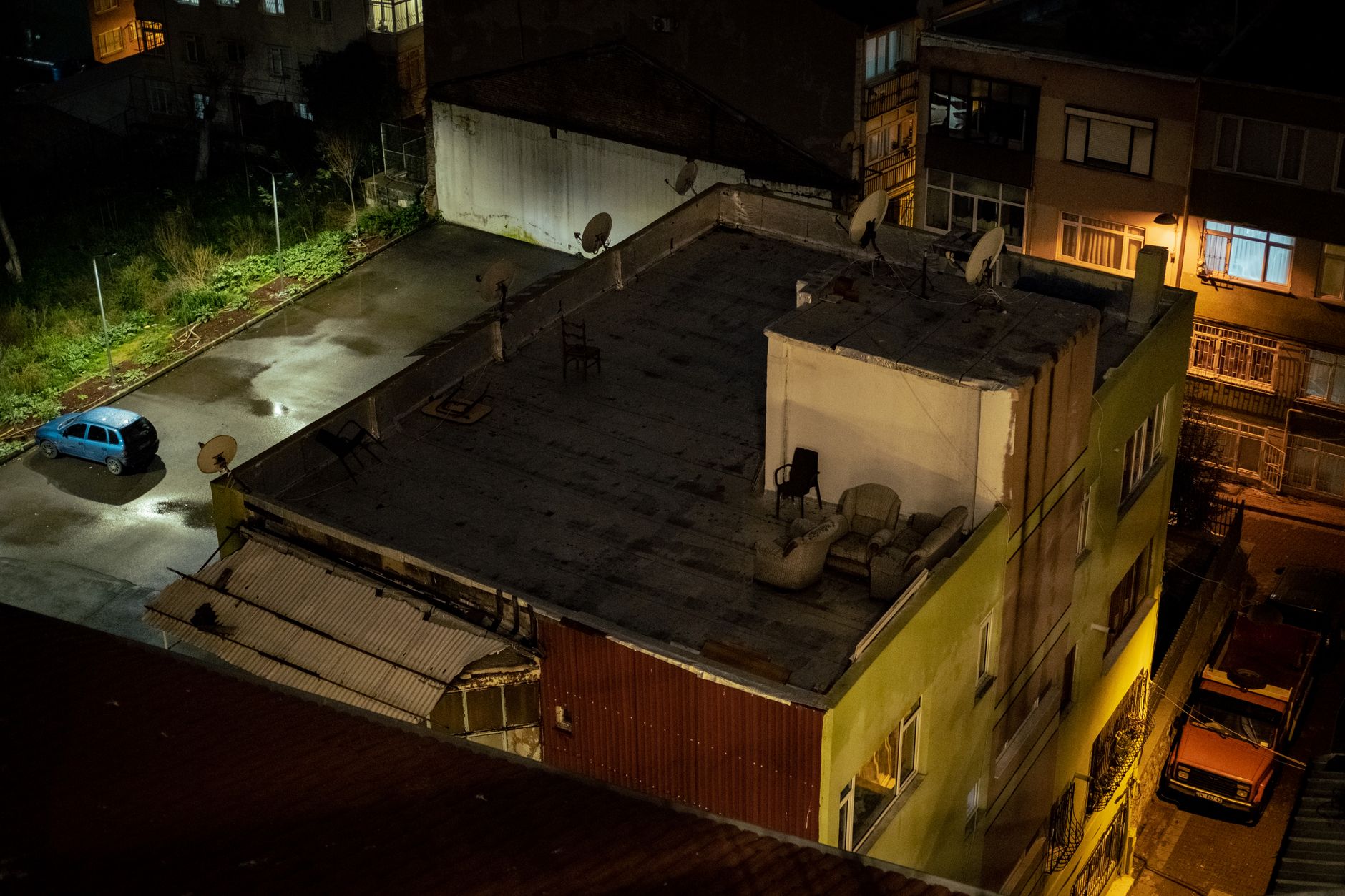
Enter Toosheh, a system built by the nonprofit NetFreedom Pioneers that hides files inside ordinary satellite television broadcasts. It has been reported that, thirteen days into the shutdown, Toosheh began delivering news, video and other data into Iran by piggybacking on already-available satellite channels — no internet provider, VPN, or phone carrier required. The trick isn't sci‑fi. It’s low‑bandwidth, one‑way file drops: think of email attachments sneaked in on a TV signal. Allegedly, those packets helped get trusted information to people starving for context and verification.
Why it matters
Why does this matter? Because Iran’s network is unusually centralized, with most international traffic routed through a few state‑linked gateways and a homegrown National Information Network that keeps services inside the country. That architecture makes censorship easier — switch off the taps and the river runs dry. Satellite TV, by contrast, is diffuse and harder to police in real time. This is a classic arms‑race moment between authoritarian shutdowns and decentralized outs. The stakes are human as much as technical: it has been reported that thousands died during the unrest, and information — not just food or medicine — can be a lifeline.
The bigger picture
The ingenuity feels familiar: people have long rerouted around repression with creative tech and old‑school hacks, from burner phones to mesh networks. But this episode raises fresh questions about how governments will try to control broadcast infrastructure, and how tools meant for benign distribution might become contested ground. For now, millions in Iran found a way to hear a different broadcast. It’s a small victory, but one that reverberates — because when information flows, power shifts.
Sources: ieee.org, Hacker News
Comments