Scientists discover "cleaner ants" that groom giant ants in Arizona desert
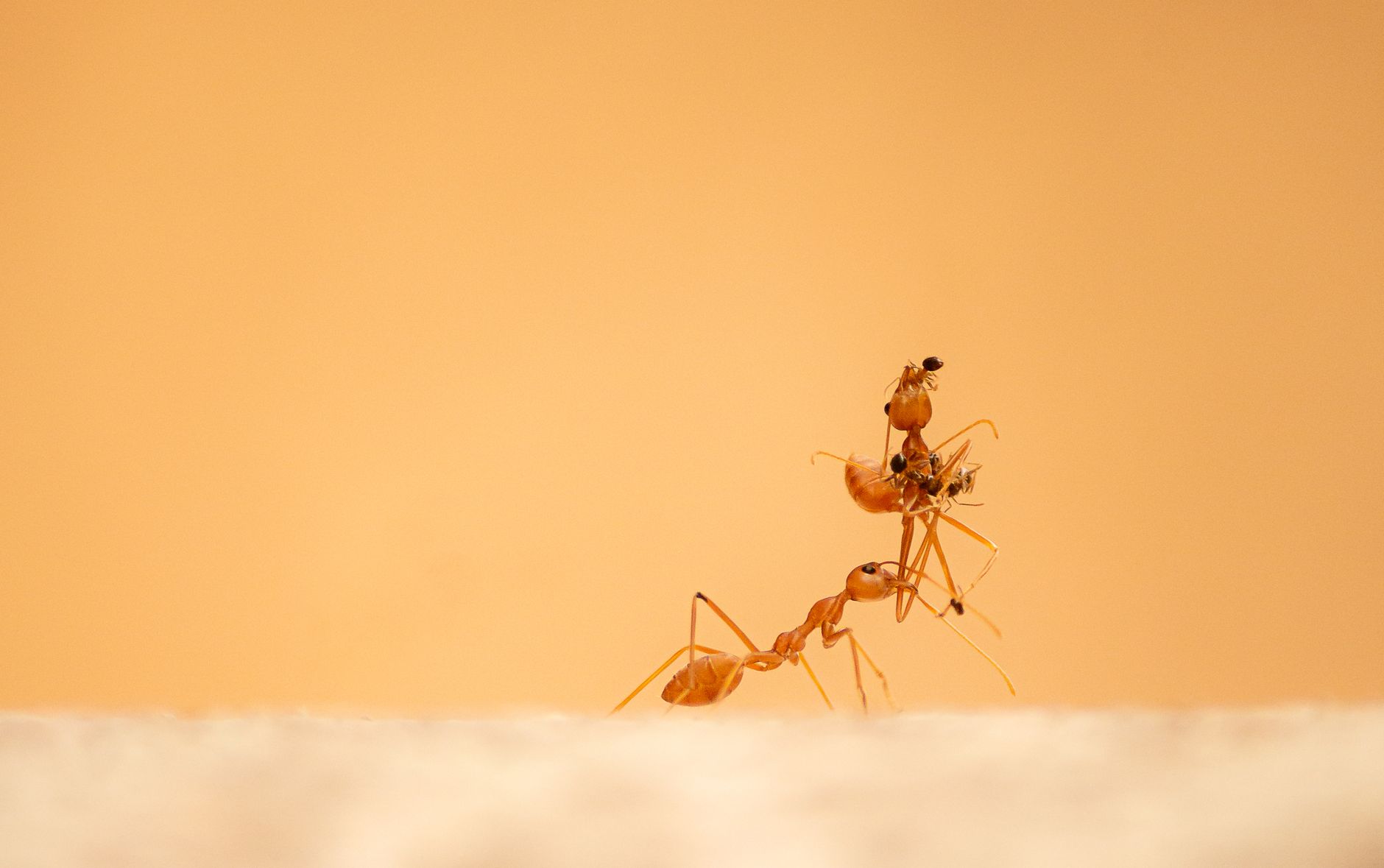
A surprising scene outside cone‑ant nests
It has been reported that in the deserts of southeastern Arizona researchers observed an odd, almost tender tableau: much larger harvester ants standing nearby with serrated jaws open and, instead of fighting, allowing much smaller cone ants to clamber over them. The little ants lick and nibble across the bodies of the giants, working in the joints and along the legs. Scientists say this is the first known example of one ant species cleaning a much larger ant — a behavior once thought reserved for cleaner fish and birds, not insects.
What might be going on?
Why would a giant ant gape and submit to a tiny groomer? The simplest idea is parasite control — a tiny toothbrush removing mites and debris — but mutualism, social tolerance, or an anti‑predator signalling handshake could be at play. It has been reported that researchers think this interaction may represent a previously undocumented form of interspecific cooperation among ants. Think of it as role reversal à la cleaner fish on a coral reef, but in sand and serrated jaws.
Bigger picture
The discovery nudges at a larger truth: ecosystems still surprise us, even in well‑studied places. If this is truly the first documented case of a smaller ant routinely cleaning a much larger one, it expands how scientists think about cooperation, body size asymmetry and social behavior in insects. It also begs the question — what other quiet, weird relationships are hiding at ground level, right under our boots?
Sources: sciencedaily.com, Hacker News
Comments