Anthropic’s Claude may require identity verification for some features
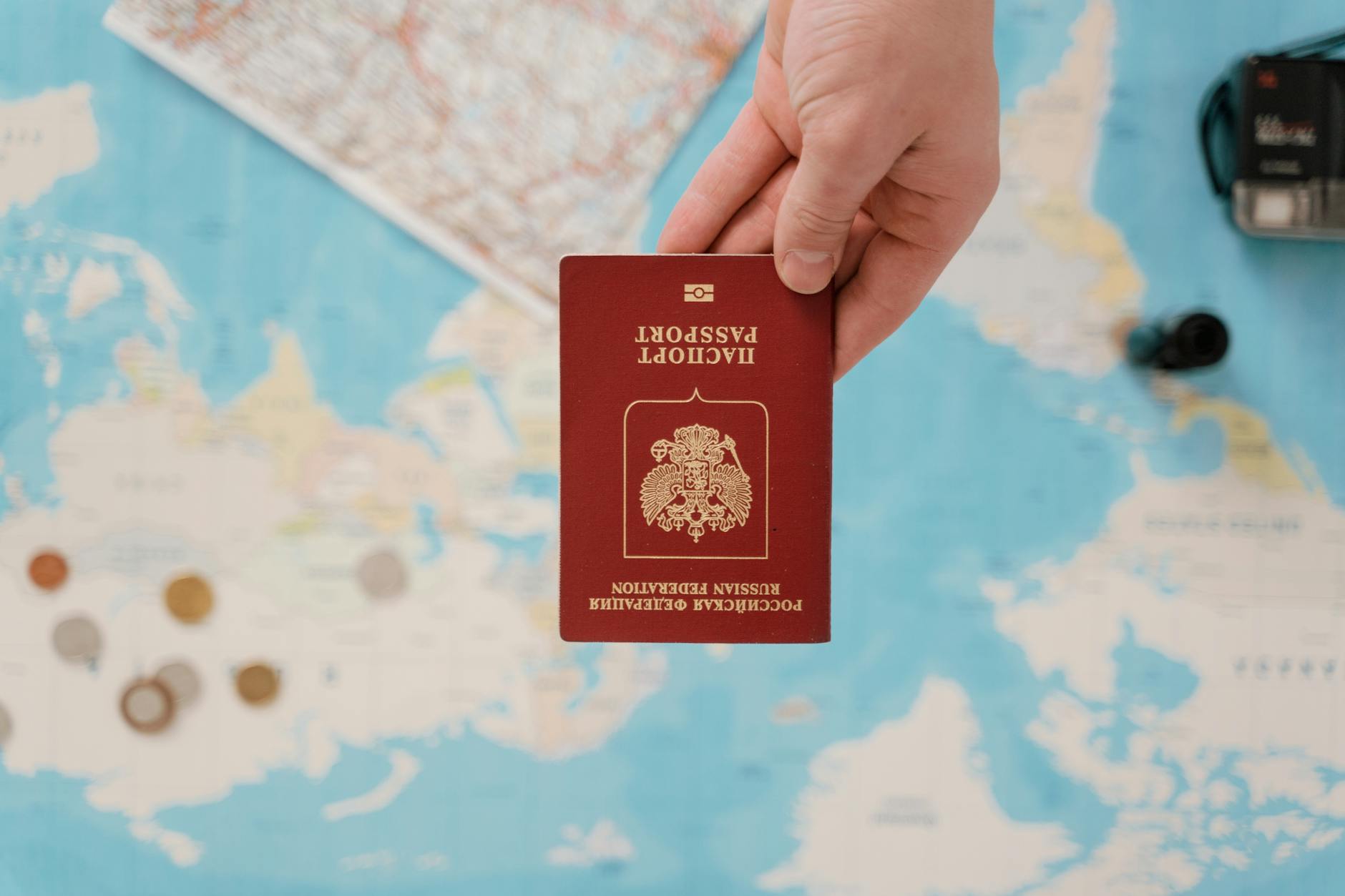
Anthropic is rolling out identity verification for its Claude models, saying the step is intended to prevent abuse, enforce policies, and meet legal obligations. You may see a verification prompt when accessing certain capabilities, during routine platform-integrity checks, or as part of other safety and compliance measures. It has been reported that the company selected Persona Identities as its verification partner.
What the check looks like
The verification flow asks users to present a physical, government‑issued photo ID (passport, driver’s license, or national ID) and take a live selfie with a phone or webcam. The company says the process typically takes under five minutes. Photocopies, scans, screenshots, digital/mobile IDs, student or employee badges, and other non‑government IDs are explicitly not accepted. If a verification attempt fails — due to a blurry photo, expired ID, or technical glitch — users can retry or contact support to appeal.
How Anthropic says your data will be handled
Anthropic states it is the data controller and that Persona will process and hold ID images on Anthropic’s behalf; Anthropic can view verification records through Persona’s platform when needed (for example, to review appeals). It has been reported that Persona is contractually limited to using the data only for verification and fraud prevention, and that all data sent to Persona is encrypted in transit and at rest. Anthropic emphasizes that verification data will not be used to train models, nor shared with third parties for marketing — except where legally compelled.
This is part of a broader trend: platforms are increasingly asking users to prove they are real people as AI services grow more powerful — but it raises tradeoffs. Who wants to flash a passport to run a text completion? Privacy advocates and some users have voiced concern about increased friction and potential misuse. It has been reported that reactions on forums like Hacker News range from cautious acceptance to frustration — and that tension is the emotional heart of this rollout: safety versus convenience, transparency versus trust. What price are we willing to pay for a safer model?
Sources: claude.com, Hacker News
Comments