Flock Safety says it’s just a processor — resident says “nope”
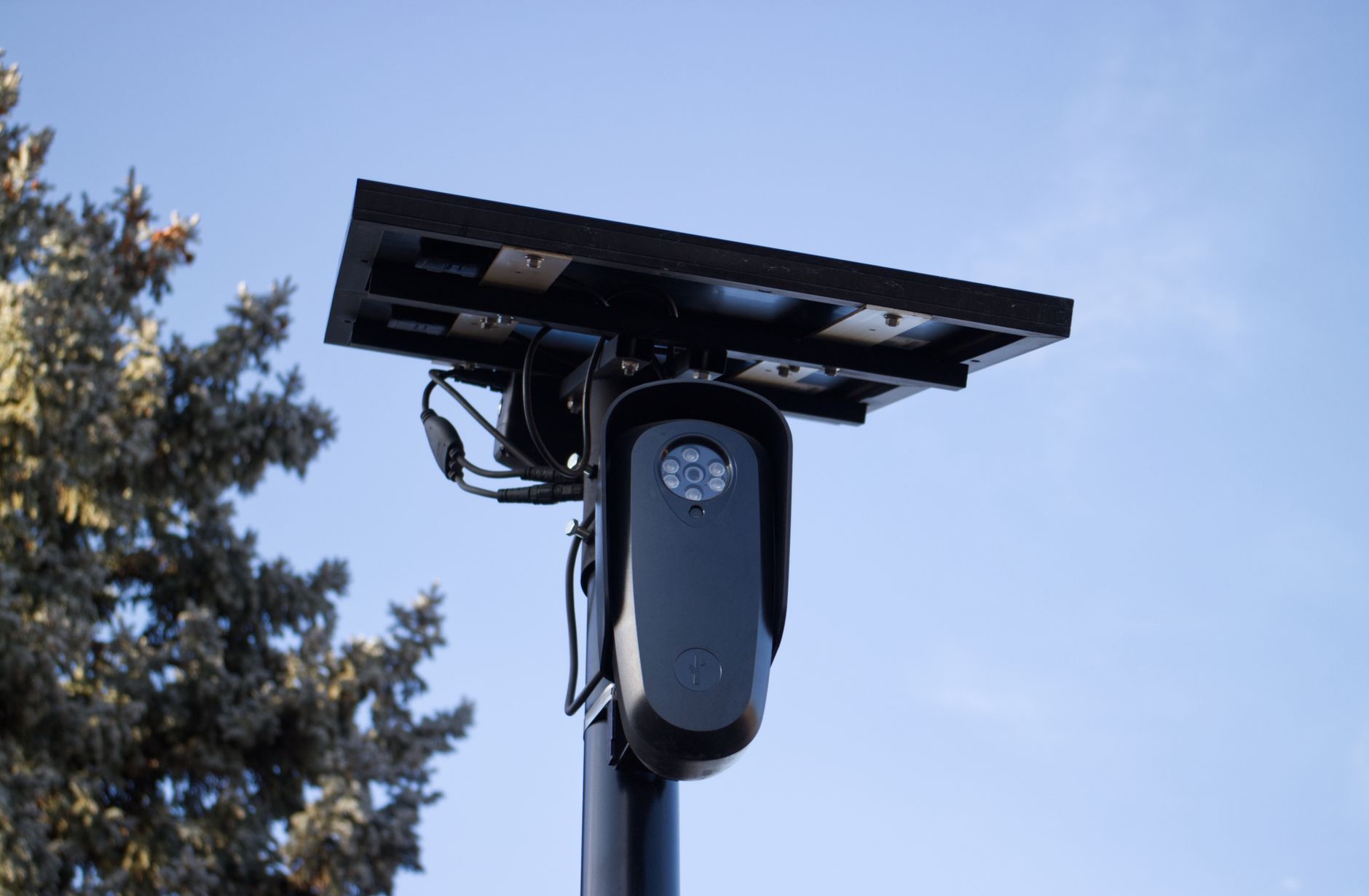
What happened
It has been reported that a California resident sent Flock Safety a formal CCPA opt-out and deletion request after discovering their license-plate reader data was being collected. The user demanded all personal information tied to them, their vehicle, and household be deleted. Their name was reportedly even misspelled in the reply — a small detail that seemed to sting more than it should.
Flock Safety’s privacy team, in a message shared by the resident, declined to comply directly. The company said it acts as a service provider and processor for its customers, who “own the data” and control how it’s used; Flock added that its systems default to a 30-day rolling retention, that LPRs capture vehicle characteristics rather than names or addresses, and that it does not sell the data. It has been reported that the resident disputes the company’s legal position and is considering further steps, including possible legal action.
Why this matters
Who is on the hook under the California Consumer Privacy Act? That’s the sticking point. Processors can’t simply wash their hands — contracts, local law, and practical data flows all matter. The emotional core here is clear: feeling surveilled and then told “we can’t help you” is infuriating. When your name is misspelled in a refusal, it undersells the seriousness and ramps up the distrust. Sound familiar? Think back to the Ring controversies — surveillance tech was sold as community safety, but it left people wondering: at what cost?
This is part of a larger trend. Automated license-plate readers and neighborhood surveillance systems are proliferating, and regulators and courts are still carving out who’s responsible when privacy rights are asserted. For now, individuals caught in the middle may have to knock on the doors of the customers who bought the service — police departments, HOAs, or private property managers — or test the law in court. Expect more fights like this as privacy laws meet real-world surveillance.
Sources: honeypot.net, Hacker News
Comments