'Yes to fields of wheat, no to fields of iron': how Denmark soured on solar
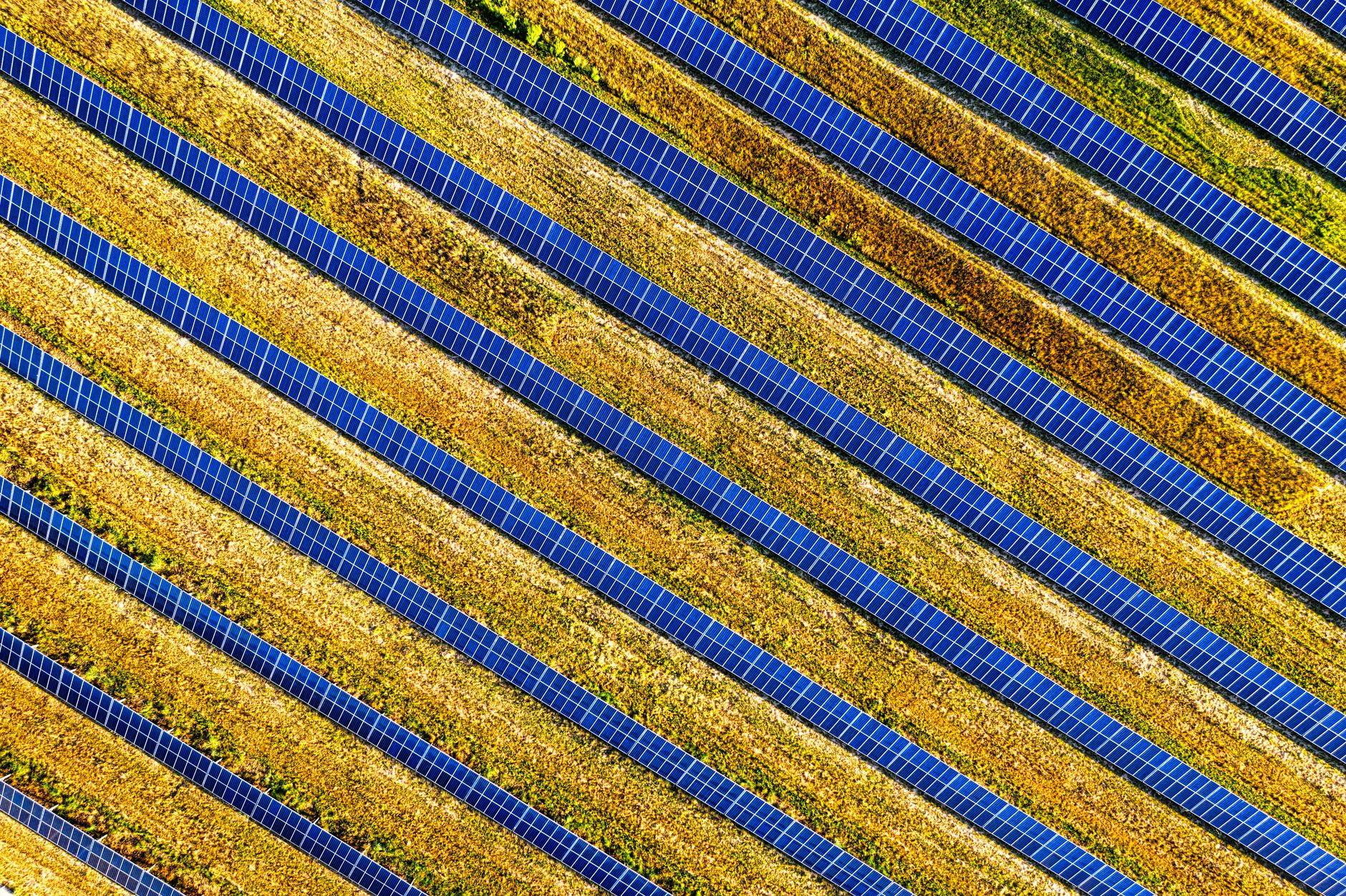
Denmark, long a poster child of the green transition, is suddenly wrestling with a surprisingly old-fashioned fight: what should the countryside look like? Solar has boomed — from roughly 4% of Danish power production in 2021 to about 13% in 2025 — and in places that boom looks like a ring of panels around your farmhouse. “We say yes to fields of wheat,” said Inger Støjberg, the leader of the Denmark Democrats, “and we say no to fields of iron!” It has been reported that drone shots of encircled houses have become an emotional shorthand for rural grievance: ugly, alien, imposed.
A backlash rooted in place
Opponents of large solar parks complain they scar the landscape, harm nature and allegedly depress local property values. Jernmarker — “iron fields” — was even voted Danish word of the year after the backlash helped sway municipal votes. It has been reported that the movement isn’t purely aesthetic: villagers say the rollout feels top-down, driven by urban planners and developers while the countryside pays the price. That sense of being squeezed is the key emotional moment here — not policy wonkery, but people who feel their home has been boxed in by progress.
Politics and projects hit the brakes
The pushback has real consequences. Municipal councils in Køge, Viborg and on the island of Samsø have pulled or halted planned parks, and appetite for new projects in solar heartlands like Ringkøbing‑Skjern has dried up. Lukas Slothuus, a climate politics researcher, told researchers that the Denmark Democrats provided “a clear vector to articulate that discontent politically.” It has been reported that the far right sees climate issues as a second front after migration — and has learned to weaponise local resentment.
Denmark still generates roughly 90% of its electricity from renewables and remains ambitious on emissions cuts. But national goals and local consent are diverging. Can a country that led the green charge reconcile hard targets with countryside sensibilities? That’s the question now racing through campaign halls and kitchen tables alike — and the answer will shape whether Denmark’s transition stays a model, or becomes a cautionary tale.
Sources: theguardian.com, Hacker News
Comments