Solar farms might be greening the desert — and yes, it’s as strange as it sounds
A surprising side effect, or a climate plot twist?
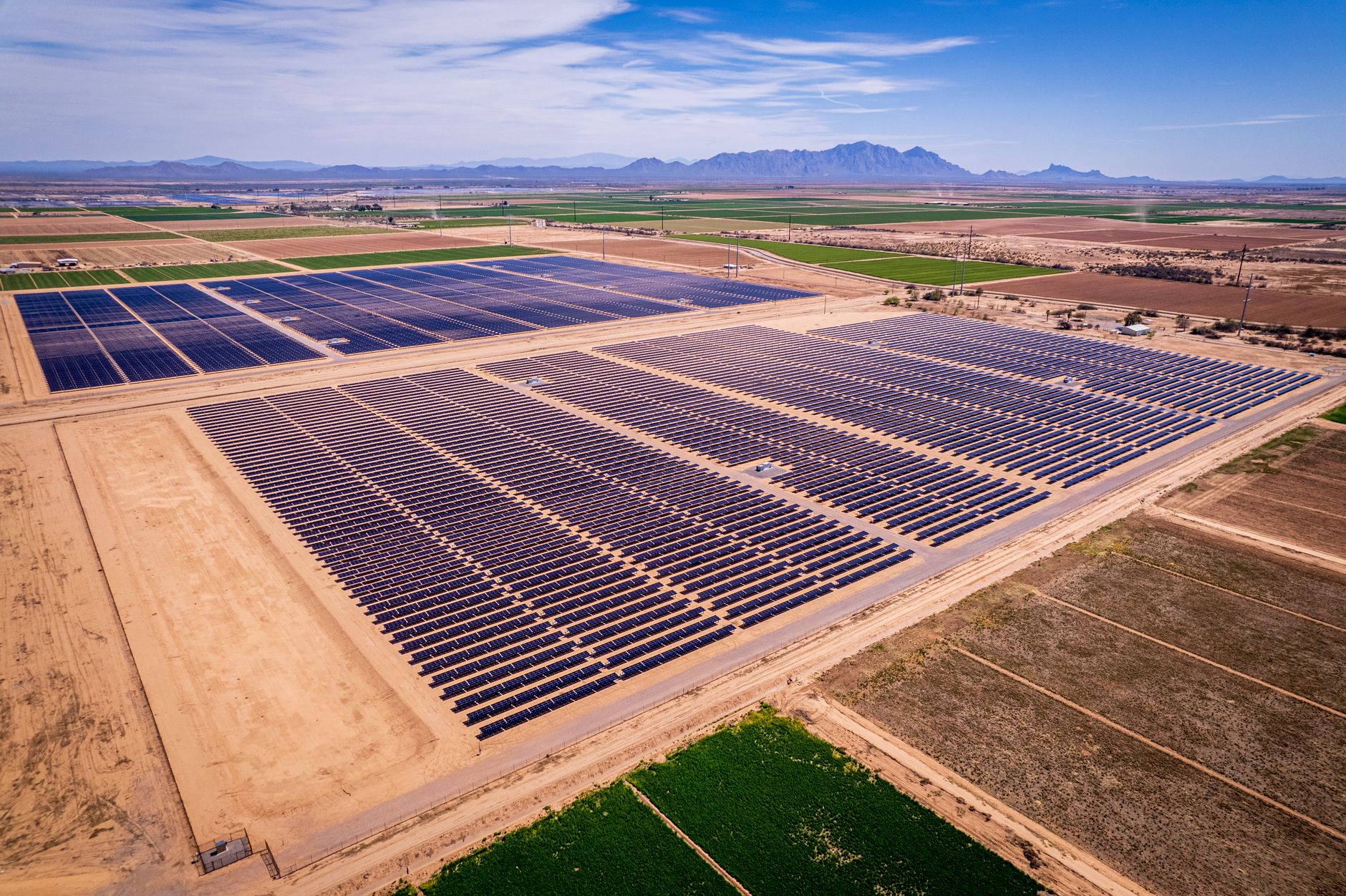
It has been reported that massive solar arrays in arid regions like the Sahara may be doing more than producing electricity: a study published in Science suggests those panels can change local climate and even encourage rainfall. Who’d have thought the same tech hailed to cut carbon could also be coaxing clouds into place? The finding reads like a good plot twist — clean energy that not only powers homes but helps stitch life back into parched landscapes.
How panels could make rain (allegedly)
Researchers say the mechanism is simple and subtle: large swathes of panels alter surface temperature, reflectivity and air flow. Cooler surfaces and altered updrafts can increase local convection and moisture condensation, producing conditions ripe for cloud formation; over time, that could form a positive feedback loop that boosts vegetation. The study models and observations stop short of grand promises, so the rainfall-and-oasis narrative remains a plausible, not proven, outcome.
Promise, trade-offs, and questions
If true at scale, the implications are huge: greening deserts could aid biodiversity, local livelihoods, and climate resilience — a neat add-on to the Paris-era push for renewables. But hold your celebration — large solar farms also raise land-use, ecological and social questions. Will new oases shift dust patterns, displace people, or invite ambitious geoengineering thinking? It’s an intriguing hint that technology can have unanticipated benefits, and a reminder that every solution brings trade-offs. How we weigh those trade-offs will decide whether this becomes a hopeful story or a cautionary tale.
Sources: ecoportal.net, Hacker News
Comments