Phyphox turns your smartphone into a pocket physics lab
What it does
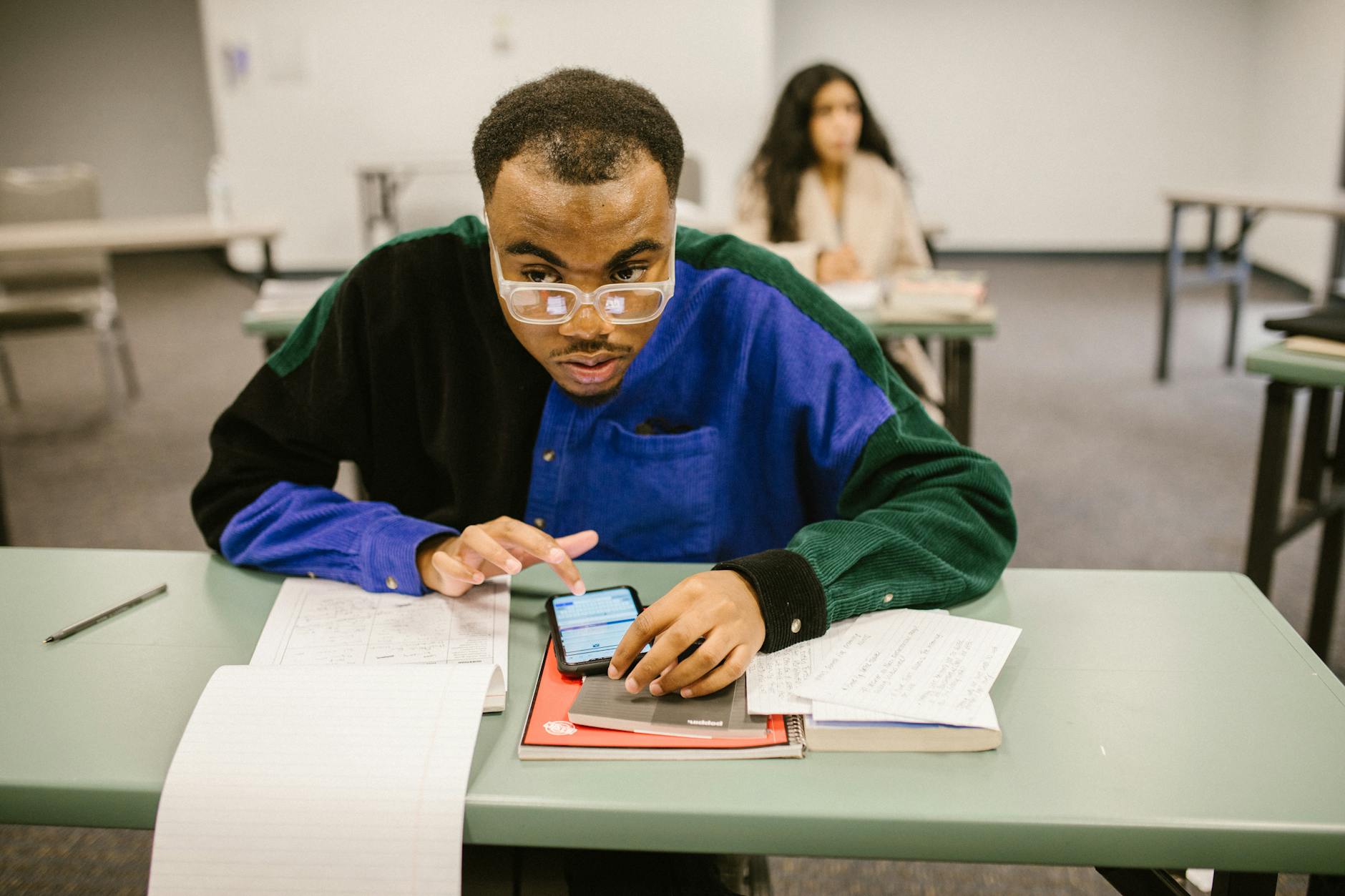
Want to do physics experiments without hauling a cart of equipment? Phyphox does just that — it turns the sensors inside your phone into a mobile lab. The app taps accelerometers, microphones and more to measure things like pendulum frequency or even the Doppler effect. Download it for free and start collecting data; no lab coat required.
Features that matter
Phyphox is more than a sensor reader. It exports data in common formats for deeper analysis, lets teachers and students control experiments from any web browser, and offers a web editor and Wiki so users can build custom experiments when the built-ins don’t cut it. It has been reported that recent additions include Bluetooth-enabled distributed experiments and tools aimed at classroom use, which makes it easy to push data straight from students’ phones to a teacher’s desktop.
Recognition and support
It has been reported that phyphox has picked up a string of teaching awards — including an Ars legendi-faculty award in 2020 and several teaching prizes in 2018–2019 — recognition that underlines its impact in education. The project is backed by RWTH Aachen University and supported by grants and foundations (the Hans Hermann Voss Foundation and BMBF among them), funding that has widened teacher training and development work.
Phyphox was developed at RWTH Aachen’s 2nd Institute of Physics by a small team — Sebastian Staacks, Christoph Stampfer, Heidrun Heinke and others — and it now sits squarely in the broader trend of using consumer devices for affordable, distributed science education. Could every classroom one day run lab work from students’ pockets? Seems less far-fetched than ever.
Sources: phyphox.org, Hacker News
Comments