US–Iran negotiations end with no deal reached
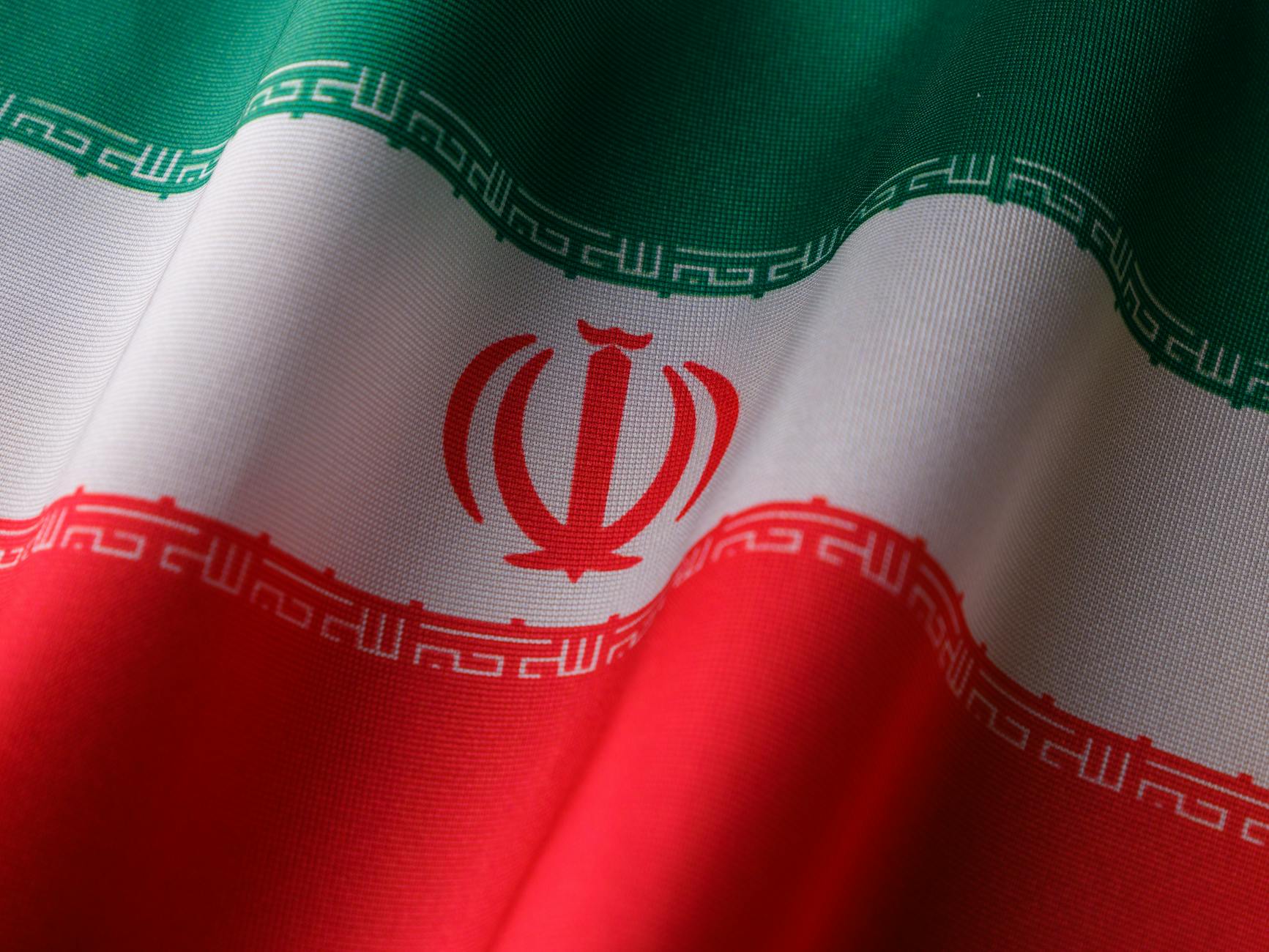
The talks and the collapse
U.S. and Iranian negotiators met for talks that it has been reported took place in Pakistan, but the sessions ended without an agreement. Officials on both sides framed the meeting as an attempt to dial down tensions — a last-minute attempt at containment, some called it — yet neither side walked away with a deal. It has been reported that proposals were exchanged, but sticking points remained sharp and unresolved.
Why it fell apart
What broke the talks? Short answer: trust. Longer answer: competing demands on sanctions relief, security guarantees, and detainee swaps, it has been reported, proved immovable. Allegedly, each side left convinced the other was asking for too much, offering too little, or both. The emotional core of the meeting was plain: negotiators wanted a way out of a dangerous spiral, but the room kept returning to old wounds. Frustration hung in the air. You could almost hear diplomacy sigh.
What happens next
With no deal, the risk of escalation grows — and not just in conventional terms. Analysts warn that a breakdown could push more activity into the digital sphere: cyber operations, influence campaigns, disruptions that are harder to trace and easier to deny. Sanctions and military posturing are the obvious levers, but the collateral effects on regional markets, energy prices, and global supply chains are also on the table. Is this a pause or a prelude? That remains the hard question.
The broader picture
This failure underscores a larger truth: diplomacy is messy, and high-stakes talks rarely produce clean endings. For citizens watching from afar, the moment feels alarmingly familiar — a near-miss that still leaves everything on a razor’s edge. For policymakers, the choice now is whether to return to the table with new creativity or brace for a longer game of attrition. Either way, the world is watching.
Sources: nytimes.com, Hacker News
Comments