Monsters in the Archives: Caroline Bicks on the Writing Secrets of Stephen King
A nervous meet-cute — with a twist
Caroline Bicks’s new book, Monsters in the Archives, is part archive-deep-dive, part craft study. It has been reported that Bicks — a Harvard‑trained Shakespeare scholar who took up a Stephen E. King professorship at the University of Maine — was initially warned not to initiate contact with King. She did, eventually, speak with him. And allegedly the man who terrorised her teenage reading life answered the phone like a teddy bear. Who saw that coming? The emotional pivot of the story arrives there: the woman who once slept badly after reading Carrie finds the author unexpectedly, disarmingly human.
Tiny words, big scares
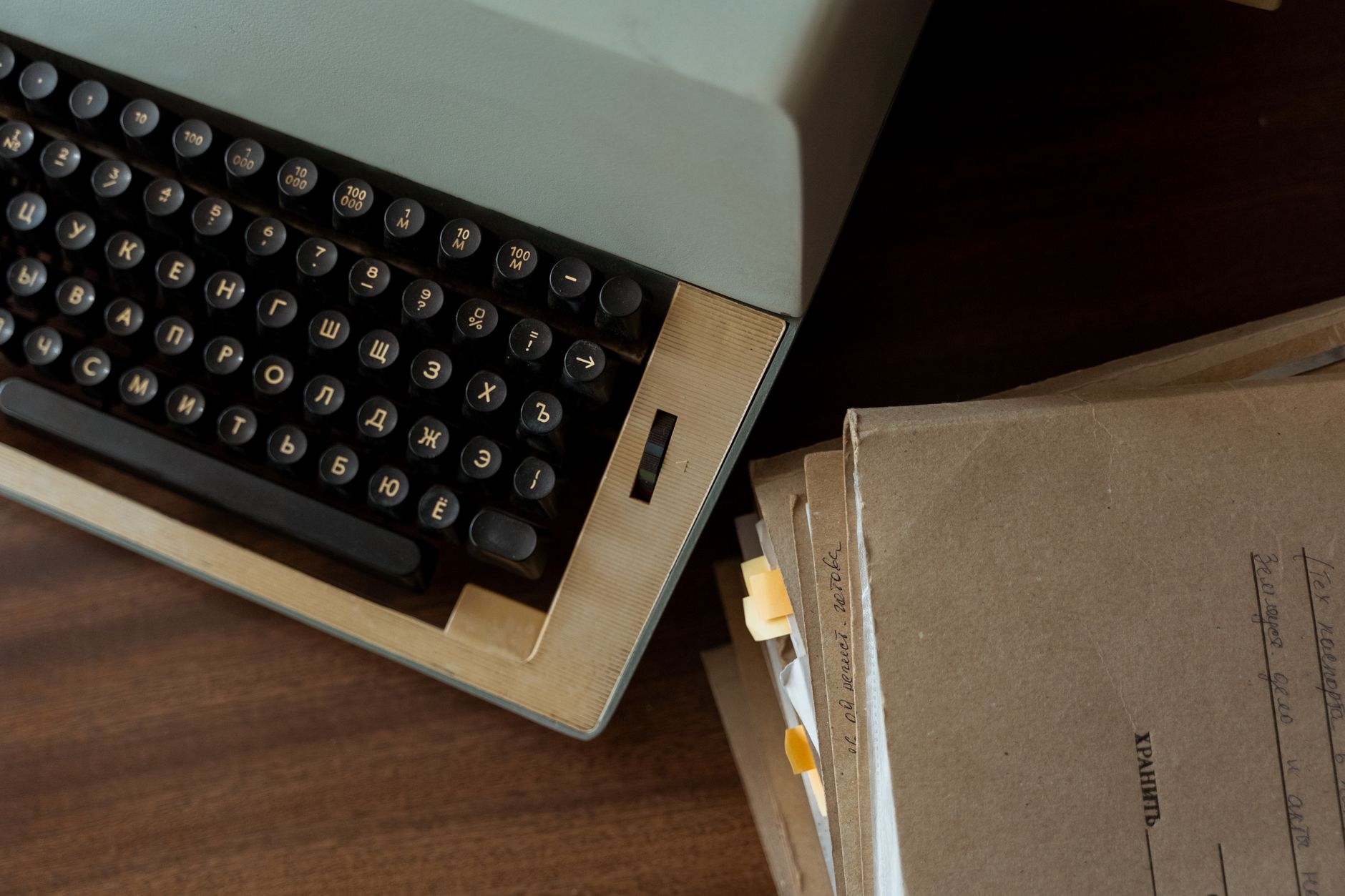
Bicks was granted access to King’s working papers and spent a year with typewritten drafts, marginalia and copy‑editor notes. It has been reported that the archive — attached to King’s Bangor house and kept by professional archivists — contains the messy substrate of his process: Olivetti‑tapped drafts, scrawled edits, and exchanges that reveal the author’s obsession with diction. Bicks hunts for what she calls King’s “biblio‑magic”: the tiny lexical choices that make bodies react. The book lingers over edits like “fingerbones clittered” (preferred over a cruder “clatter”) and the stubborn defence of “rattly” against a suggestion of “congested.” These are small, surgical moves. They haunt.
Why it matters
According to a Guardian review of Bicks’s work, the result is not hagiography but a portrait of craft: pedantry, penny‑pinching, and, allegedly, a near‑total redraft of Carrie. The takeaway is tidy and a little startling — that great genre writing is often the product of patient, sometimes nitpicky labor, not just flashes of dark inspiration. Want to scare someone effectively? Pick the exact wrong syllable. Bicks’s book is a reminder that even monsters are stitched together word by careful word.
Sources: theguardian.com, Hacker News
Comments