Phone Trips
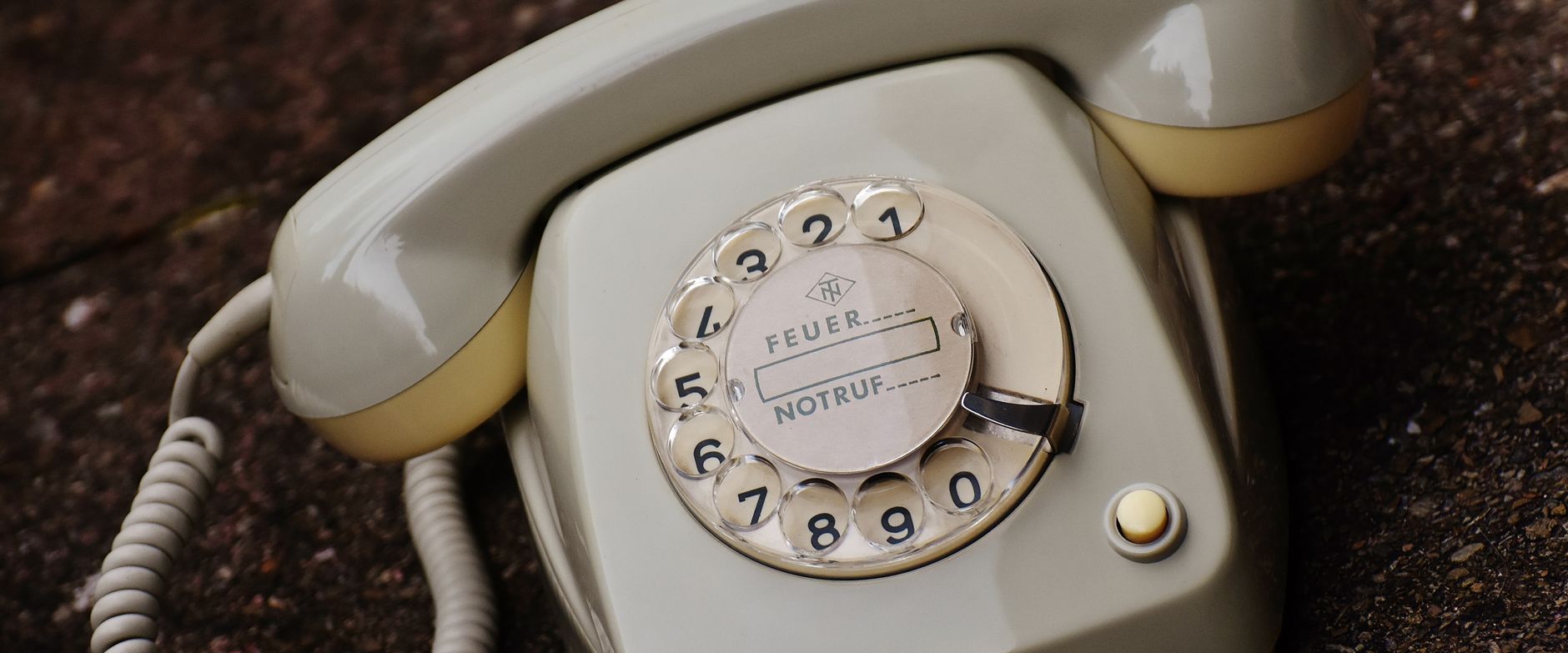
What is PhoneTrips?
A long-running archive of vintage phone-phreak recordings has resurfaced online at wideweb.com/phonetrips, and it has been reported that all recordings on the site are now available in MP3 format so modern browsers can stream them without special software. The site — a curated trove of dial tones, pay‑phone antics and narrated “phone trips” — includes a note that fan STN converted the files. Play, right‑click and download; simple as that.
The page points listeners to the people behind the tapes. Follow Mark Bernay at @phonetrips and Evan Doorbell at @evandoorbell for updates. It has been reported that Doorbell’s archive includes new and updated material that will be moved over eventually, and in the meantime his YouTube channel hosts the most up‑to‑date collection.
Why it matters
Evan Doorbell is presented as a classic phone tripper and phone phreak who allegedly recorded hundreds of hours of material in the 1970s from home phones and payphones across the United States. His narrated tapes — from skits and joke lines to technical demos and the now‑famous Group Bell “Dom Tuffy” pieces — read like a time capsule of pre‑digital telephony and hacker culture. There’s even a 1972 conversation between the young Doorbell and a Telco security agent, offered with narration that frames the prankishness and the era’s ethics: they were curious, not malicious.
This is part nostalgia, part preservation. Museums in Seattle and New England still run electromechanical switches like the ones you hear on these tapes; hearing them is like hearing the creak of a vintage car engine. Why does this matter now? Because as physical telephony disappears and online archiving becomes the norm, these recordings document the sound, humor and DIY ethos that helped shape modern hacker culture — from Captain Crunch whistles to today’s maker‑scene podcasts. Go listen. You might find the past stranger — and more human — than you expected.
Sources: wideweb.com, Hacker News
Comments