The Great Majority: When Cities Dug Up Their Dead to Teach Medicine
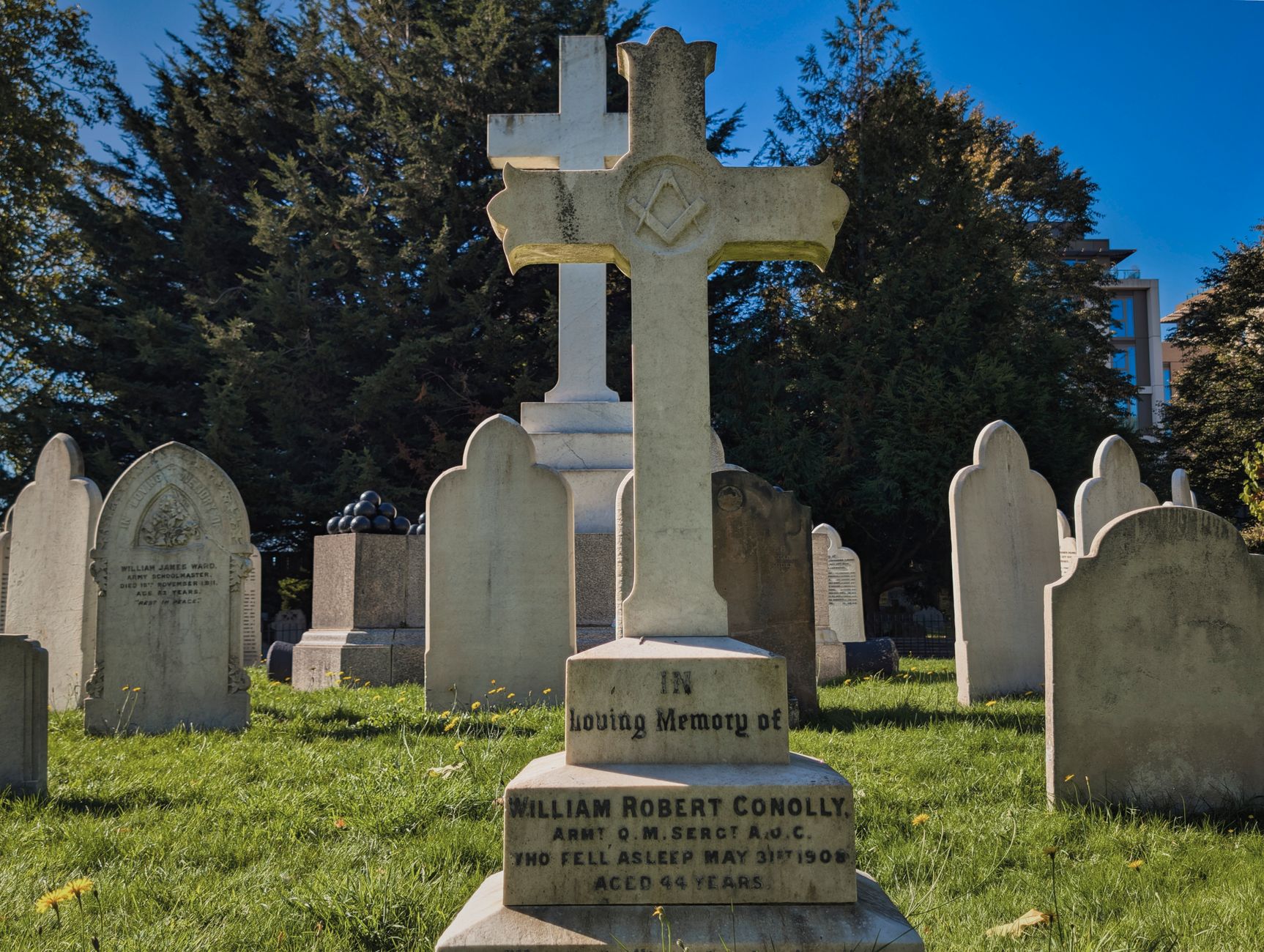
Overflowing graves, rising streets
As Britain urbanised between roughly 1780 and 1850, churchyards stopped being restful green spaces and started to look, and smell, like ticking public-health problems. Cities ballooned — Manchester, Liverpool, London — and their church cemeteries filled until earth heaved above the pavements. People feared more than grief: miasma theory held that “bad air” from putrefying bodies spread disease. The image is arresting: streets hemmed in by humps of graves; neighbours peering over fences and thinking, Who’s next? The emotional hook is plain — not only was death ever present, it felt contagious.
Resurrection men and the anatomy trade
It has been reported that the shortage of legally available cadavers for medical schools helped spawn a lucrative, illicit trade. “Resurrection men” dug up recent burials and supplied anatomy theatres with bodies at a price. Allegedly, respected anatomists sometimes turned a blind eye; an 18th‑century engraving even shows the Scottish anatomist William Hunter fleeing a body-snatching scene. The public outrage that followed — equal parts revulsion and fascination — fed Gothic culture. Mary Shelley’s Frankenstein dramatised those fears: the laboratory as a graveyard, modern science trespassing on sacred borders.
Reform, religion and the long fight for decent burials
Change wasn’t just about digging deeper; it was political and cultural. Church fees, class shame, and the sanctity of consecrated ground slowed reform. Pauper graves became the dumping grounds of the poor, while reformers pushed alternatives: larger municipal cemeteries, better burial practices, and legal reforms in the 1850s that undercut the resurrection trade. The crisis sits at an odd intersection — public health, medical progress, religious sentiment — and reminds us how urban modernity forces ugly compromises. In short: the rise of the city made death a civic problem, and Britain’s messy, sometimes grotesque response reshaped how we bury the dead.
Sources: publicdomainreview.org, Hacker News
Comments