Combining spicy foods with mint boosts anti-inflammatory effects 100x or more
What researchers report
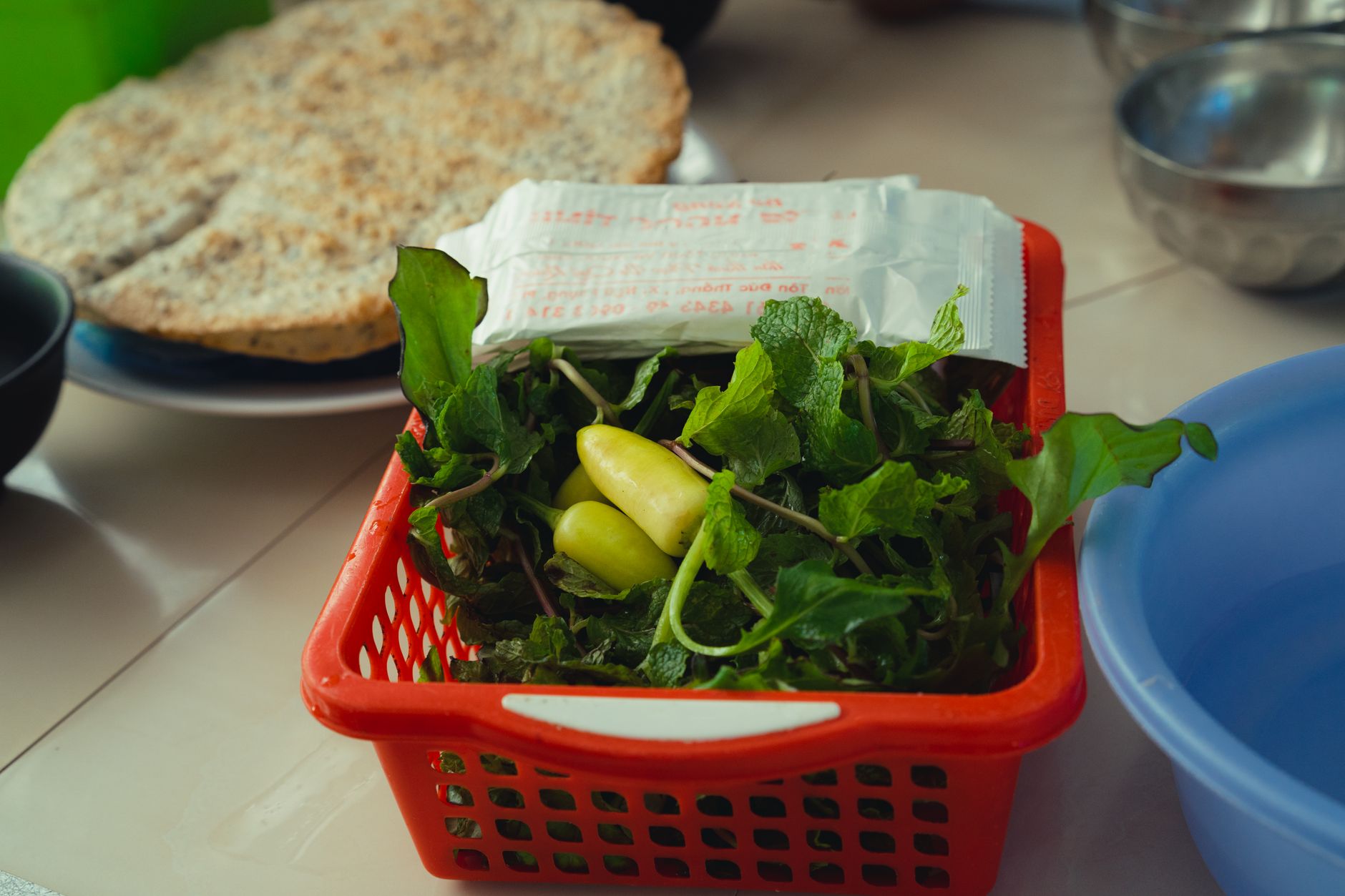
It has been reported that pairing common plant compounds — think capsaicin from chili peppers with menthol (mint) or 1,8‑cineole (eucalyptus) — can amplify anti‑inflammatory effects by 100‑fold or more in laboratory tests. The claim comes from a team led by Professor Gen‑ichiro Arimura at Tokyo University of Science and published in the journal Nutrients. On paper, the combination drastically reduced TNF‑α release from activated macrophages, a key marker of inflammation. Big numbers. Big excitement.
How the study was done
The work was done in vitro using murine macrophages stimulated with lipopolysaccharide (LPS) to mimic an inflammatory response. Researchers tested menthol, 1,8‑cineole, capsaicin and β‑eudesmol alone and in combination, measuring gene expression, protein output and calcium signaling. They also probed transient receptor potential (TRP) channels as a likely mechanism — these membrane proteins help control calcium fluxes that shape immune cell behavior. Capsaicin was the strongest actor solo; the knock‑out punch came from certain pairings.
Why you should care — and why to hold your horses
If the effect translates to humans, the idea that everyday spices can interact inside cells to meaningfully dial down chronic inflammation would be huge. Diet as medicine is a story people love: turmeric got its turn, now maybe mint + chili? But this is early‑stage, cell‑culture work in mouse cells. Dose, bioavailability and human metabolism matter — a petri dish isn’t your pantry. So don’t swap your meds for seasonings just yet.
The takeaway
This study adds molecular detail to a centuries‑old intuition: combinations of plant compounds can act together, not just add up. It’s a neat piece of “kitchen chemistry” that merits human trials. Until then, enjoy your food — maybe a little more boldly — but treat headlines of 100x effects with a healthy pinch of skepticism.
Sources: scitechdaily.com, Hacker News
Comments