Intel 486 CPU announced April 10, 1989
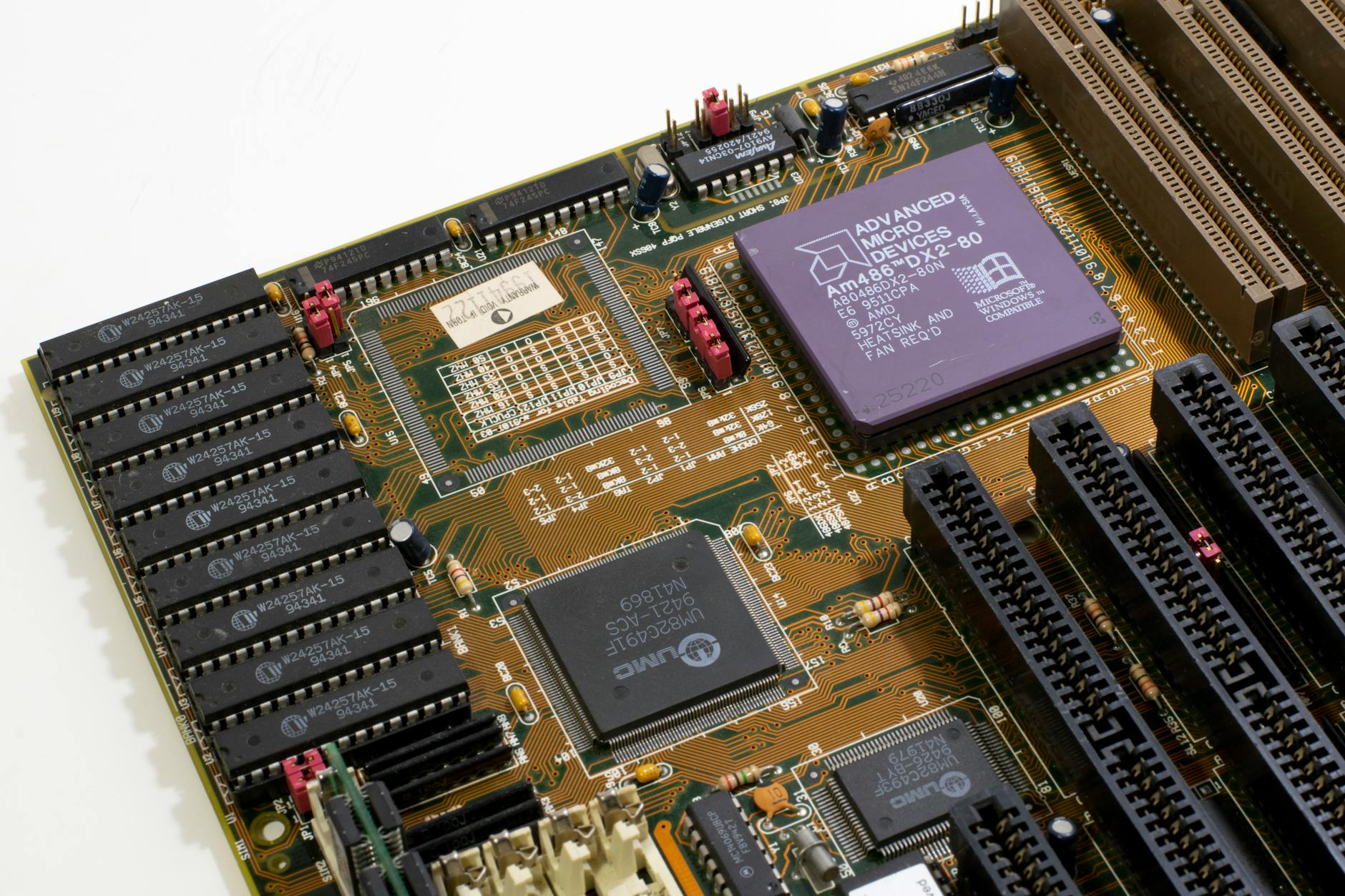
Announcement and specs
Intel pulled the curtain back at Comdex on April 10, 1989 and introduced the 486 — a chip that packed 1.2 million transistors and folded in a 387 math coprocessor, cache controller and 8K cache onto a single die. It was fast. It was pricey. It has been reported that Intel priced the CPU at $950 each in quantities of 1,000; system prices, initially, were staggering — it has been reported that some 486 systems were expected to cost $10,000 to $15,000. Production didn’t hit full stride until June, and vendor Apricot announced the first 486 PC in June and shipped by September.
Early reaction and legacy
Early press ran the gamut from cautious optimism to “do we really need this?” Infoworld columnists noted the chip felt like a supercharged 386 — two to three times faster at the same clock rate — and questioned whether a 100 MIPS machine had anywhere to go if it was only running spreadsheets. One analyst warned the sixfold jump in clock speed seen in the 1980s wouldn’t repeat. That prediction didn’t age well: Moore’s Law marched on, and CPU clocks and core counts continued to surge in the decades that followed. Intel marketing allegedly predicted 50–60 MHz within two years — a bold claim, but not impossibly so.
The emotional pivot came later, when software finally caught up. Windows 3.0 gave that extra horsepower somewhere to run — graphics, multitasking, a GUI that actually benefited from a faster CPU. In short: the 486 didn’t revolutionize computing overnight, but it handed the industry meaningful headroom. And yes, for a little while there you could buy a five‑figure computer. That’s humbling — and a nice reminder that what counts isn’t raw speed on a spec sheet, but the apps that make people care.
Sources: dfarq.homeip.net, Hacker News
Comments