A name is succession, legacy and celebration in Japan's Kabuki theater
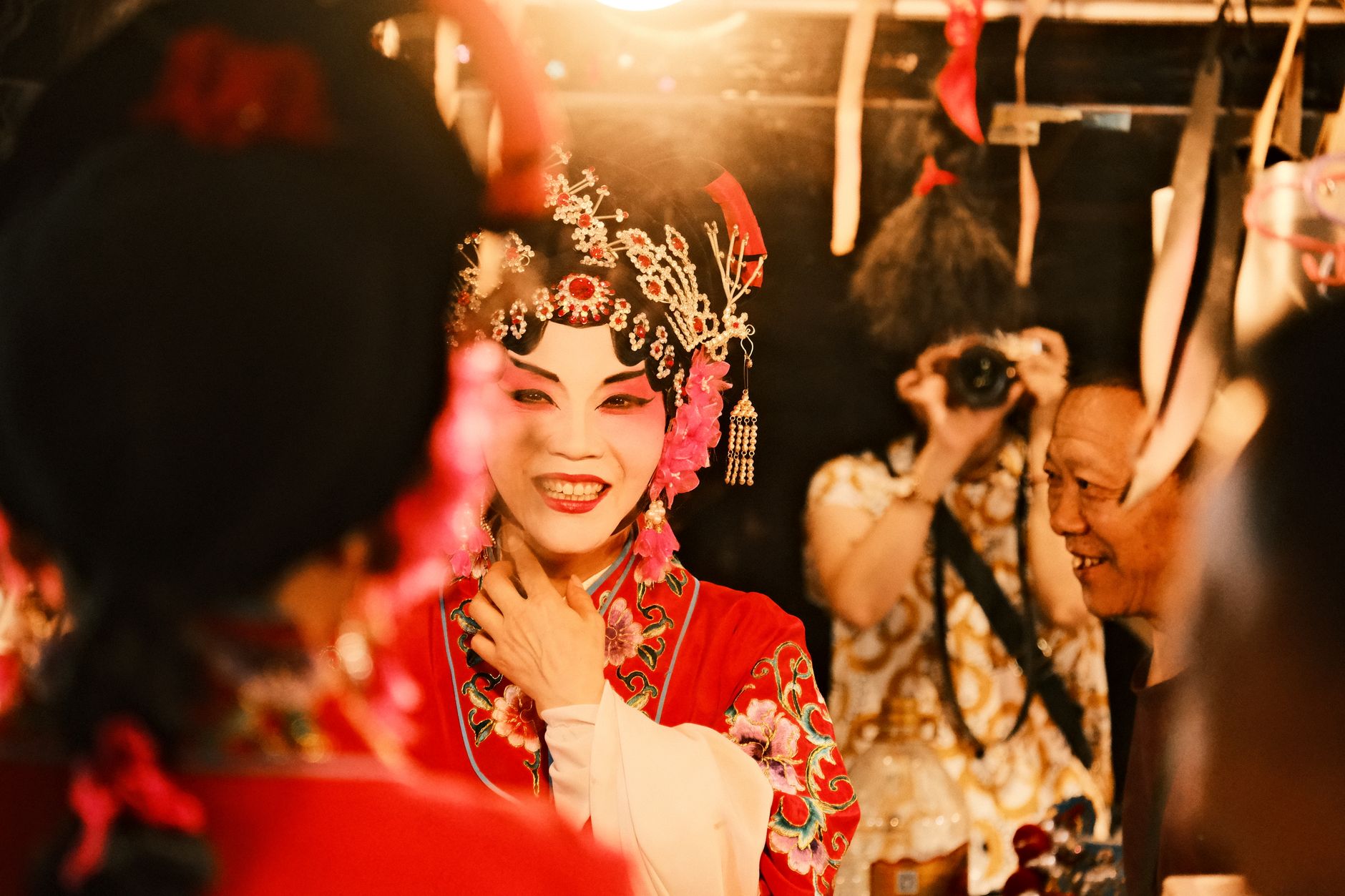
A sacred ritual
In Kabuki, Japan’s traditional theater art dating back to the 1600s, a name is far more than a label. It is a mantle, a repertoire, a reputation — and it is passed down in ceremonies that bind family, craft and audience together. It has been reported that the eighth Kikugoro has just received that honor from his 83‑year‑old father, in a ceremony that marks both continuity and renewal.
Legacy handed down
The practice is old as the art itself: names are numbered, recycled and conferred to signal rank and the right to perform specific roles. Think less corporate title change and more anointing — the sort of rite that hands a lifetime’s worth of roles, technique and stage identity to a successor. The name carries expectations; it carries history. Who gets it matters.
More than a name
It has been reported that the moment was both solemn and celebratory — family pride mixed with the tiniest, unavoidable public theater. There’s the emotional punch in that handover: a father surrendering a public identity to a son, an audience watching tradition keep beating. It’s equal parts private vow and public spectacle, like passing a baton in a relay that’s lasted centuries.
Why it matters
In an age of fast culture and streaming everything, Kabuki’s naming ritual is a stubborn, beautiful thread of continuity. It asks a simple question: how do you preserve craft while time keeps moving? For now, that answer arrives in a name — honored, numbered and carried forward.
Sources: apnews.com, Hacker News
Comments