Apple's new iPhone update is restricting internet freedom in the UK
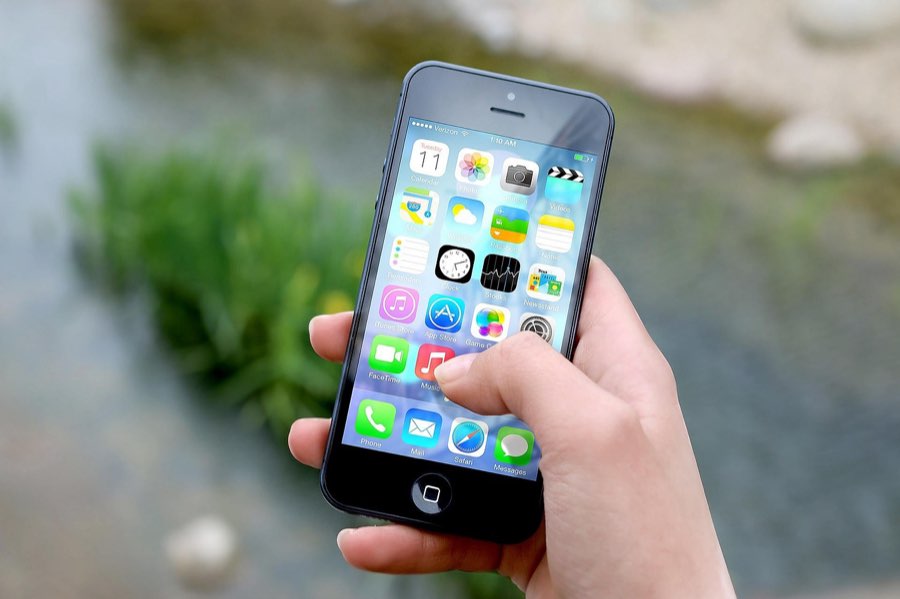
It has been reported that Apple’s iOS 26.4 quietly flips a switch for UK users that many won’t notice until they hit a blocked site: the update allegedly adds mandatory age and identity checks at the operating‑system level. What used to be an opt‑in set of parental controls now appears to be on by default, and it has been reported that the only other places where Apple has rolled out similar measures are South Korea and Singapore — countries not known for fully unrestricted internet access.
What changed?
It has been reported that Apple has automatically enabled system‑wide web content filtering and AI‑powered “Communication Safety” tools in iOS 26.4. The controls allegedly apply across browsers and apps, not just Safari, and will only be lifted for users who verify their age using methods Apple accepts. That verification list, it has been reported, includes long‑held Apple accounts, credit cards, certain government IDs or PASS scheme cards — but not passports or debit cards, and not the small subset of widely held IDs many people rely on.
Why this matters
Millions of adults risk being treated like children by default. It has been reported that at least one in three adults lack a credit card, around one in five don’t hold a driving licence, and many Apple accounts were created long after 2008 — all facts that Big Brother Watch says could leave large swathes of people locked behind restrictions. Is this sensible child protection, or a blunt instrument that chips away at privacy, equal access and freedom of expression? The gut punch here is everyday adults finding their devices effectively child‑locked unless they hand over ID.
What happens next?
Big Brother Watch has written to Apple demanding the ID checks be dropped, and it has been reported that critics warn this sets a dangerous precedent for digital ID and device‑level censorship. Apple has not, in the reporting, offered an explanation that satisfies privacy advocates. Whatever your politics, this feels like a watershed moment for device governance — and a reminder that convenience or “safety” baked into systems can come at the cost of basic access. Who gets left behind when tech decides for everyone?
Sources: bigbrotherwatch.org.uk, Hacker News
Comments