Emperor penguin and Antarctic fur seal moved to Endangered on IUCN Red List
What happened
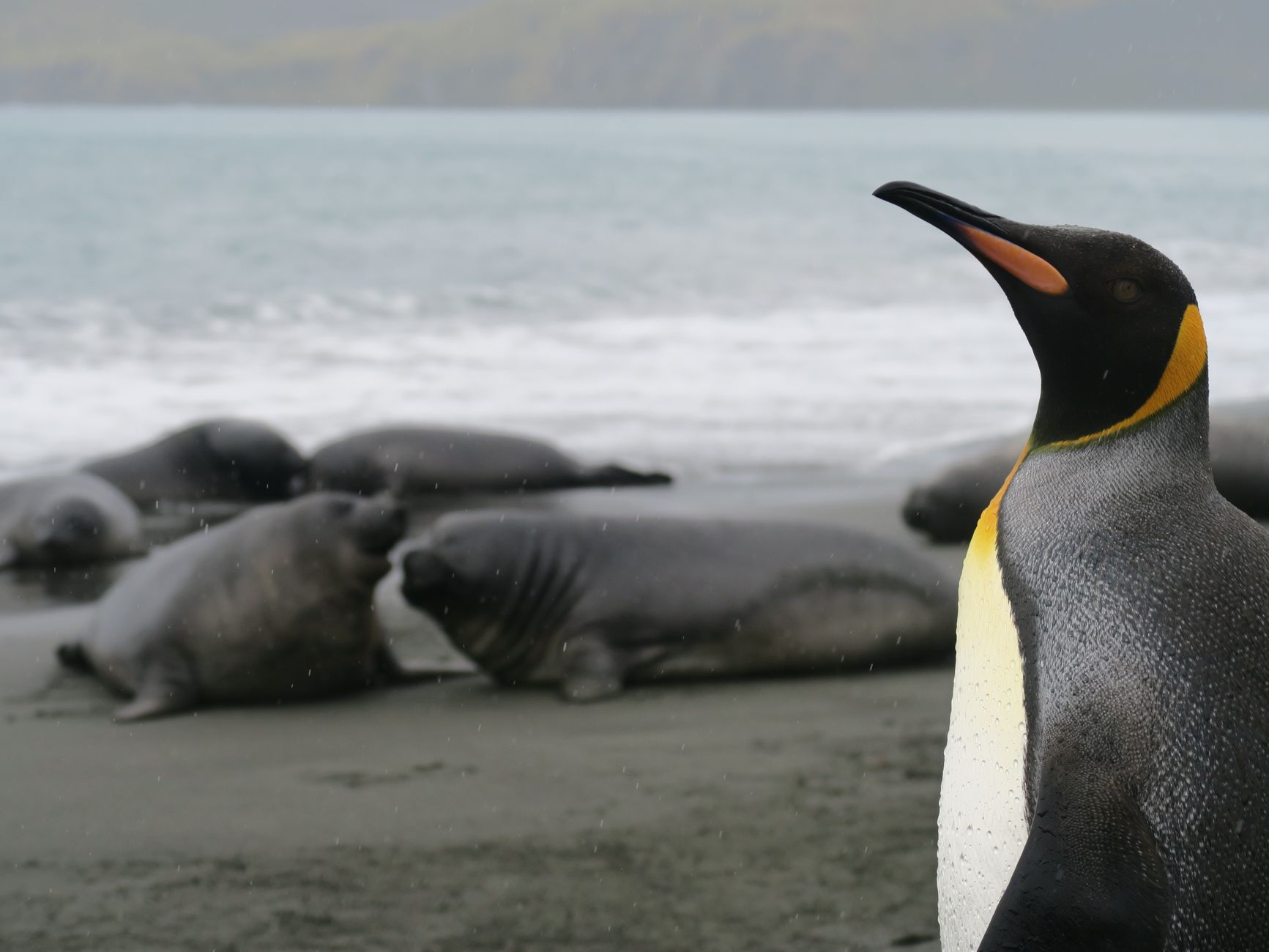
It has been reported that the IUCN has upgraded the conservation status of two iconic Antarctic species: the emperor penguin (Aptenodytes forsteri) and the Antarctic fur seal (Arctocephalus gazella) are now listed as Endangered on the IUCN Red List. The change reflects warming-driven shifts in sea-ice and prey that are already reshaping life at the bottom of the world. The southern elephant seal has also been moved to Vulnerable, with disease cited as an increasing threat.
The details
The IUCN assessment projects the emperor penguin population will halve by the 2080s if greenhouse gas emissions continue on current trajectories; satellite counts already suggest roughly a 10% loss between 2009 and 2018 — more than 20,000 adults. For Antarctic fur seals, reduced food availability has allegedly driven a roughly 50% decline since 2000. Fast ice loss, earlier spring break-up and cascading effects on breeding, feeding and moulting are all fingered as primary drivers. In short: the habitat these animals depend on is literally melting away.
Why it matters
This is not just a biology bulletin. Emperor penguins are a canary in the coal mine for polar climate shocks — a vivid, heartbreaking signal that the planet’s “frozen guardian” is being weakened. With nations gearing up for the Antarctic Treaty Consultative Meeting in May, these assessments land as urgent policy ammo: decarbonise now or watch more species slide toward extinction. It’s stark, it’s urgent, and yes — it should make us sit up and pay attention. What will we do next?
Sources: iucn.org, Hacker News
Comments