Where does all the milk go?
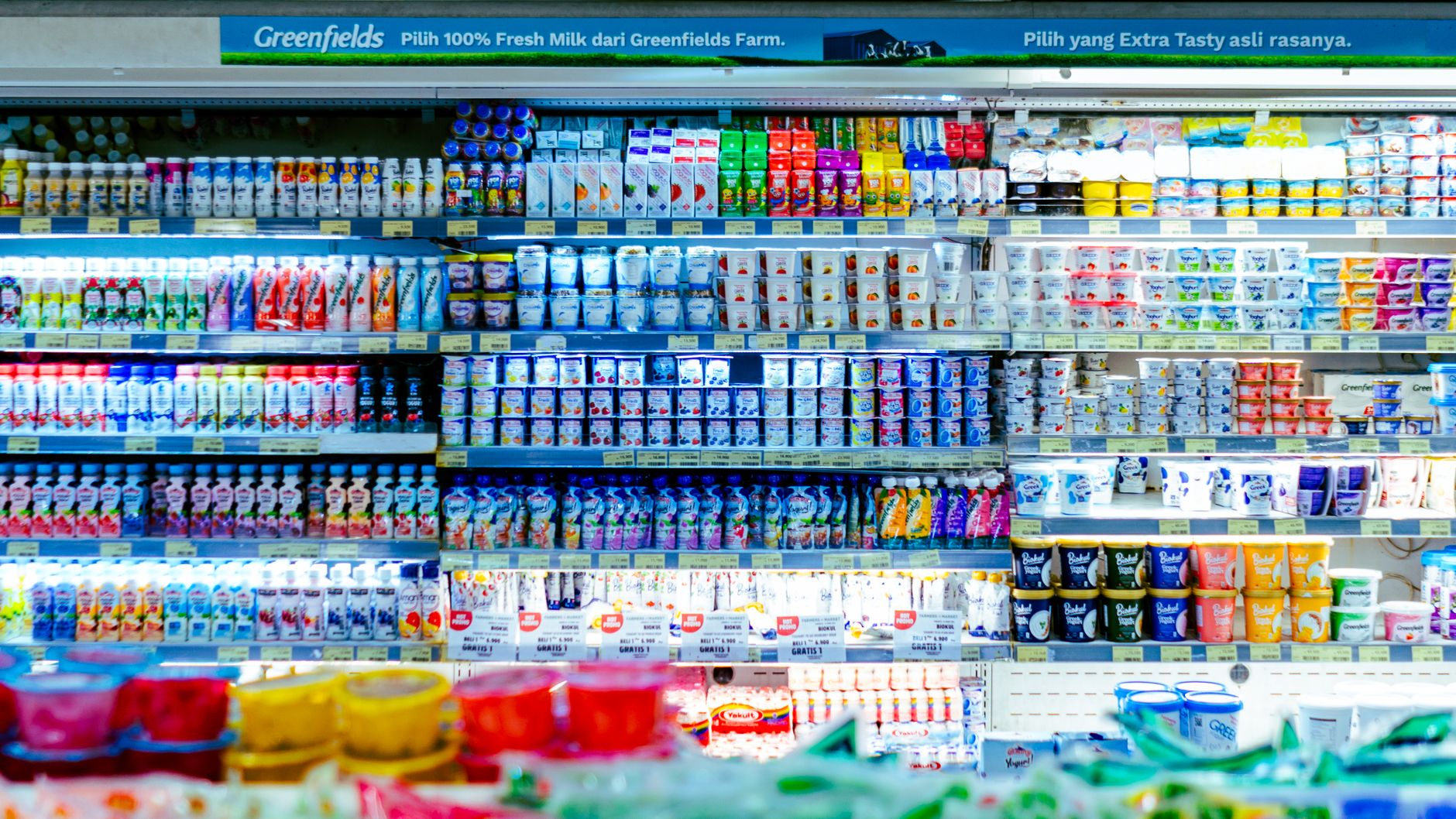
A simple shock at the supermarket
It has been reported that the most productive dairy cows can yield about 50 litres a day — which, by the writer’s math, means a 1.5L carton takes roughly 43 minutes to produce. Surprising? Sure. But the real jaw‑dropper came in the dairy aisle: yoghurt, butter, cream, condensed milk, powder, ghee… all from the same white liquid. The writer’s small moment of wonder — standing between tubs of fromage and tubs of gelato — is the emotional core of this story. Who knew a humble carton could hide a manufacturing rabbit hole?
From cow to carton (and beyond)
Milk doesn’t just travel from udder to fridge. Raw milk is cooled, clarified and tested; it has been reported that it’s then separated in a centrifuge into skim milk and cream, and that simple fork is where the industrial branching begins. Standardisation tucks fat back in to hit target percentages, pasteurisation (HTST or UHT for long‑life cartons) kills pathogens, and homogenisation keeps the cream from floating to the top. Short version: a few mechanical steps turn a perishable farm product into dozens of stable ingredients.
One liquid, many factories
The cream stream is the obvious route to butter, light creams and whipped products. The skim stream becomes cheese, yoghurt, milk powder, lactose and more — and then there are hybrids like condensed milk and ghee. It has been reported that this single input eventually branches into 50+ commercial products. That’s not just food creativity; it’s supply‑chain strategy. Manufacturers chase value by turning volume into variety.
Why you should care
If one cow can make a lot of milk fast, why does milk cost what it does? Because safety, processing, packaging, transportation and the many value‑added products between udder and supermarket add complexity and expense. Also, consumer tastes and regional trends — think UHT cartons in Europe and Asia versus refrigerated bottles in North America — shape how milk gets turned, sliced and sold. Next time you grab a carton, ask yourself: are you buying milk, or buying a tiny slice of an industrial tree?
Sources: dhanishsemar.com, Hacker News
Comments