US cities are axing Flock Safety surveillance tech as privacy backlash grows
City rollbacks pick up steam
It has been reported that dozens of U.S. cities have suspended or deactivated contracts with Flock Safety since the start of 2026, as residents and elected officials push back against what they call a sprawling surveillance network. In Bend, Oregon, months of public pressure allegedly forced the city to end its contract earlier this year; Flock’s license-plate cameras were shut down and the police partnership ended. Who wants a camera at every corner? Apparently a lot of people do not.
Federal access and the ICE controversy
Flock grabbed headlines last year amid broader crackdowns involving Immigration and Customs Enforcement. It has been reported that Flock does not have an official federal contract, but law enforcement agencies can — and, according to advocates, do — share data with federal departments like ICE. A study from the University of Washington’s Center for Human Rights found that at least eight Washington agencies shared Flock networks directly with ICE in 2025, and 10 more allowed “backdoor” access without explicit permission. Public anger grew when feel‑good Super Bowl ads about finding lost dogs failed to shield the company from scrutiny; Ring cut ties after the backlash, the final straw for some communities.
The tech: cameras, drones, and competing promises
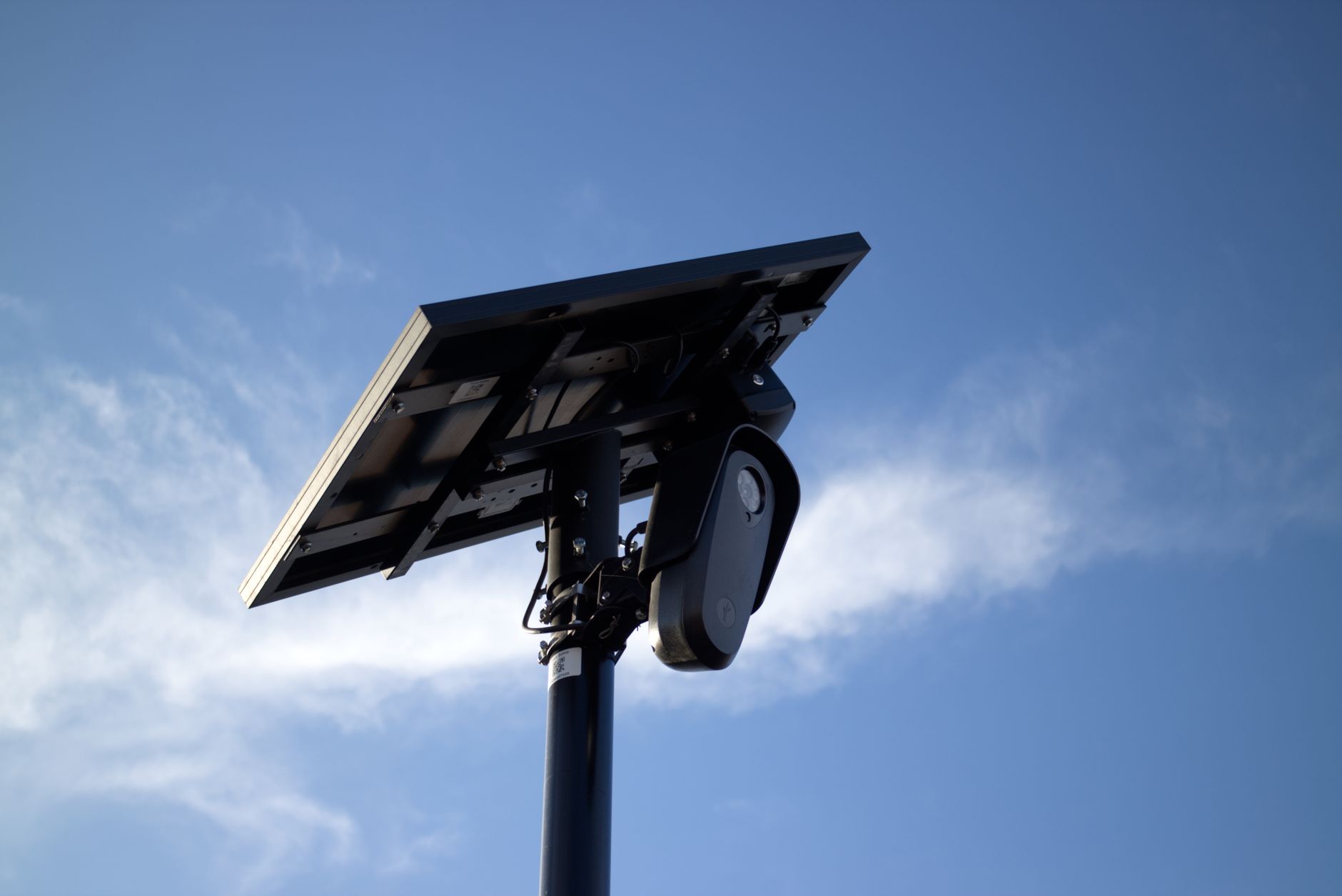
Flock started with automated license-plate readers (ALPRs), marketed to deter theft and solve violent crimes. The company says its systems reduce property and violent crime, but privacy advocates beg to differ. Lately Flock has expanded into broader camera tech and a “Drone as First Responder” platform — drones that can reach roughly 60 mph, launch in response to 911 calls or gunfire, and follow vehicles or people. That capability reads like science fiction until you think about who decides when and how to use it. Allegedly, some jurisdictions can access or share this footage without robust oversight.
What’s next for cities and communities?
The emotional core here is simple: residents demanded limits, and some cities listened. Neighborhoods and HOAs can contract for ALPRs without much fanfare, so many people learn only after the poles go up. With state laws around drone use and data sharing still patchy, more municipalities are rethinking contracts or demanding stricter rules. Expect more debates, more audits, and probably more headlines — because once the cameras are up, the policy fight has only just begun.
Sources: cnet.com, Hacker News
Comments