Trump announces two-week ceasefire as Iran says talks to begin
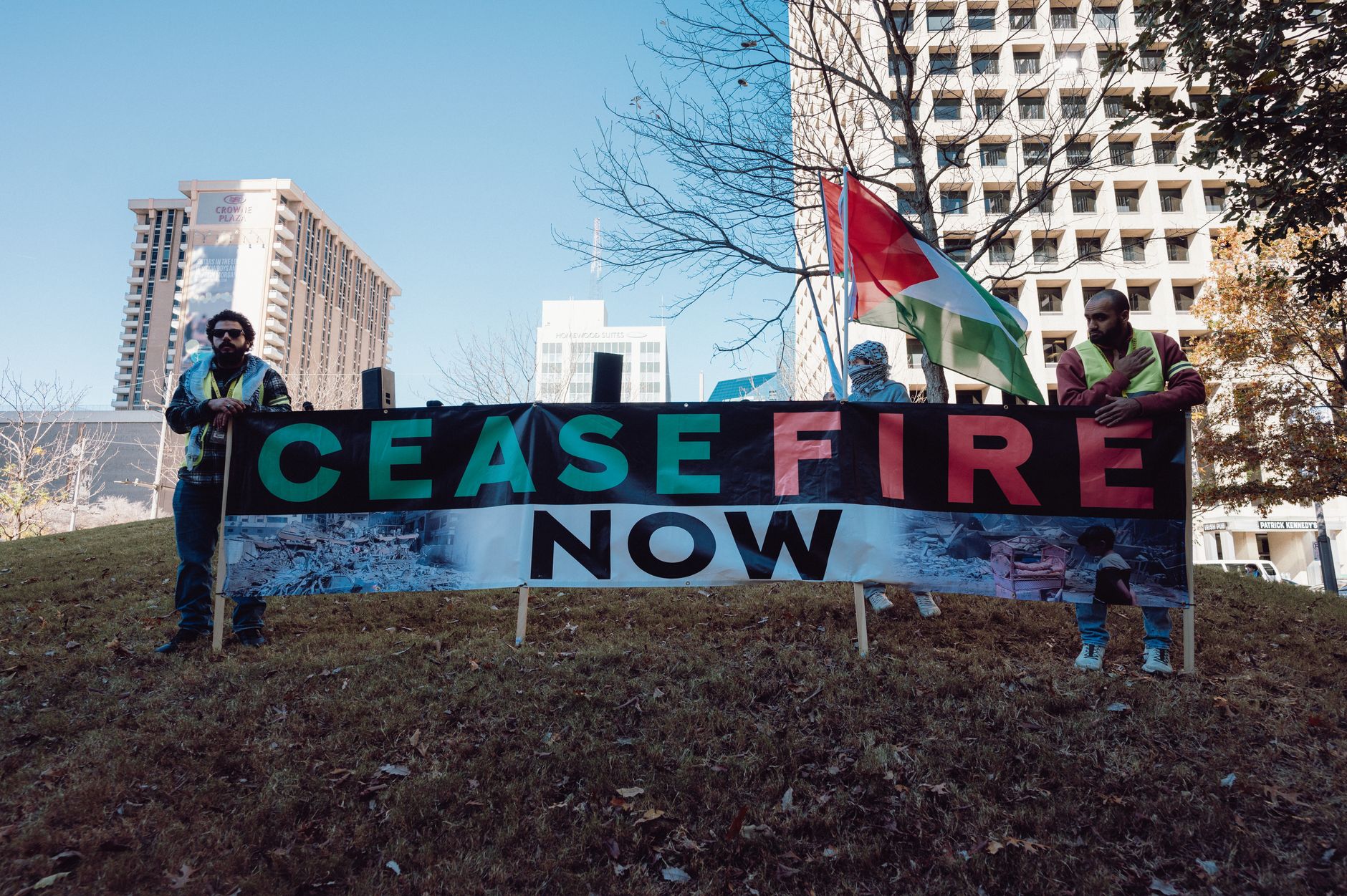
Ceasefire declared, for now
It has been reported that former President Donald Trump announced a two-week ceasefire aimed at halting recent escalations in the Gulf and reopening diplomatic space. The move — sudden and dramatic — set a 14-day window for hostilities to pause and for the key shipping lane through the Strait of Hormuz to be steadied. Optimism? Tentative. Skepticism? Plenty. After months of tit-for-tat strikes and high-wire brinkmanship, a short truce feels like a reprieve more than a solution.
Tehran's reaction and the start of talks
It has been reported that Iran said negotiations would begin, even as elements of the proposed deal were publicly rejected in Tehran. Allegedly, Iranian officials signaled willingness to enter talks while pushing back on some of the ceasefire’s conditions — a classic diplomatic two-step. So we have a pause, and we have a promise to talk. But promises in this neighborhood can be fragile.
Stakes and the next act
The region — and global energy markets — are watching. The Strait of Hormuz is not just a strip of water; it’s an artery for oil flows and a pressure point for global economies. Will two weeks be enough time to build trust? Probably not. But it could buy breathing room, tamp down a spike in oil prices, and give mediators a chance to thread a needle. If history is any guide, the hardest part will be translating a ceasefire into durable diplomacy.
What to watch
Keep an eye on the practical mechanics: who shows up to the talks, whether attacks stop on the ground and at sea, and whether third-party mediators can hold the parties accountable. A brief calm is welcome. Yet for skeptics, the question hangs in the air: will this be the pause that leads to peace, or just the calm before the next round?
Sources: reuters.com, Hacker News
Comments