12,000 tonnes of orange peel turned a barren Costa Rican pasture into a jungle
The odd experiment
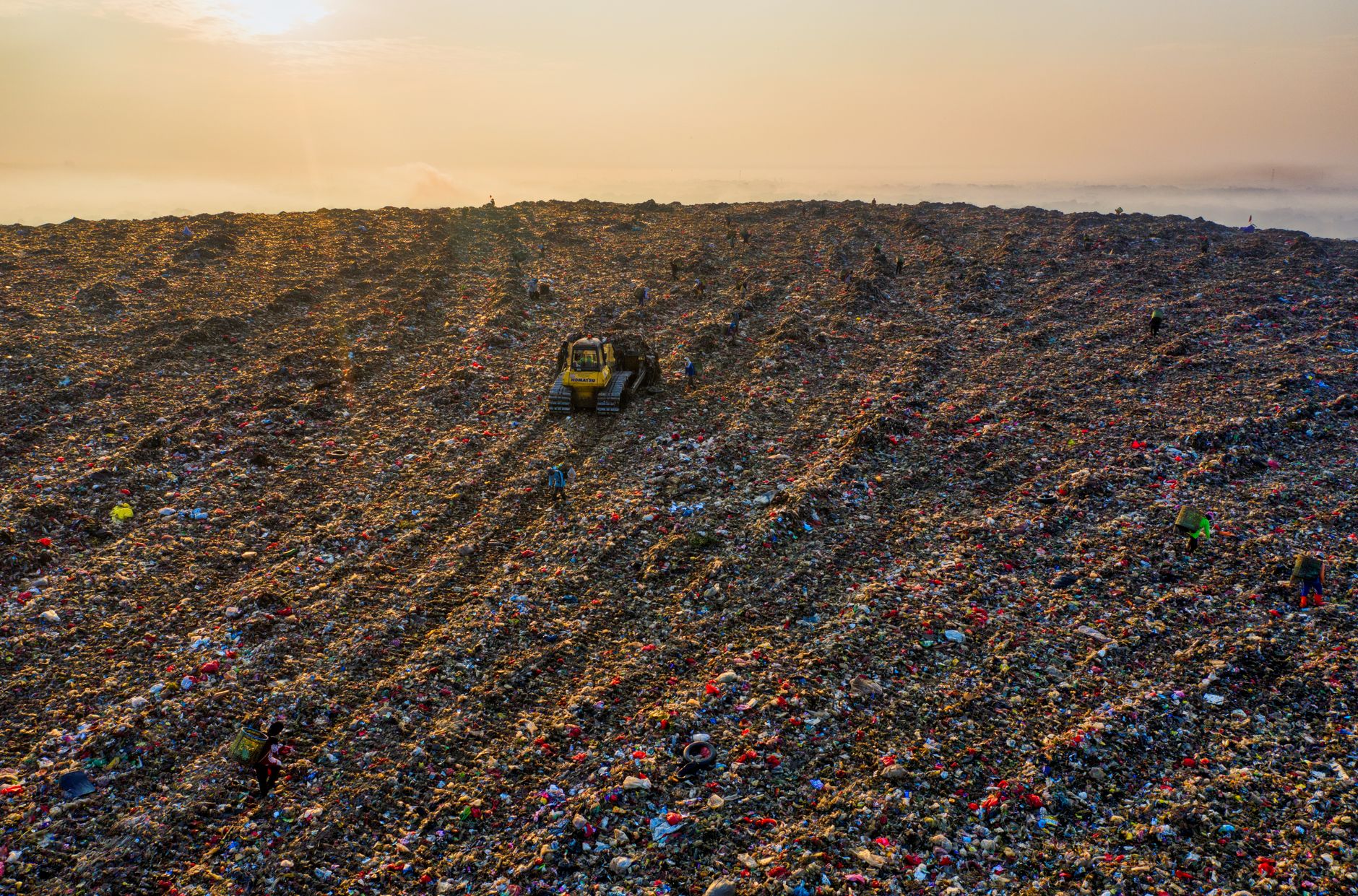
What started as a pragmatic waste deal became an ecological plot twist. In the late 1990s, Princeton-linked ecologists Daniel Janzen and Winnie Hallwachs negotiated with juice company Del Oro to deposit waste orange peel on a degraded 3-hectare pasture bordering the Guanacaste Conservation Area. It has been reported that roughly 12,000 tonnes — about 1,000 truckloads — were dumped on the site, and within six months the citrus detritus had been transformed into a dark, loamy soil. Timothy Treuer, who later studied the plot, described the early stages as “sludgy stuff filled with fly larvae” that then passed into rich compost.
A surprising rebound — and a big question
When Treuer returned in 2013 he nearly missed the site: vines had swallowed the sign, and the once arid scrub had become dense forest. It has been reported that the treated area showed a 176 percent increase in above-ground biomass compared with nearby untreated land, with greater tree diversity and even a massive fig trunk that took three people to hug. “This is one of the only instances I’ve ever heard of where you can have cost-negative carbon sequestration,” Treuer told reporters — a striking claim, and one that raises the obvious question: how did orange peel do what expensive restoration projects often fail to achieve?
Messy victory, careful optimism
The experiment was cut short after legal pressure: it has been reported that rival juice maker TicoFruit sued Del Oro alleging the company had “defiled a national park,” and Costa Rica’s Supreme Court sided with TicoFruit, forcing the program to end. The mechanism behind the comeback remains unclear — suppression of invasive grasses, nutrient pulses, microbial shifts, or some combination of these might be responsible — and researchers warn this isn’t a turnkey recipe for restoration. Still, the episode offers a bracing counterpoint to conventional wisdom: waste, when handled right (and legally), can sometimes be a surprising ally in healing ecosystems. Nature had the last laugh — and left a puzzle worth solving.
Sources: sciencealert.com, Hacker News
Comments