Iran Is Not Blocking the Strait of Hormuz. It's Running a Toll Booth
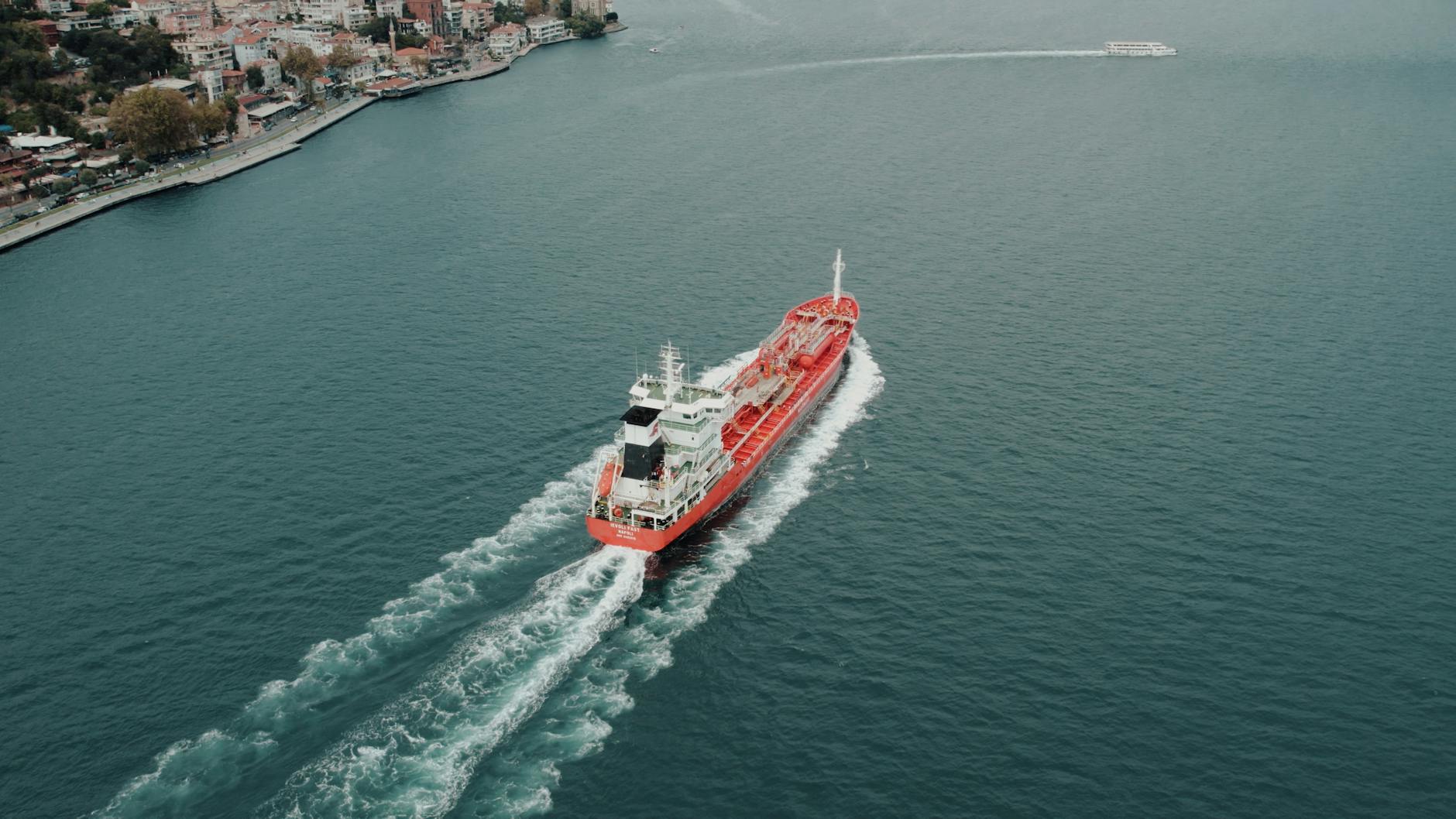
The new rules of the road
On March 26 Iran’s deputy foreign minister announced ships from five “friendly nations” could transit the Strait of Hormuz; since then it has been reported that the list quietly expanded to include Turkey, Malaysia, Thailand, the Philippines, a single French CMA CGM vessel, and one Japanese Mitsui OSK LNG tanker. The United States and Israel are reportedly barred, and countries that imposed unilateral sanctions face the same prohibition. This is not a blockade. It is a permission economy — a blunt, bureaucratic lever of power aimed at who moves, who pays, and who doesn’t.
How the Larak Corridor works
Documented by the Atlantic Council, CNBC and Bloomberg, the mechanics are simple and unsettling. Ship operators submit IMO numbers, crew lists, cargo manifests, ownership details and destinations to IRGC-linked intermediaries. It has been reported that the IRGC vets those submissions against a 1-to-5 “friendliness ranking,” then issues a single-use VHF passcode and route instructions if a vessel is approved. Ships are routed north of Larak Island into Iranian territorial waters and escorted by patrol boats. Payment is roughly $1 per barrel — about $2 million for a fully loaded VLCC — and it has been reported that Iran accepts Chinese yuan via Kunlun Bank or even stablecoins and cryptocurrency. According to Lloyd’s List Intelligence, 221 ships have transited since March 1 (62 through the Larak Corridor since March 13), though 76 vessels had their AIS transponders turned off and 71% were Iranian-linked or part of the shadow fleet.
Who’s brave enough to go
Promises and reality diverge. China was reportedly first in line for preferential access, yet CSIS tracked dozens of Chinese-flagged ships trapped on the wrong side of the strait; since March 1 only two Chinese-flagged vessels have been observed crossing. The problem isn’t paperwork — it’s fear. Mainline carriers and insurers balk; crews worry. Some operators have reportedly altered AIS fields to impersonate Chinese ownership, a telling sign that the corridor is less an open highway than a checkpoint where misdirection sometimes pays. India, by contrast, has quietly resumed imports and moved nine Indian-flagged vessels through while negotiating a $370 million Chabahar port deal — a pragmatic pivot that shows diplomacy still matters.
Who benefits? Iran gets leverage, cash and a powerful price signal: control, not chaos. For shipowners and sailors the emotional moment is concrete and immediate — stranded crews, rerouted trade, and a tiny radio code that can mean millions. Is this the new normal? If so, expect more toll booths, more shadow fleets, and a shipping industry that learns to pay or to steer clear.
Sources: shatterbelt.co, Hacker News
Comments