Show HN: They built a camera‑only robot vacuum for less than $300 (well, almost)
The build
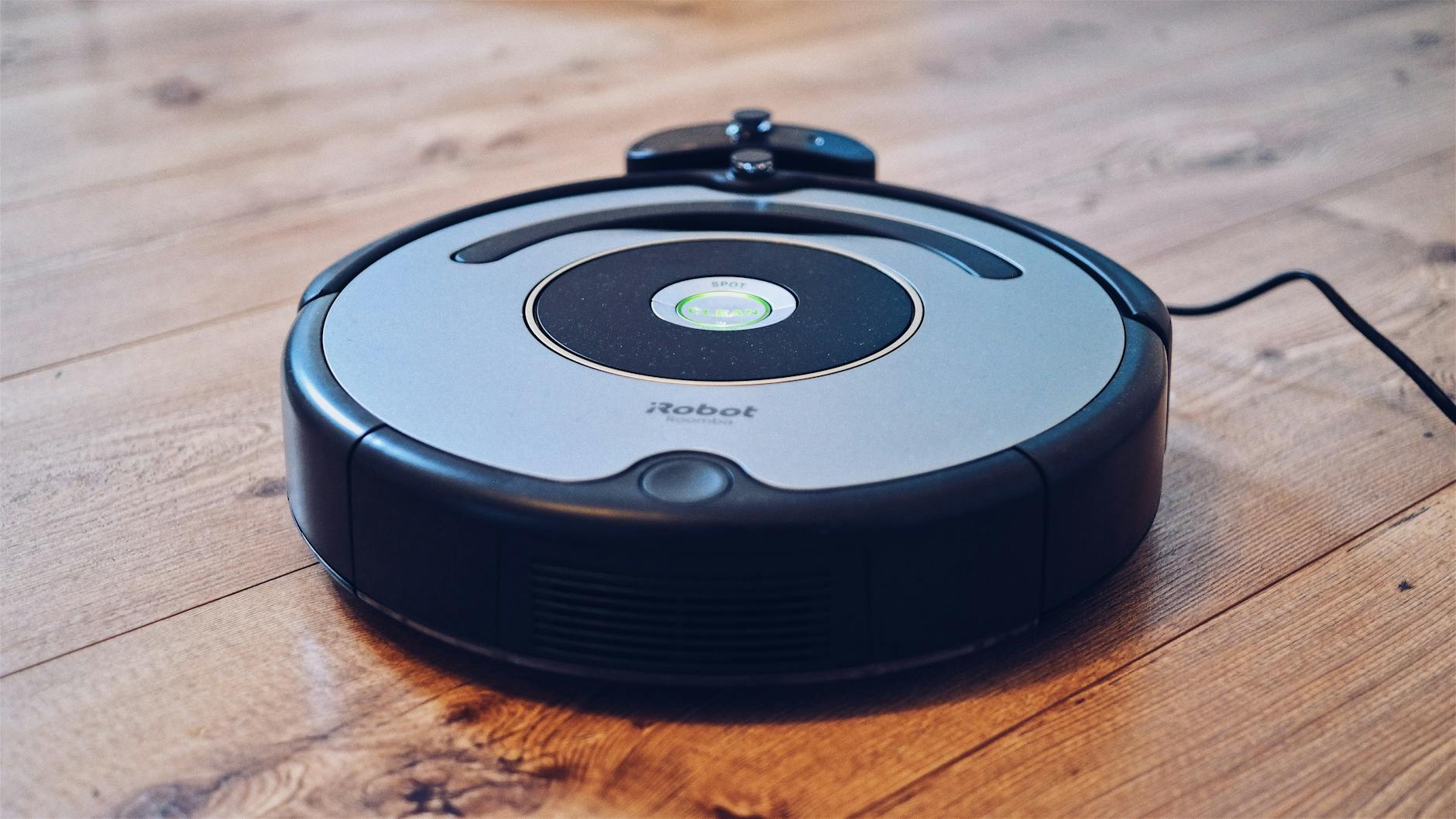
Bruce Kim and Indraneel Patil decided to skip the showroom and build a robot vacuum instead. It has been reported that they aimed to reuse off‑the‑shelf parts, keep the budget under $500 and target a battery life long enough to only charge once a week — the project page claims the total came in under $300 (well, almost). There’s no heavy compute on the chassis: the bot streams camera frames to a laptop, which runs inference and sends back discrete navigation commands. Think Roomba meets a college‑budget research hack.
Learning by imitation (and its limits)
They teleoperated the robot to collect image/action pairs — 600 tuples initially — using a tiny command set (FORWARD, REVERSE, TURN_CW, TURN_CCW, STOP). A simple CNN trained with behavior cloning is the heart of the control loop. Promising behavior did emerge: the team reports the robot learned to back up when it was about to hit something. That felt like a real "yes!" moment. But the wins were mixed. The model often produced false positives (unnecessary reversing), oscillated in tight spaces like the kitchen, and sometimes insisted on STOP even when clear space lay ahead. Pretraining on ImageNet and aggressive data augmentation (grayscale, blur, noise, color jitter, etc.) expanded the dataset to ~30k samples but didn’t make validation loss converge — the authors conclude the problem is not overfitting but a lack of usable signal for some actions (rotation cues in a single frame, for example).
What they learned and what’s next
Their post is refreshingly honest about failure modes: single frames struggle to show free space or rotational needs, STOP can trap the robot, and inconsistent teleoperation injected noise into the training labels. Future work points to adding temporal history (multiple frames), cleaning and expanding the dataset, and removing or rethinking the STOP action. They say the build took about three months plus another month of part‑time tweaks. The project was posted to Hacker News and documented on a project blog; it’s a neat entry in the ongoing DIY robotics trend — cheap sensors, clever data, and a lot of iteration.
Is a camera‑only approach practical for a home vacuum? Maybe for basic obstacle avoidance. For robust, goal‑directed navigation? Not yet. But the project is a useful reality check: clever software can stretch cheap hardware far — until the data runs out.
Sources: indraneelpatil.github.io, Hacker News
Comments